When the Music Stops Being Background Noise
There's a moment in every Cumbia dancer's journey where something clicks. You stop counting beats. You stop thinking about which foot goes where. The music stops being background noise and starts pulling you somewhere. That's when you know you're ready for the next level.
I remember the first time I felt it — mid-song at a friend's party, I wasn't thinking about steps anymore. My body just responded. That shift from mechanical to instinctive is exactly where intermediate Cumbia begins.
Get Your Ears Dirty First
Before you add a single new step, spend serious time with the music. And I don't mean passive listening while scrolling your phone. Put on classic Cumbia tracks — Celso Piña, Grupo Niche, Los Ángeles Azules — and find the clave. That rhythmic heartbeat underneath everything else.
Try this: close your eyes, tap the clave pattern on your thigh, and hold it for a full song without losing it. Sounds simple. It's not. Once you can lock into that pattern without thinking, your body becomes an instrument rather than a follower.
Footwork That Actually Impresses
Here's the thing about intermediate Cumbia footwork — it's not about doing more. It's about doing it with intention.
Cross-steps, pivots, quick weight shifts — these are your building blocks. But clean execution beats complexity every single time. I've seen dancers throw in flashy moves that look sloppy, and I've watched someone do basic steps with such precision that the whole room stopped to look.
Work on speed gradually. A fast step that makes you wobble isn't a fast step. It's a stumble. Start slow, nail the mechanics, then push the tempo.
Your Body, Your Rules
This is where Cumbia gets personal. Maybe you add a shoulder roll on the downbeat. Maybe you pause dramatically before a turn. Maybe your arms do something nobody else's do.
There's no "correct" style — there's only authentic movement. Watch different Cumbia dancers on YouTube. You'll notice each one has signature touches that make them recognizable without seeing their face. That's what you're building toward.
Experiment with body isolations. Move your ribcage independently from your hips. Add arm accents that complement your footwork rather than mirror it. It feels weird at first. Do it anyway.
The Silent Conversation With Your Partner
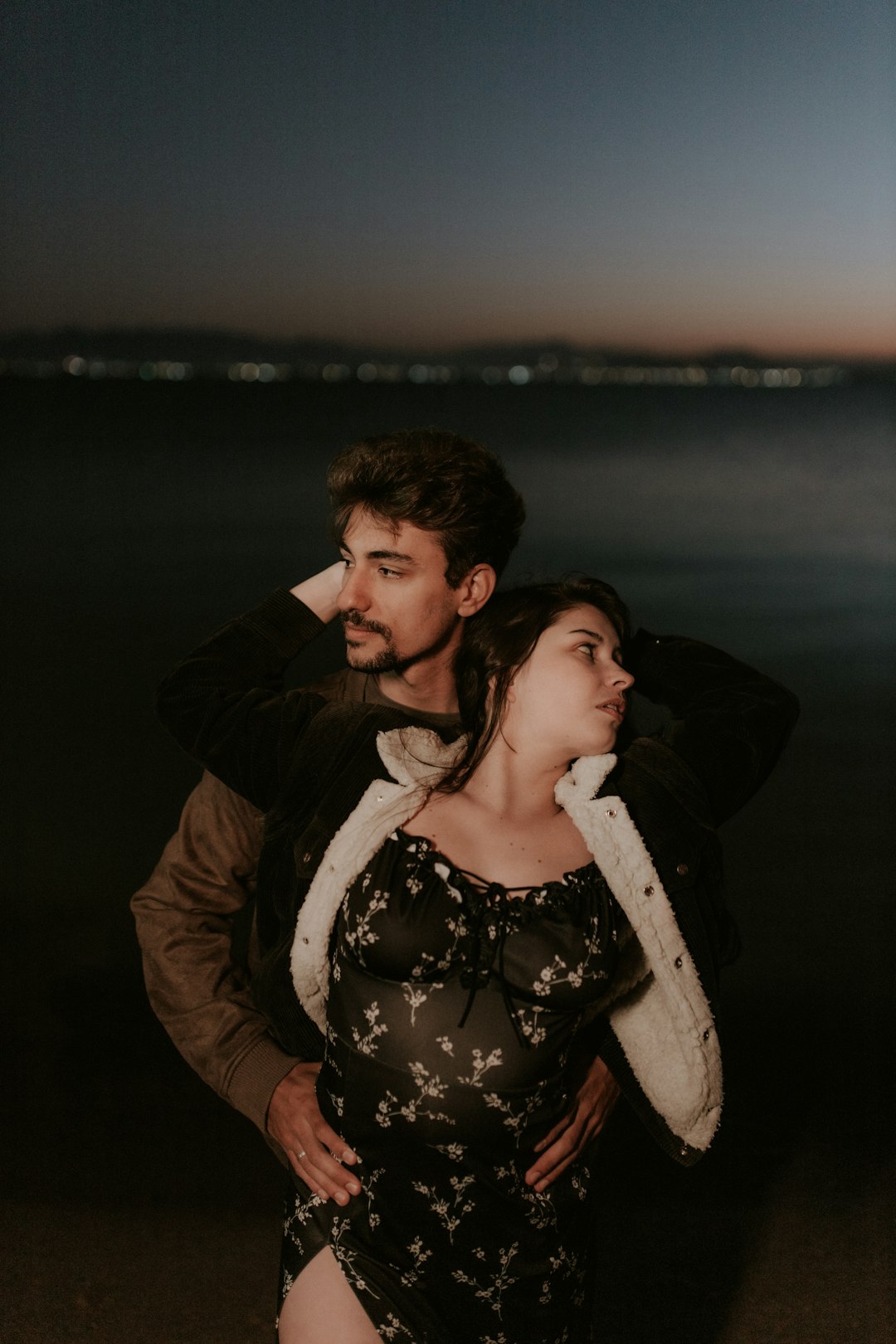
Partner connection at the intermediate level is less about grip strength and more about intention. A slight pressure change in your hand signals a turn. A shift in your center of gravity tells your partner where you're heading.
Practice with someone you trust and try this: dance a whole song using only non-verbal cues. No talking. No stopping to explain. Just dance. You'll be surprised how much you can communicate through weight transfers and subtle tension.
Regional Styles Worth Stealing From
Cumbia isn't one thing. Mexican Cumbia hits different from Argentine Cumbia Villera. Colombian Cumbia has its own flavor entirely. Each region added something unique — different tempos, different instrumentation, different attitude.
Borrow from all of them. Pull a fast footwork pattern from Mexican Cumbia, add the grounded sensuality of Argentine style, keep the traditional arm positioning of Colombian roots. Mixing influences doesn't dilute your dancing. It enriches it.
The Boring Truth About Getting Good
Nobody wants to hear this, but consistent practice is the actual secret. Not heroic two-hour sessions once a week. Fifteen minutes most days beats a marathon session every Sunday.
Record yourself dancing. Watch it back. Cringe a little. Then fix one thing. Repeat forever.
Find a community — workshops, socials, online groups. Feedback from experienced dancers accelerates your growth faster than any tutorial.
---
The dance floor doesn't care about your technique sheets or how many Cumbia variations you've memorized. It cares about what happens when the music starts and you stop overthinking. Get there, and everything else falls into place.