That One Cumbia Night
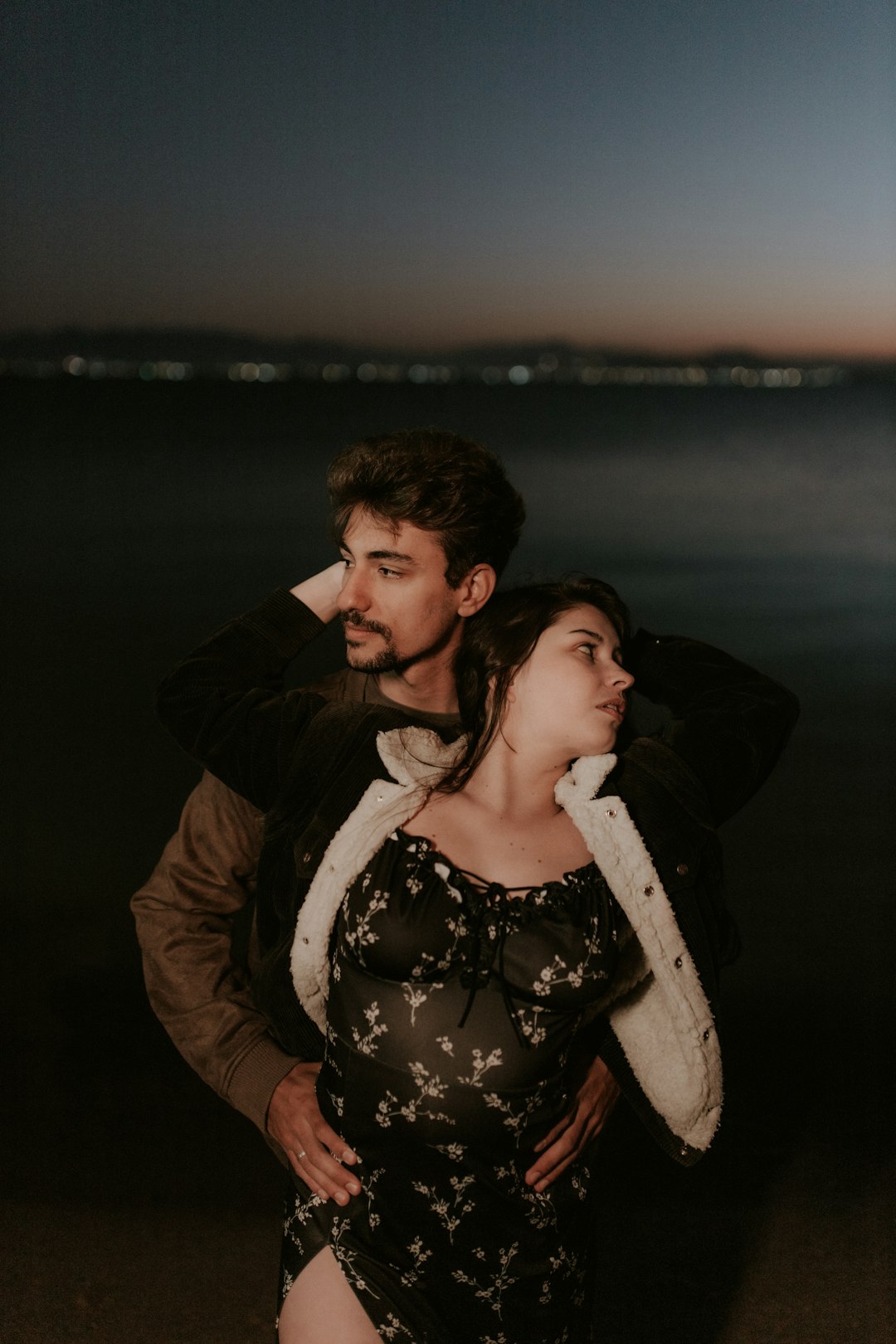
A few months back, I watched a couple at a local Latin night who barely moved their feet. They weren't doing anything flashy — no crazy spins, no dips. Yet everyone stopped to watch them. Their secret? Every single step had intention. Their hips told the story their feet were just supporting.
That's what separates intermediate cumbia dancers from the ones who truly own the floor. Not more moves — better moves.
Refresher: The Foundation You Think You Know
Look, I know you've been doing the basic step for a while now. But here's something most intermediate dancers skip: go back to basics with fresh eyes. That quick-quick-slow rhythm isn't just a pattern — it's a conversation with the music. Your weight should roll through each step like you're walking on warm sand, not stomping on tile. If your upper body looks stiff while your feet are moving, the whole thing falls apart.
Make the Basic Step Yours
This is where personality kicks in. Stop doing the basic step like you're at a dance recital and start doing it like you're at a backyard party with your favorite people. Let your hips exaggerate just a touch. Add a slight lean back on the slow beat. Find the pocket in the music where your body naturally wants to pause — and actually pause there.
The Turn That Actually Turns Heads
Forget the mechanical pivot you learned in your first class. A great cumbia turn starts from your core, not your feet. Step left with your left foot, let your torso lead the rotation, and bring everything around smoothly. Your arms shouldn't just hang there either — let them float out naturally, like you're brushing something off your shoulder mid-turn.
The Backstep Game-Changer
Here's the move that made the biggest difference in my own dancing. Start in your basic step, then drop back with your right foot while keeping your chest forward. It creates this beautiful push-pull energy that partners absolutely love. Think of it like opening a door you're inviting someone through — there's anticipation in that backward motion.
The Cross-Step: Your Secret Weapon
This one's sneaky because it looks complicated but feels natural once it clicks. Left foot out, right foot crosses behind, left foot out again, right foot catches up. The trick? Don't look at your feet. Let your body remember the pattern while your eyes stay connected to your partner or the audience.
Building Your First Real Routine
Stop thinking in isolated moves. A great cumbia routine flows like a sentence — each move connects to the next with purpose. Try this: eight counts of basic, slide into a turn, drop the backstep on the next measure, and surprise them with a cross-step at the chorus. But here's the thing — don't just string moves together. Breathe between them. Let the music tell you when to switch.
Partner Work: Beyond the Hand-Hold
Cumbia isn't a solo sport, and the connection with your partner changes everything. Strong frame doesn't mean rigid arms. It means your hands communicate clearly — a gentle squeeze says "turn coming," a slight push says "backstep now." Great partners don't just follow or lead; they respond to each other like musicians in a jam session.
The Musicality Edge
You can hit every beat perfectly and still look mechanical if you're not listening to the music. Those little guitar flourishes? Let your shoulders respond. That bass line drop? That's your moment for a pause or a dip. The best cumbia dancers don't just dance to the beat — they dance to the melody, the lyrics, the emotion underneath it all.
Show Up, Repeat, Evolve
Nothing replaces floor time. Socials, classes, kitchen practice at 11pm — it all counts. Dance with different partners who push you out of your comfort zone. Record yourself and watch it back (yes, it's uncomfortable, but it works). Your style won't develop from watching tutorials alone. It develops when your body finds shortcuts your brain didn't plan.
The rhythm of cumbia doesn't care about your skill level. It just wants you to move honestly. So stop overthinking that next turn and let the music take over.