When the Roda Gets Serious
There's a moment in every capoeirista's journey when the basics stop being enough. You've got your ginga down. Your esquiva feels natural. You can hold your own in a roda without looking lost. But then you watch someone play — really play — and you realize you're still on the ground floor.
That gap between competent and captivating? It's not magic. It's specific, trainable skills that most people skip because they require patience, discomfort, and a willingness to look foolish for a while.
Reinventing Your Ginga
Everyone learns the same basic ginga pattern early on. The problem is, most people never move past it. Your ginga shouldn't be a placeholder between "real" moves — it should be a weapon on its own.
Try playing with rhythm. Drop low, then snap back up. Throw in a sudden pivot mid-step. The best capoeiristas make their ginga look like a conversation with the music, not a checklist. When your base movement becomes unpredictable, everything built on top of it gets sharper.
Record yourself sometime. You'll notice that your ginga probably looks the same every single time. Fix that.
The Au Isn't Just a Cartwheel
New students treat the au like a gymnastics trick. Advanced players treat it like punctuation. There's a massive difference between someone who can do an au and someone who can deploy one at exactly the right moment with exactly the right variation.
The meia-lua de frente — that sweeping front half-moon — turns a simple cartwheel into an attack that covers serious ground. The au de frente adds a kick element that catches opponents off guard. Both demand rock-solid core control and the kind of spatial awareness you only develop through hundreds of reps.
Start slow. Sloppy aus look worse than no aus at all.
Chaining Moves Together
Here's where things get fun. A single acrobatic move is impressive. A sequence of three or four that flow without hesitation? That's art.
Picture this: you launch into an au, drop straight into a rasteira to sweep your opponent's ankle, fold into a negativa as they stumble, and spring back up with a meia-lua. Four moves, one breath, zero pauses. The crowd in the roda loses it.
Building these chains takes time. Your body has to learn the transitions, not just the individual pieces. Practice each link in isolation first, then start connecting them. Speed comes last — smooth comes first.
Pick Up the Berimbau
This one catches people off guard. You're here to learn fighting and acrobatics, and now someone's telling you to play music?
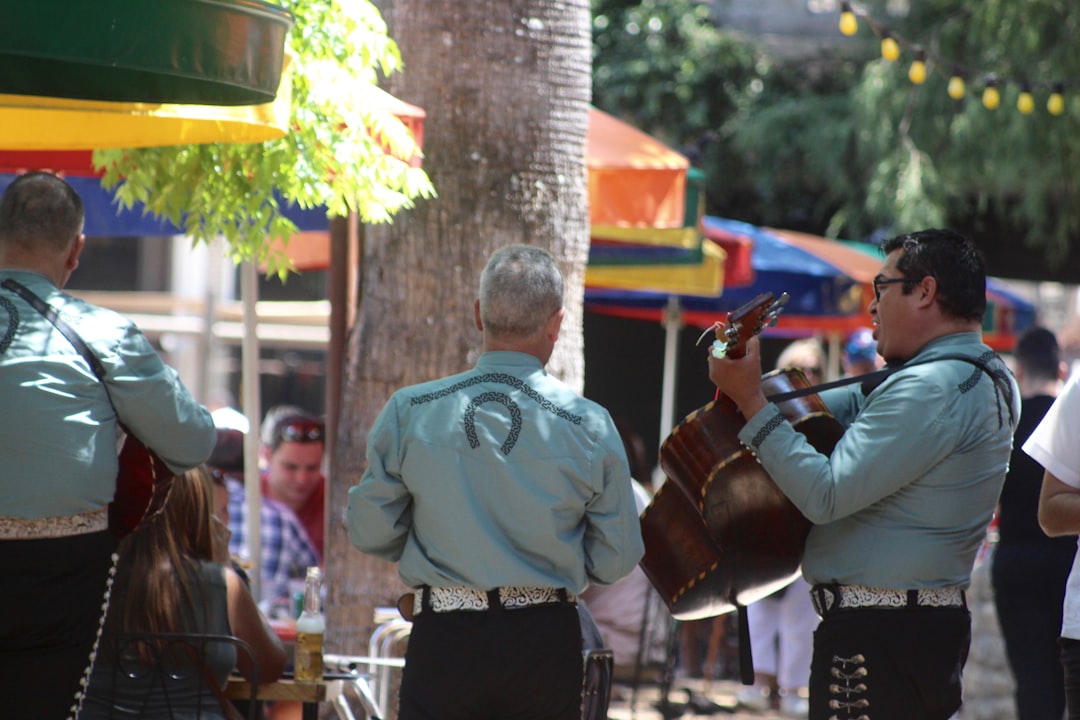
Capoeira doesn't exist without its soundtrack. The berimbau controls the tempo, the style, the mood of the entire roda. If you can't play it — if you've never even tried — you're missing half the conversation. Same goes for the pandeiro and atabaque.
Spending twenty minutes with a berimbau after training will change how you hear the music during games. You'll start feeling rhythm shifts before they happen. That's not something you can learn from footwork alone.
Play Smarter, Not Flashier
The most dangerous capoeirista in any roda isn't always the one doing backflips. Sometimes it's the quiet player who barely seems to move at all.
Reading your opponent is a skill. Watching their shoulders for the split second before they commit to a kick. Noticing they always step left after an esquiva. Baiting them into overextending with a half-fake, then making them pay for it.
This kind of strategic awareness doesn't come from drilling moves alone. It comes from playing with different people, watching rodas when you're not in them, and being honest about which tricks actually work on you.
The Part Nobody Talks About
Getting better at capoeira isn't linear. You'll plateau for months. You'll nail a move one day and completely forget it the next. That's normal.
What separates the people who break through from the people who stall out is simple: they stay curious. They ask questions. They play with people who are way better than them, even though it's humbling. They pick up the berimbau when they'd rather sit down.
The roda doesn't reward perfection. It rewards presence. Show up, stay engaged, and keep pushing into that uncomfortable space where growth actually happens.