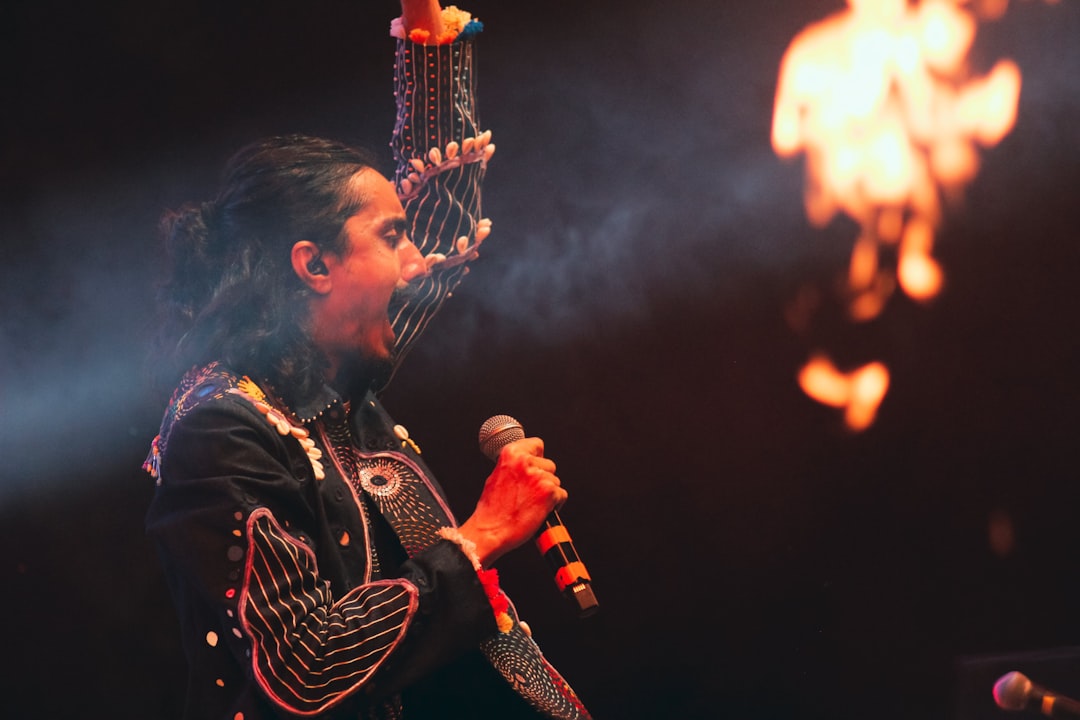
The Moment You Realize You're Just Scratching the Surface
There's a moment in every Capoeirista's journey — usually sometime after you stop tripping over your own feet during a basic rasteira — when you look around the roda and think, "Wait. I'm playing a completely different game than those guys." And you are. The gap between knowing the moves and actually playing Capoeira is wider than most people expect.
So here's what actually matters when you're ready to stop being a beginner and start being someone worth watching.
Your Ginga Needs to Stop Looking Like a Metronome
Everyone learns ginga in their first week. But most people's ginga still looks like a pendulum with a fixed tempo three years later. That's a problem. A real ginga shifts — it breathes. One moment you're slow and grounded, the next you're light and quick. You change direction mid-swing, drop your hips, angle your shoulders differently.
Watch Mestre João Grande move. His ginga isn't a warm-up exercise. It's a conversation. Yours should be too.
Acrobatics Aren't Decorative — They're Tactical
Here's what drives me crazy: people treat macaco and au like they're party tricks. They're not. A well-timed macaco dodges a meia lua de frente and puts you behind your opponent. An au into a queda de rins is a counterattack. Every acrobatic move in Capoeira has a purpose rooted in survival.
Practice them, sure. But practice them in context. Doing a perfect au in isolation means nothing if you can't deploy it mid-game without thinking.
Batizado Isn't Just a Ceremony — It's a Test
When your turn comes in the batizado roda and an experienced player steps in to baptize you, everything you've been drilling gets put on display under pressure. Your kicks need to land clean. Your dodges need to be sharp, not panicked. Your transitions between movements should feel seamless, not like you're remembering what comes next.
The players who shine at batizado are the ones who've practiced their technique until it lives in their muscles, not their heads.
If You Can't Play the Berimbau, You're Missing Half the Art
This one stings for a lot of people, but it's true. Capoeira doesn't exist without its music. The berimbau controls the roda — its rhythm dictates the speed, the style, the energy. If you don't understand what the toque is telling the players, you're essentially deaf to the conversation happening right in front of you.
Learn the pandeiro. Learn the atabaque. Sing the corridos. Not because someone told you to, but because the day you feel the music change your game, you'll wonder why you waited so long.
The Roda Rewards the Observant, Not the Strong
I've seen athletic players get schooled by someone half their size because they couldn't read the game. Strategy in the roda is about perception. Where is your opponent's weight? Are they committing to that kick or baiting you? What does their ginga tell you about their next move?
You develop this by playing with everyone — tall, short, fast, tricky, aggressive, passive. Every opponent teaches you something, but only if you're paying attention.
Know Where This Came From
Capoeira was born from enslaved Africans in Brazil who turned resistance into art, survival into dance, oppression into something beautiful. That history isn't optional knowledge. It's the foundation.
When you understand why the roda is a circle, why the music matters, why deception and cleverness are celebrated over brute force — your practice transforms. You stop doing movements and start carrying something forward.
That's the difference between someone who knows Capoeira and someone who lives it.