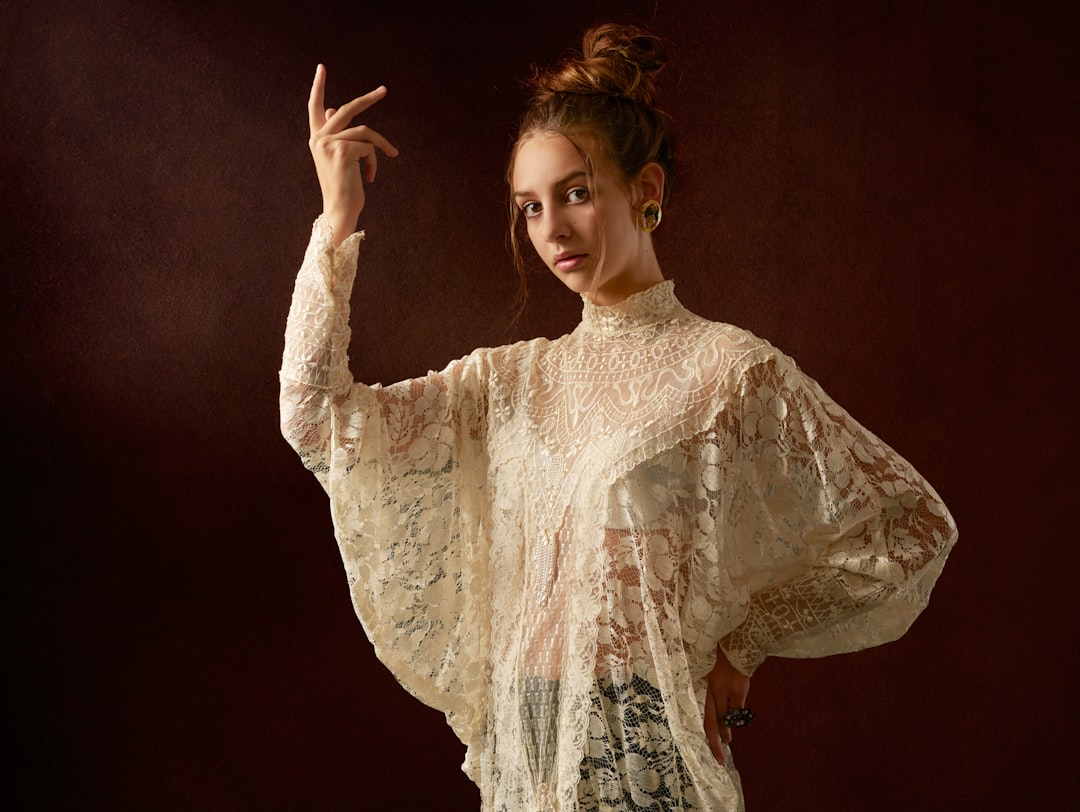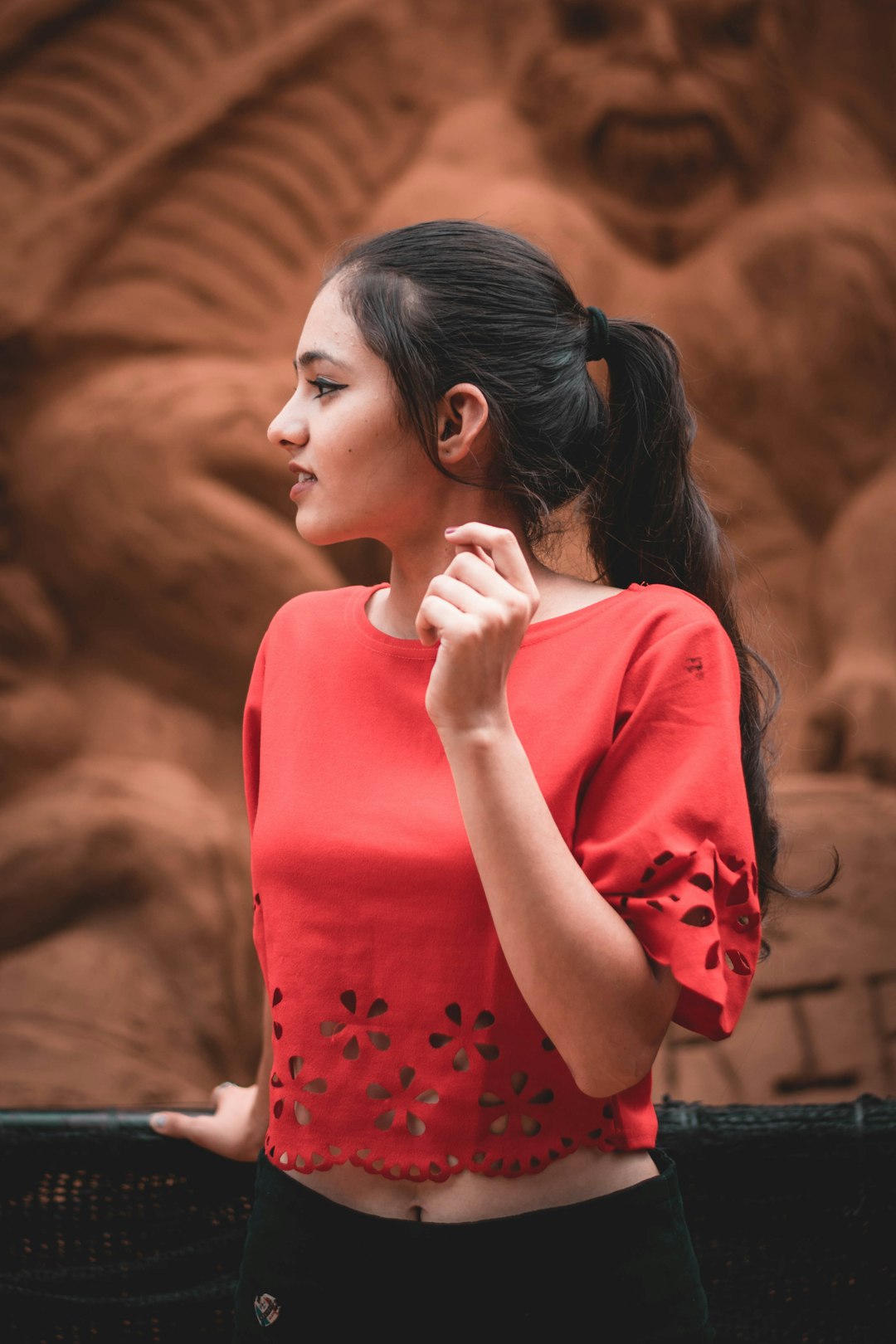
So you've signed up for your first Lindy Hop class, or maybe you're heading to your first social dance. You know the steps—sort of—but what should you wear? The right outfit can help you move freely, stay cool, and feel confident enough to ask strangers to dance. This guide covers everything you need to know about dressing for Lindy Hop, from the shoes on your feet to the cultural spirit behind the style.
Where Lindy Hop Fashion Comes From
Lindy Hop was born in late-1920s Harlem and flourished through the 1930s and 1940s at ballrooms like the Savoy. The clothing dancers wore wasn't a costume—it was the everyday elegance and nightlife fashion of working-class and middle-class Black Americans, evolving as the dance itself grew. Think sharp suits, tailored dresses, and polished street clothes rather than the beaded flapper dresses of 1920s Gatsby-themed parties (which peaked earlier and in different social circles).
As you build your dance wardrobe, it helps to understand this distinction. Dressing for Lindy Hop today means drawing inspiration from this living history while prioritizing the practical needs of a sweaty, fast-paced partner dance.
Footwear: The Foundation of Every Dance
Your shoes matter more than anything else in your outfit. The wrong pair can stick to the floor, strain your knees, or send you sliding into another dancer.
What to look for:
- Suede or leather soles: Suede-bottomed shoes offer controlled glide and are the gold standard for most dancers. Hard leather soles work well on stickier floors. Avoid rubber-soled street shoes, which grip too much and can torque your joints.
- Low, stable heels: Many dancers prefer flat shoes or heels under 1.5 inches. Followers often start with a small, wide heel; leaders typically go flat.
- Secure fit: Your foot shouldn't slide around, but your toes need room to spread. Laces, buckles, or snug slip-ons all work.
Popular options for beginners: Aris Allen reproduction dance shoes, Remix Vintage Shoes, Slide & Swing, or T-strap and oxford styles from mainstream brands with a cobbler-added suede sole. Break in new shoes at home before wearing them to a dance.
Building Your Outfit: Fit, Fabric, and Function
Lindy Hop is athletic. You'll spin, kick, bend, and possibly sweat through your shirt within twenty minutes. Every garment should pass three tests: Can I raise my arms? Can I turn without getting tangled? Will I overheat?
Fabrics that work
Natural fibers breathe best. Look for cotton, linen, rayon, or lightweight wool blends. Avoid stiff polyester, heavy denim, or anything that doesn't wick moisture.
Fit and movement
- Tops: Choose shirts or blouses that stay tucked or fitted through the torso so they don't ride up during turns. Sleeveless or short-sleeved options prevent overheating.
- Bottoms: Pants, skirts, and shorts should allow a full range of leg movement. High-waisted trousers, wide-leg pants, and A-line or circle skirts are perennial favorites. If you wear a skirt, consider bike shorts or dance briefs underneath for coverage during spins.
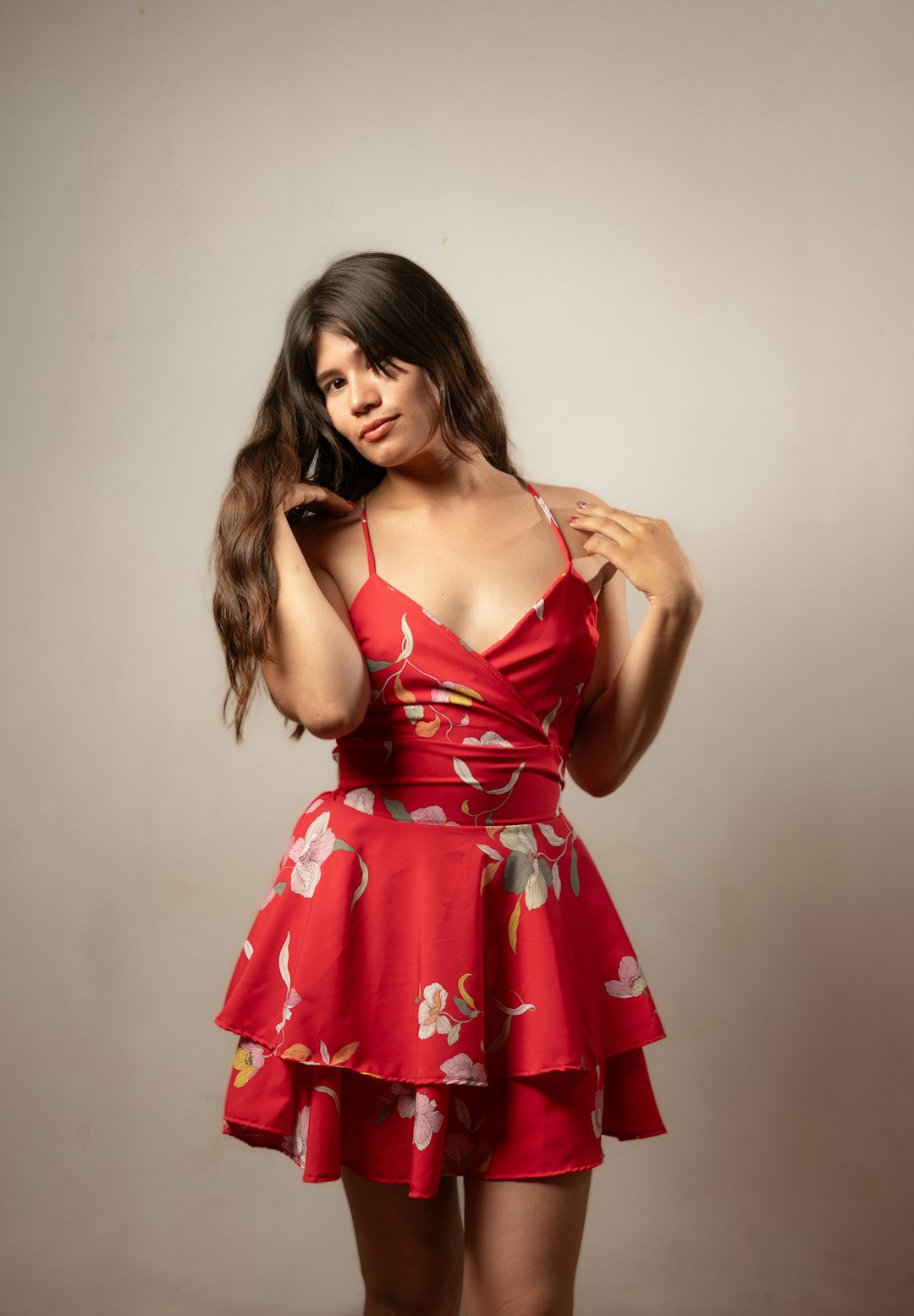
- Dresses: Fit-and-flare or wrap dresses work beautifully. Avoid anything too tight through the shoulders or too short to bend in comfortably.
Styling Approaches: Find What Feels Like You
Rather than boxing yourself into "men's" or "women's" looks, think about silhouettes and aesthetics that match your personality. All of these approaches are open to all dancers.
Classic tailored looks
Crisp button-up shirts, high-waisted trousers, vests, and suspenders evoke the sharp-dressed dancers of the Savoy Ballroom. A well-fitted suit in a breathable fabric is perfect for formal exchanges or ball nights. Add a pocket square, tie, or hat if the mood strikes.
Flowing and feminine silhouettes
Circle skirts, fit-and-flare dresses, blouses with draped necklines, and soft tailoring capture the romantic side of swing-era fashion. Look for details like gathers, pleats, or novelty prints that move beautifully when you spin.
Androgynous and practical styles
Some dancers prefer a clean, unfussy look: plain tees, tailored trousers, jumpsuits, or simple button-ups with minimal accessories. This approach prioritizes function and comfort without sacrificing polish.
Accessories, Hair, and Finishing Touches
Accessories can elevate your look, but they should survive vigorous movement.
- Headbands, scarves, and hair flowers: Secure them with bobby pins or clips so they don't fly off during a swingout.
- Hats: Fedoras, pork pies, and newsboy caps look sharp but can be tricky in close embrace. Many dancers