Whether you're stepping onto the social dance floor for the first time or preparing for your first competition, what you wear shapes how you move and feel. Lindy Hop—a dance born in the ballrooms of Harlem during the late 1920s and 1930s—demands clothing that honors its exuberant history without sacrificing the freedom to swing out, kick, and partner with abandon.
Why Lindy Hop Fashion Looks the Way It Does
The dance emerged alongside the Harlem Renaissance, a period when Black American culture flourished and self-expression took center stage. On the dance floor, that meant leaving behind the rigid, restrictive silhouettes of the Edwardian era in favor of clothing that moved. For women, hemlines rose and skirts flared, allowing for the dance's signature twists and kicks. For men, the zoot suit—with its wide lapels, draped trousers, and bold attitude—became an emblem of swing culture. Understanding this context helps modern dancers choose outfits that channel the same spirit of creativity, confidence, and physical freedom.
Key Elements of Any Lindy Hop Outfit
Footwear: Your Most Important Investment
Shoes can make or break your night. Look for footwear that offers support, flexibility, and a smooth sole that won't grip the floor too aggressively.
- Sole materials: Leather or suede soles allow you to pivot and slide with control. Rubber soles tend to stick, which strains your knees and ankles.
- Popular styles: Canvas sneakers (think classic Keds), leather character shoes, vintage reproductions like Aris Allens, and low-profile dance sneakers all have devoted followings.
- Break-in period: Never wear brand-new shoes to a long dance event. Break them in at home or during practice to avoid blisters.
- Venue etiquette: Many dance halls prohibit outdoor street shoes to protect their floors. Pack a dedicated pair and change on arrival.
Fabrics That Work as Hard as You Do
Lindy Hop is a high-energy, full-body workout. Choose breathable, moisture-wicking fabrics that keep you comfortable through multiple songs.
- Cotton and linen: Naturally breathable and widely available in vintage-inspired cuts.
- Rayon and viscose: Drape beautifully and evoke 1930s–40s elegance, though some blends wrinkle easily.
- Performance blends: Modern moisture-wicking fabrics can be lifesavers at marathon events or in humid venues.
Avoid stiff or restrictive materials like heavy denim, structured leather, or anything without stretch that limits your range of motion.
Building Your Look: Aesthetic Categories
Rather than prescribing outfits by gender, think in terms of how you want to look and feel on the floor. Mix and match across these categories to build a style that's authentically yours.
Classic Tailored Looks
Crisp button-up shirts, high-waisted trousers, vests, and structured jackets create a polished, period-evocative silhouette. Rolled sleeves keep you cool and prevent cuffs from catching on your partner. Tailored pieces work beautifully for performances, competitions, or social dancers who prefer a refined aesthetic.
Flowing Silhouettes
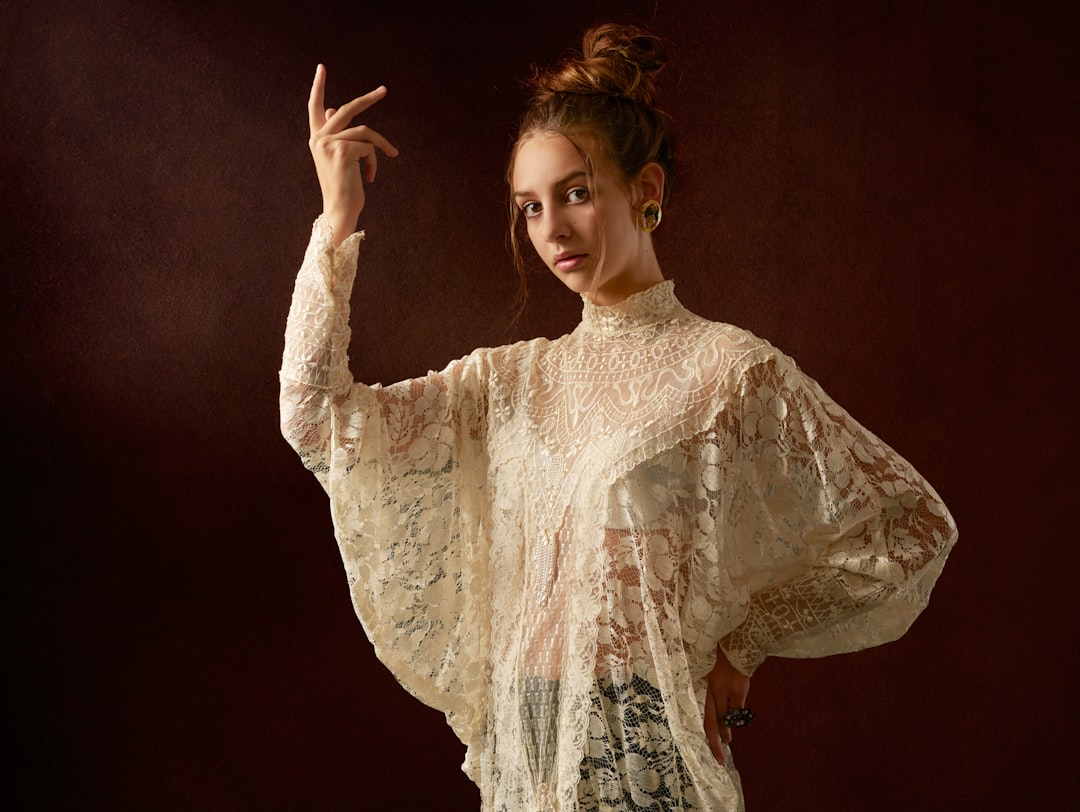
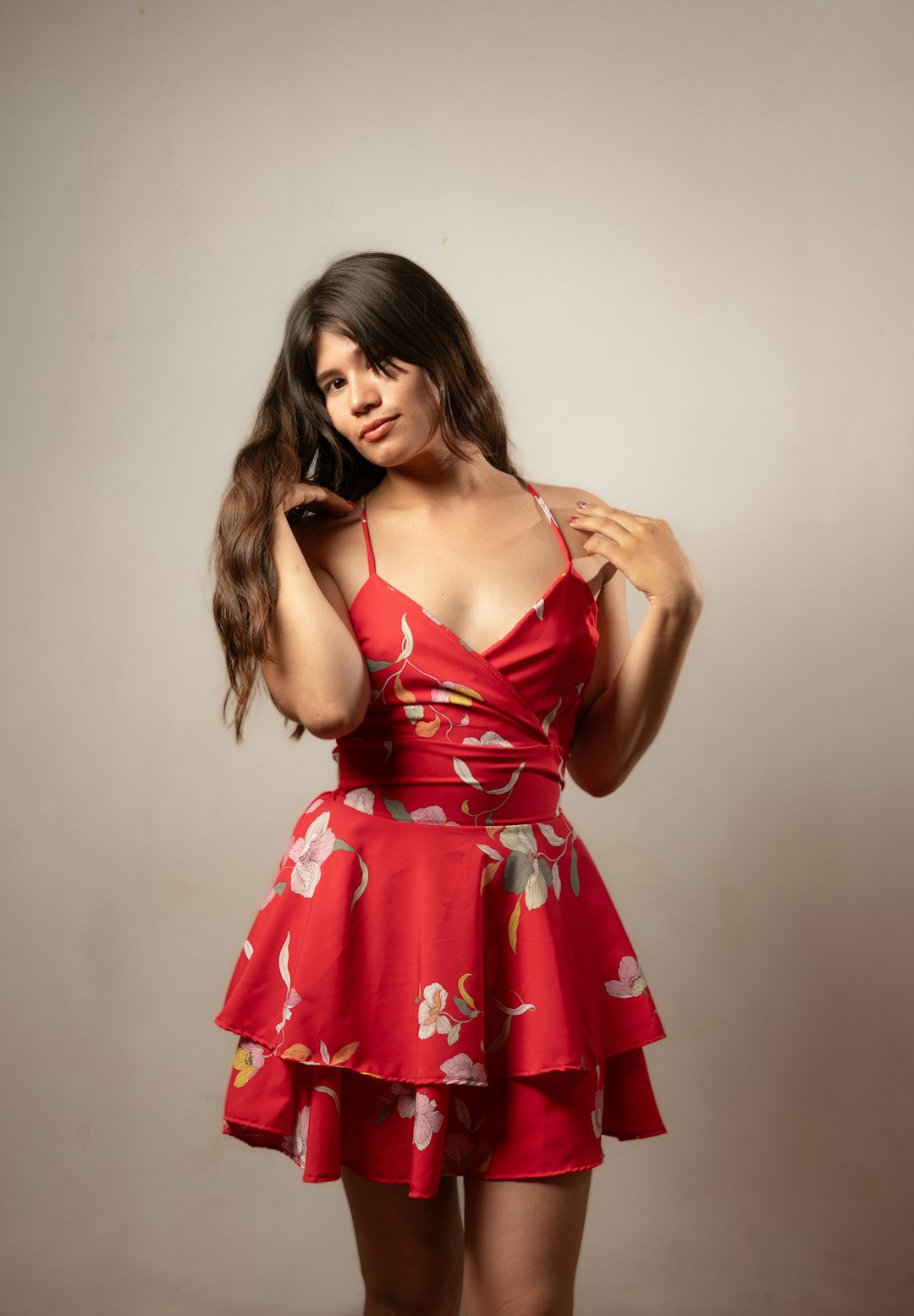
Flared skirts, wide-leg pants, draped blouses, and fit-and-flare dresses emphasize movement and respond dynamically to momentum. If you love watching your outfit swing with you, this category is your friend. Look for secure waistbands and closures—nothing kills a dance like adjusting a slipping skirt mid-song.
Mix and Match
The best Lindy Hop style is personal. Combine a structured vest with wide-leg trousers, or a flowing skirt with a crisp oxford shirt. The dance itself has always been about improvisation and individuality; your outfit should reflect that same spirit.
Accessorizing with Intention
The right accessory completes a look. The wrong one becomes a hazard.
- Headwear: Fedoras, newsboy caps, and headscarves add vintage flair and keep hair in place. Just ensure they fit securely—chasing a hat across the floor is not the kind of performance most dancers want.
- Earrings and jewelry: Small, vintage-inspired studs or clips are ideal. Avoid long, dangling necklaces or earrings that can snag on clothing or partners' hands during close turns.
- Belts and waist accents: A well-chosen belt can anchor a flowing silhouette and add visual polish.
What to Avoid
A few common mistakes can turn a great night into an uncomfortable one:
- Dangling or sharp jewelry: Safety hazards for you and your partners.
- Rubber-soled street shoes: Bad for your joints and often banned from dance floors.
- Overly restrictive fabrics or fits: If you can't raise your arms overhead or kick comfortably, reconsider.
- Insecure closures: Weak zippers, slippery waistbands, or delicate fasteners that may fail mid-dance.
- **Heavy layers