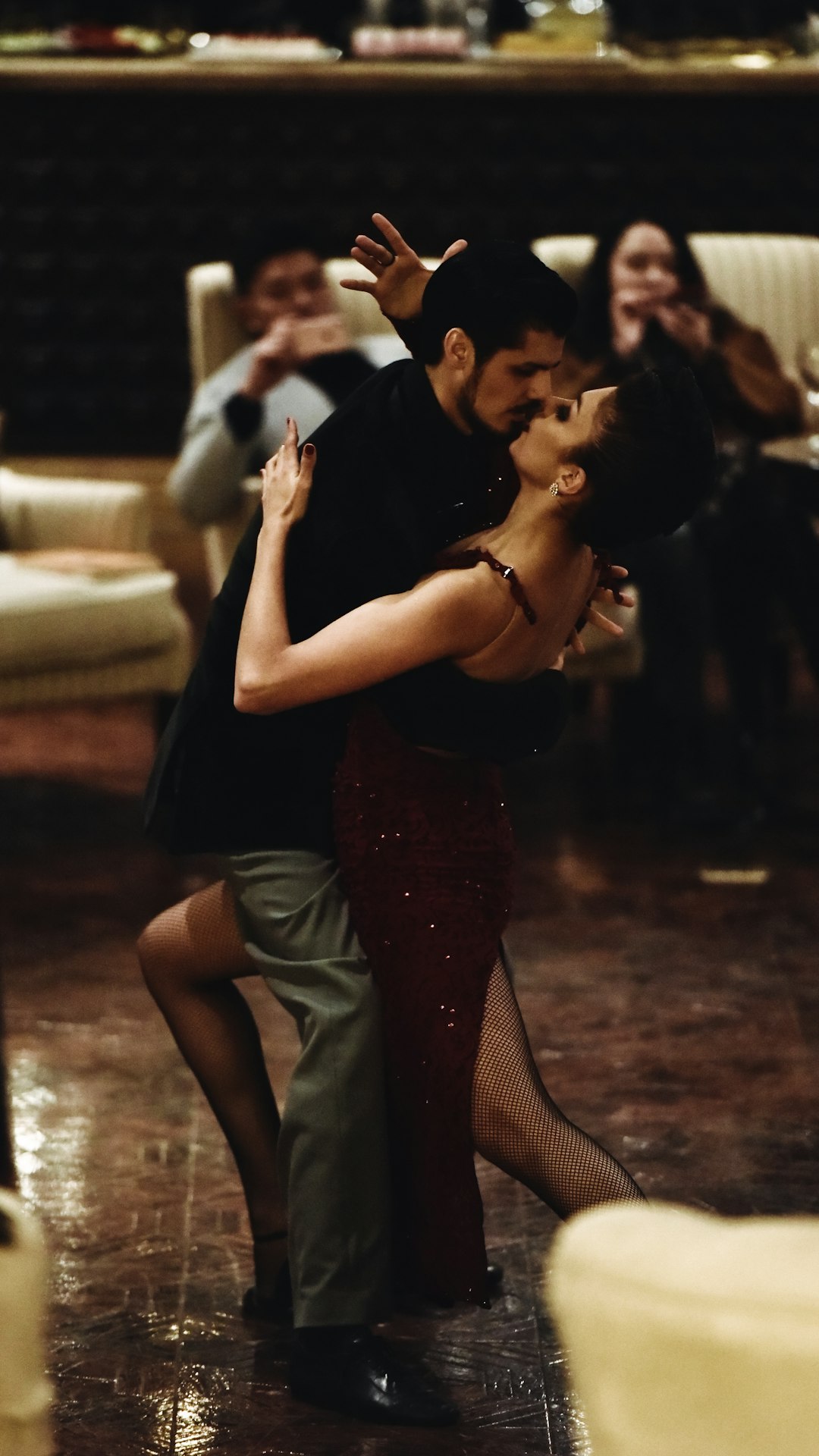
Lyrical dance emerged in the 1970s as studios sought to bridge the gap between ballet's rigid precision and jazz's theatrical flair. The result was a hybrid form that prioritizes continuous movement and emotional narrative over technical display—though the technique remains demanding. Understanding what distinguishes this style requires looking past its surface sentimentality to its structural innovations.
The Architecture of Emotion
Unlike ballet's vertical alignment or hip-hop's rhythmic isolation, lyrical dance operates through opposition and release. Dancers train to maintain turnout while allowing the spine to curve and spiral. They execute controlled falls—dropping body weight deliberately—then recover through sweeping, circular pathways. This physical risk demands complete commitment; a tentative plié or held breath breaks the illusion.
Consider the iconic 2008 So You Think You Can Dance routine "Gravity," choreographed by Sonya Tayeh. The piece built grief from sustained développés and collapsing torsos, movements that referenced ballet vocabulary while rejecting its uplift. Viewers later reported the three-minute work affected them more than some full-length narrative ballets. What made it land? Tayeh exploited lyrical dance's core tension: technique made invisible, emotion made visible.
Why It Connects: The Pedestine Quality
Lyrical dance invites identification through its grounded physicality. Where ballet elevates, lyrical sinks. Pliés bend deeply. Weight shifts through the feet with audible intention. The upper body releases, shoulders rolling forward in postures recognizable from daily life—slumped exhaustion, protective crossing of arms, the reaching gesture of unanswered longing.
This accessibility is strategic. Choreographers like Travis Wall and Mandy Moore have built careers on manipulating that recognition, taking familiar physical habits and extending them beyond their everyday limits. A head dropped in disappointment becomes a full torso spiral. A step backward in hesitation travels across the entire stage. The audience sees themselves, then sees themselves transformed.
Three Engines of Practice
Dancers pursue lyrical training for distinct reasons, each shaping how they inhabit the form:
Technical expansion. Ballet dancers often cross-train in lyrical to develop torso articulation—the ability to initiate movement from the pelvis, chest, or head independently. This capacity, underdeveloped in classical training, prevents the "frozen upper body" that limits expressive range.
Narrative control. Unlike improvisation-heavy contemporary work, lyrical choreography typically follows the music's lyrical content closely. Dancers learn to match physical texture to vocal quality—sharp accents for staccato lyrics, melting transitions for sustained notes. This skill transfers directly to musical theater and commercial work.
Emotional processing. The form's explicit demand for vulnerability attracts dancers seeking structured catharsis. The studio becomes a laboratory where personal experience is distilled into repeatable, communicable movement. This differs from pure self-expression; the choreography must read clearly to strangers, requiring translation of private feeling into public gesture.
The Criticism and the Defense
Lyrical dance faces predictable critiques: excessive sentimentality, formulaic choreography, overuse of certain songs (Adele, Sia, and any piano cover of a pop hit). These complaints often target competition culture, where emotional intensity can become competitive strategy rather than authentic response.
The defense lies in the form's technical specificity. True lyrical work requires seamless transitions between parallel and turned-out positions, complex floor patterns executed with sustained breath control, and the ability to maintain line while moving through space. The tears are optional. The control is mandatory.
Finding Your Entry Point
For newcomers, lyrical offers lower barriers than ballet without sacrificing structure. Most studios accept students with one year of any dance background; the form adapts to various technical foundations. What matters more than prior training is willingness to move with exposed intention—to risk appearing foolish in pursuit of genuine communication.
The transformation promised in lyrical marketing materials isn't automatic. It arrives through repetition, through the accumulation of hours spent falling and recovering, reaching and retracting, until the body learns to think in curves rather than angles. The passion isn't unbridled. It's disciplined into visibility.










