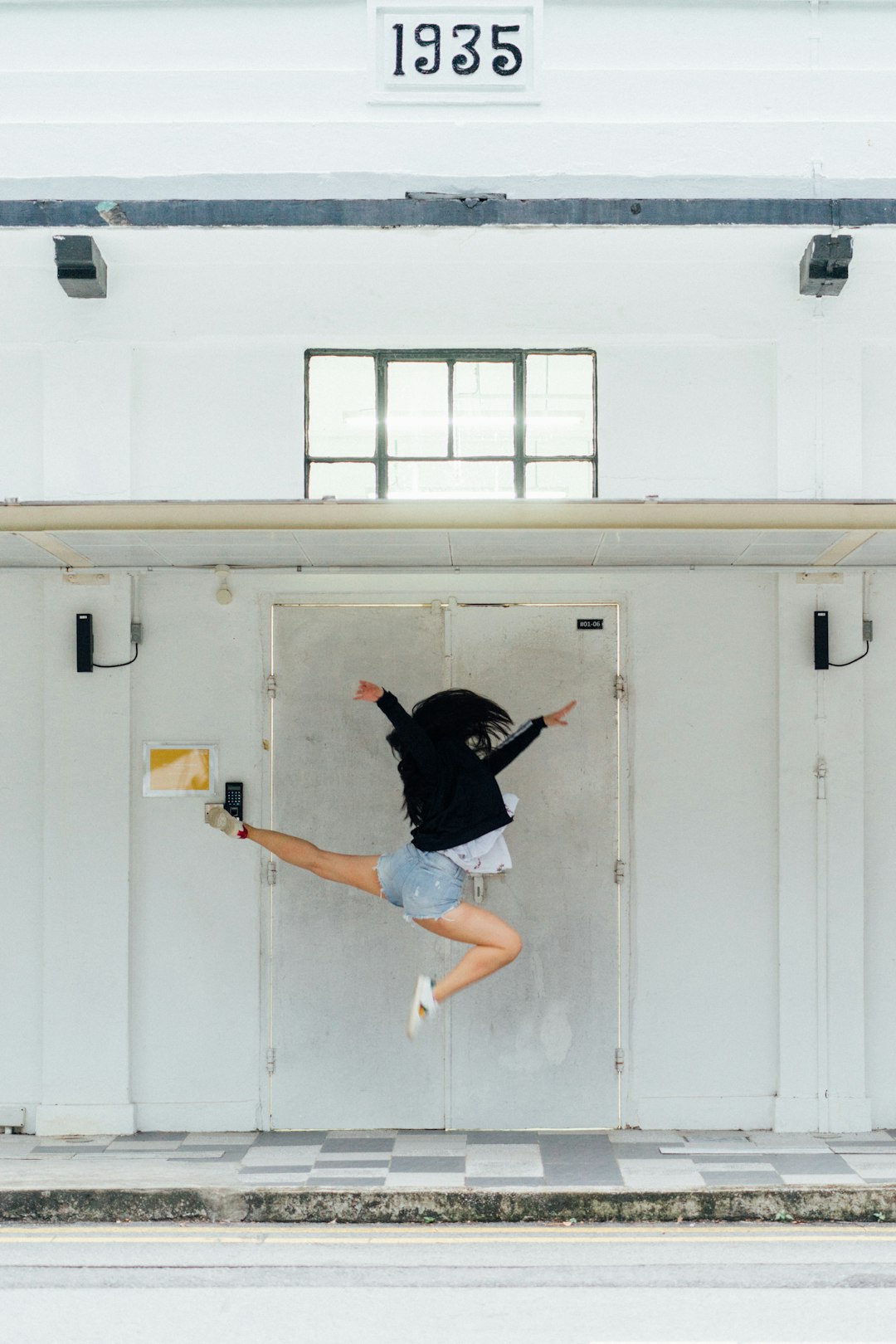
You watch the dancer on stage—every movement seems to breathe with the music, arms unfolding like a question, body folding into the floor like an answer. The song's lyrics aren't just heard; they're visible, etched in muscle and motion. You want to move like that. But where do you begin when you've never taken a formal class?
Lyrical dance welcomes beginners more generously than its technical reputation suggests. While the style demands emotional honesty and physical control, you don't need years of ballet training to start. What you need is curiosity, a willingness to move with intention, and guidance that meets you where you are.
What Makes Lyrical Dance Different
Lyrical dance sits at the intersection of ballet's precision, jazz's dynamics, and contemporary's freedom. Yet calling it a "fusion" undersells its distinct identity. The defining characteristic is right in the name: lyrical dancers build their movement directly from the song's lyrics, vocal phrasing, and emotional arc.
Unlike contemporary dance, which often explores abstract or experimental territory, lyrical dance remains stubbornly narrative. Where a ballet dancer might hold an arabesque with crystalline stillness, a lyrical dancer extends through the position, letting the music's crescendo carry the leg higher, the torso further, the gaze more urgently toward some unseen horizon. Every gesture answers the question: What does this lyric feel like in the body?
This responsiveness creates performances that read as deeply personal—even when choreographed for twenty dancers moving in unison. The style rewards vulnerability. Technical execution matters, but emotional authenticity matters more.
What to Wear and Bring
Your first class shouldn't require a shopping spree. Start simple:
- Footwear: Bare feet work perfectly for most studio floors. If you prefer coverage, purchase canvas lyrical shoes (split-sole, flesh-toned) rather than ballet slippers, which grip too aggressively for lyrical's sliding transitions. Never wear socks on marley floors—they're slicker than they appear, and your first class shouldn't include an unplanned floor meeting.
- Clothing: Form-fitting layers serve you best. Instructors need to see your alignment, especially spinal position and hip placement. Leggings or fitted shorts with a close-cut top work well. Bring a long-sleeve layer for the beginning and end of class; lyrical's sustained, slow movements don't generate the sweat that fast jazz combinations do, and cold muscles injure easily.
- Water and a small towel: Lyrical classes include intense core engagement and floorwork that will surprise you.
- A notebook: Choreography accumulates quickly, and lyrical phrases often depend on specific musical cues you'll want to remember.
Finding Your First Class
Not all "beginner" labels mean the same thing. Studios vary enormously in their expectations, so read descriptions carefully:
- Look for: "Lyrical I," "Beginning Lyrical/Contemporary," or "Adult Beginner Lyrical." These classes typically assume no prior training but move slowly enough to build vocabulary.
- Avoid: Classes labeled "Adv-Beg" or workshops promising to teach "this week's trending lyrical combo." These assume foundational technique you haven't built yet.
- Ask before registering: "What prior experience do students need?" Quality studios will welcome honest beginners if you demonstrate musicality and commitment.
Many community centers and university extension programs offer lower-pressure entry points than competitive studios. Online platforms like STEEZY and CLI Studios provide solid beginner lyrical content if in-person options feel intimidating initially—though you'll eventually need mirror feedback and instructor correction.
Helpful Prerequisites (But Not Required)
Ballet training accelerates lyrical progress significantly. The vocabulary overlaps—pliés, tendus, dégagés, pirouette preparations—and ballet's emphasis on alignment protects your body during lyrical's more extreme extensions. If your schedule permits, a concurrent beginning ballet class builds useful infrastructure.
However, you can start lyrical first. Seek studios with "true beginner" programs that teach technique within lyrical context rather than assuming prior training. These classes move more slowly through choreography, spending longer on movement quality and musical interpretation.
If you're starting from absolute zero, spend two weeks on these fundamentals at home:
- Ankle strengthening: Relevés (rising to the balls of your feet) in parallel and turned-out positions, 2 sets of 10 daily. Lyrical demands sustained balances and controlled descents.
- Spinal articulation: Cat-cow stretches, then rolling down through the spine vertebra by vertebra, rebuilding upright. Lyrical dancers need to distinguish between "rounded," "neutral," and "extended" spine positions.
- Musicality practice: Listen to your favorite lyrical songs (Adele, Sam Smith, Labrinth, and Florence + The Machine dominate class playlists) and mark time with simple arm movements—no technique, just finding the downbeat