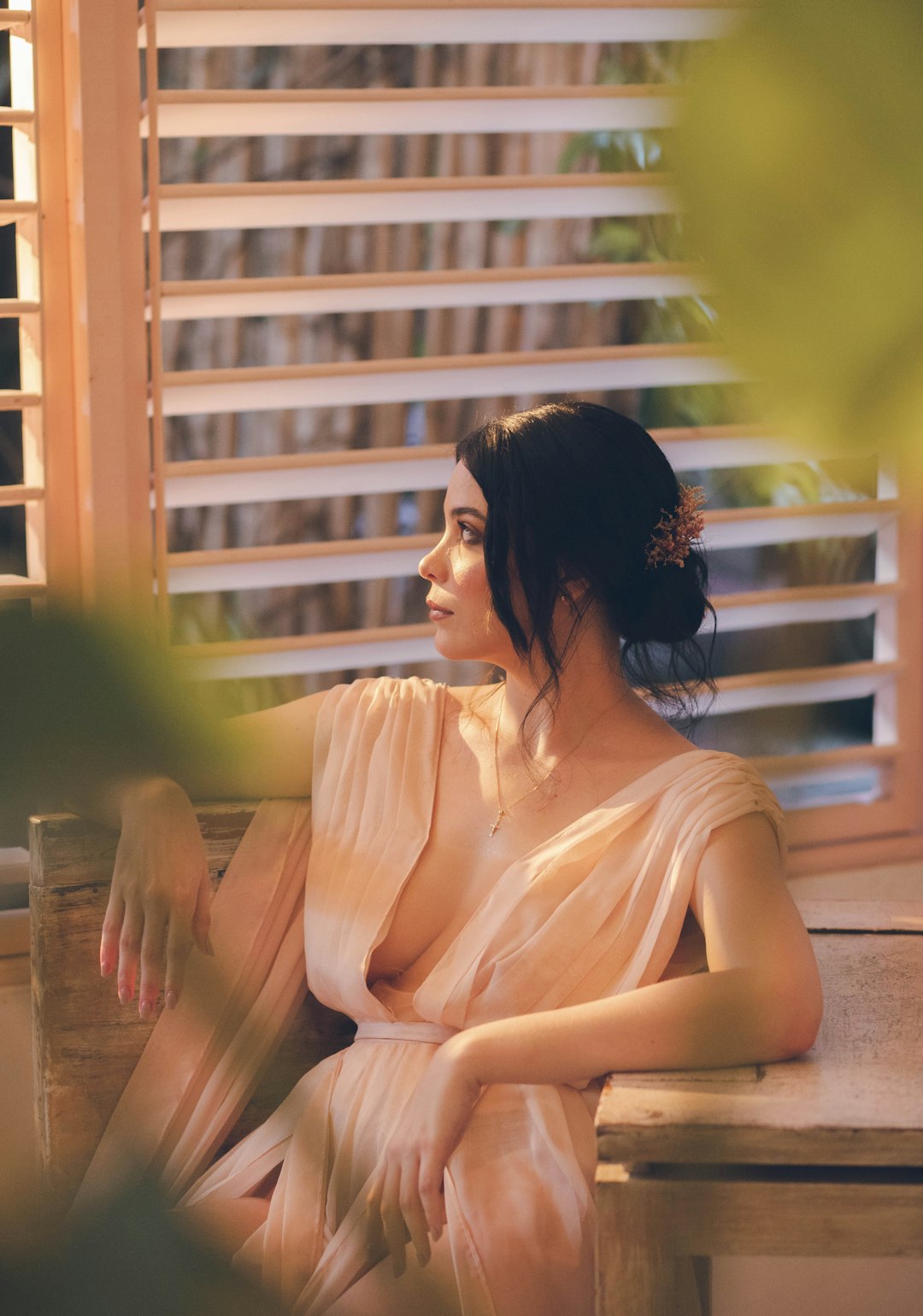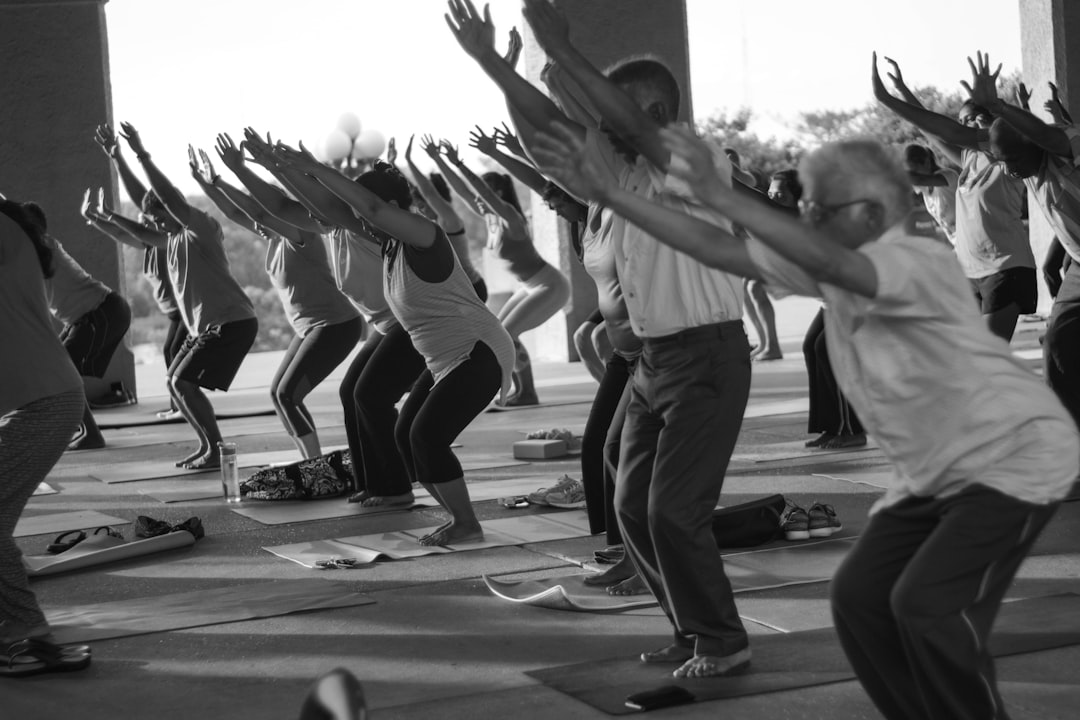
The first time I saw lyrical dance, a dancer seemed to melt into a piano ballad—her body becoming the crescendo, her exhale matching the final note. That's the alchemy of lyrical: technique serving emotion, not the other way around.
If you've ever watched So You Think You Can Dance and felt something catch in your throat, or found yourself moving through your kitchen to a song that understands you, you've already experienced what draws people to this style. Lyrical dance fuses ballet's precision, jazz's dynamics, and modern dance's freedom into something that looks like feeling made visible.
Here's what nobody tells beginners: you don't need years of pointed toes and French terminology to start.
What You Actually Need (And What You Don't)
Myth-busting first. Many lyrical beginners come from gymnastics, theater, or no formal training at all. You don't need perfect flexibility, a dancer's body, or childhood ballet classes. What you do need: willingness to feel slightly ridiculous and a playlist that moves you.
The practical basics:
- Footwear: Bare feet work beautifully, or grab canvas ballet flats/jazz shoes with split soles for floor work
- Clothing: Form-fitting lets you see your lines; flowing fabrics catch the air. Leotard and leggings, or a soft dance dress—whatever makes you want to move
- Space: A studio with mirrors helps, but your living room with a chair-back as a barre works for starting out
Finding Your First Class (Without the Intimidation)
Not all "beginner" classes serve actual beginners. Look for studios advertising "adult beginner," "open level," or "lyrical/contemporary fusion." Call and ask: "Do people with no dance background take this class?" The right answer is an enthusiastic yes.
Arrive ten minutes early. Introduce yourself to the instructor. Say: "I'm new to this." Good teachers will check in with you during combinations, offering modifications without singling you out.
What Your First Class Actually Feels Like
You'll start on the floor, breathing, rolling through your spine—movements that probably already live in your body. The warm-up builds: pliés that become larger, stretches that travel across the floor. Then the combination: eight counts of choreography set to something like a stripped-back Adele track or a Florence + the Machine anthem.
You'll mess up. Everyone does. Lyrical's secret is that looking emotional while lost is practically the point.
Technique as Storytelling Tool
Posture, alignment, breathing—these aren't rules to restrict you. They're how you translate feeling into something others can see.
Posture: Think "crown lifting toward the ceiling" rather than "ears over shoulders over hips." Same alignment, different energy.
Core engagement: Your center holds everything together. A engaged core lets your arms float weightlessly; a soft core collapses your story.
Breathing: Inhale on expansion, exhale on contraction. Your breath becomes punctuation in the music's sentence.
The Movement Vocabulary (Finally, the Fun Part)
Leaps and jumps: Lyrical favors the grand jeté—a split leap that suspends you in the air like a photograph—and the calypso, where your back leg bends gracefully behind you. Land through your toes, knees absorbing impact, continuing the motion rather than stopping it.
Turns: Unlike ballet's rigid positions, lyrical allows your arms to flow naturally—think reaching for something just beyond your grasp rather than holding a fixed shape. Start with chainés, rapid traveling spins across the floor. The pirouette begins in fourth position, rises to retiré (knee bent, toes at supporting knee), and rotates with that working leg tucked—creating the illusion of effortless spinning.
Arms and hands: Your upper body carries the narrative. Practice port de bras (carriage of the arms) as conversation: reaching, withdrawing, offering, protecting. Waves, spirals, and fingertip details amplify what your feet can't say.
The Music Makes the Dancer
Lyrical thrives on songs with emotional architecture—builds, breaks, and lyrics that tell stories. Start with artists like Adele, Coldplay, Hozier, or Sara Bareilles. Look for:
- Clear verse-chorus-verse structure you can map movement onto
- Tempos between 70-90 BPM (slow enough to feel, fast enough to flow)
- Avoid erratic tempo changes until you develop musicality
Build a practice playlist. Dance your kitchen floor through one song daily. No choreography required—just let your body respond.
From Imitation to Improvisation
Once combinations feel familiar, try this: put on a song, close your eyes for thirty seconds, then move