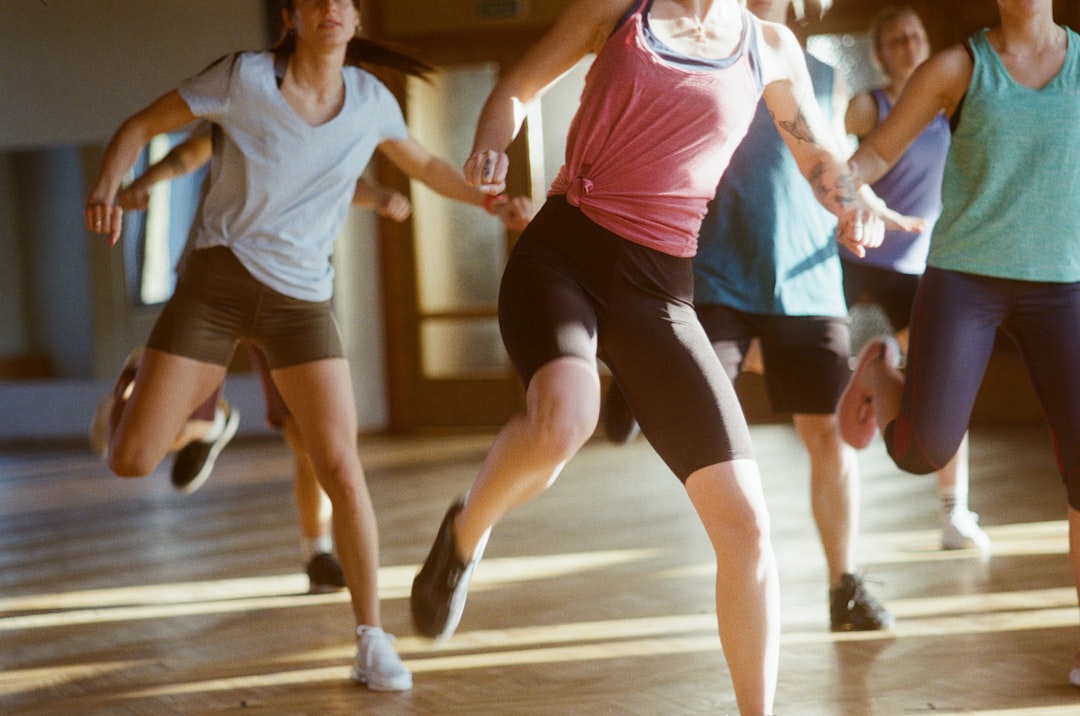
In a world of digital noise and constant stress, finding a holistic outlet for mental wellness can feel elusive. What if the answer involved music, human connection, and graceful movement? Far more than mere entertainment, ballroom dancing is emerging as a powerful, evidence-backed ally for mental health, offering a unique blend of physical exercise, cognitive engagement, and emotional expression that can soothe the mind and lift the spirit.
This article explores the profound psychological benefits of ballroom dance and how its principles are being harnessed in therapeutic settings. From sparking joy to building community, discover why stepping onto the dance floor might be one of the most graceful moves you can make for your well-being.
The Mental Health Benefits of Ballroom Dance
The magic of ballroom dance lies in its multidimensional nature. It’s not just a workout; it’s a moving meditation, a social contract, and a creative pursuit all in one. Here’s how this synergy translates into tangible mental health benefits.
1. Mindfulness in Motion: Easing Stress and Anxiety
Ballroom dancing actively relieves stress by demanding a singular focus. To execute a Waltz or navigate a crowded floor with a Salsa, you must concentrate on posture, rhythm, your partner, and spatial awareness. This intense present-minded focus creates a state of flow, effectively crowding out the cycle of anxious thoughts and everyday worries. It’s a form of active meditation where the mind and body are fully synchronized in the moment.
2. A Neurological Boost: Elevating Mood and Fighting Depression
Physical activity is a known mood enhancer, but dance adds powerful layers. The aerobic exercise of dancing triggers the release of endorphins, the brain’s natural "feel-good" chemicals. Furthermore, synchronizing movement to music and mastering new steps stimulates dopamine release—the neurotransmitter linked to reward and motivation. This potent combination, often set to uplifting music, creates a natural antidote to low mood and a proactive strategy for emotional resilience.
3. Building Confidence from the Inside Out
The journey of learning ballroom dance is a masterclass in building self-esteem. Progress is tangible: a step mastered, a routine remembered, a connection felt. Each small victory fosters a sense of accomplishment and self-efficacy. As you learn to trust your body and capabilities, that confidence inevitably spills over into other areas of life, transforming self-doubt into self-assuredness.
4. The Healing Power of Connection
In an age of isolation, ballroom dance is a profoundly social art. It requires non-verbal communication, mutual trust, and cooperation with a partner. This builds a unique form of intimacy and social bonding that can combat loneliness more deeply than casual conversation. Becoming part of a dance community provides a sense of belonging and shared purpose, fulfilling a fundamental human need for connection.
Ballroom Dance as a Therapeutic Modality
The benefits of dance can be accessed recreationally, but they also form the foundation for structured therapeutic approaches. It’s important to distinguish between formal clinical therapy and the broadly therapeutic experience of dance.
Formal Dance/Movement Therapy (DMT)
Dance/Movement Therapy (DMT) is an established psychotherapeutic practice led by a licensed clinician. A trained therapist uses structured movement and dance to help clients address specific mental health goals, such as processing trauma, managing anxiety, or improving emotional regulation. In this context, the movement itself becomes a language for expressing and exploring what words cannot.
The Therapeutic Power of Recreational Dance
You don’t need a clinical diagnosis to reap the therapeutic rewards. Participating in social dance classes or private lessons provides a supportive, non-judgmental environment for growth. A skilled instructor can tailor lessons to an individual’s pace, helping to build confidence and social skills. These settings offer a consistent, joyful outlet for stress relief, cognitive stimulation, and social interaction, serving as a powerful adjunct to overall mental wellness.
Taking Your First Step: A Beginner's Guide
Ready to experience the benefits for yourself? Getting started is simpler than you might think.
- Find a Reputable Studio: Look for a local studio with beginner-friendly group classes. "Social dance" or "beginner bronze" classes are perfect entry points.
- Embrace the Beginner's Mind: Everyone starts somewhere. Focus on the joy of learning and moving, not on perfection.
- Choose Your Style: Explore different dances! The elegance of Waltz, the energy of Swing, or the passion of Tango—each offers a unique emotional and physical experience.
- Wear Comfortable Clothing: You need to move freely. Comfortable shoes with a smooth sole are essential (special dance shoes can come later).
Conclusion: Your Invitation to Dance
Ballroom dancing offers more than technical skill; it provides a holistic framework for well-being. It engages the body, focuses the mind, and connects the heart. Whether you are drawn to the structured support of formal dance therapy or the joyful, communal release of a social class, the dance floor awaits as a sanctuary for mental rejuvenation.
In the end, the most profound step isn't a box step or a spin—it’s the decision to start. Why not find a local studio and give it a try? Your mind, and your spirit, will thank you for the dance.