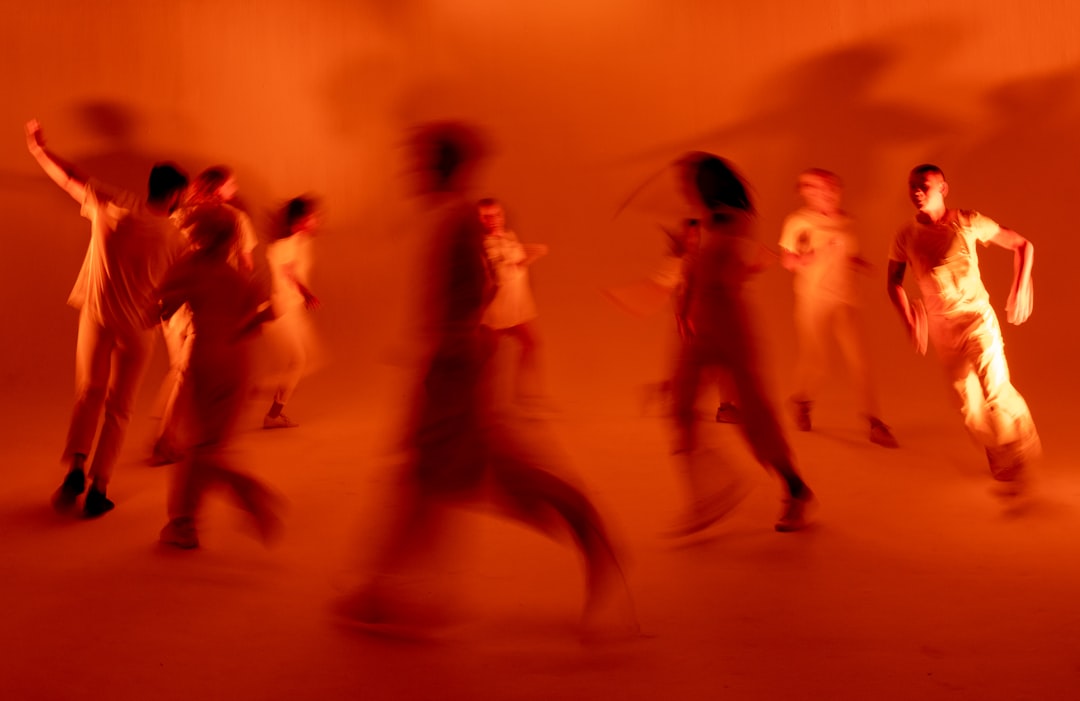
Behind the glitter and grace of ballroom lies a hidden environmental footprint—from PVC dance floors to fast-fashion costumes. Yet, as the global events industry grapples with waste and climate impact, a powerful opportunity emerges. What if every elegant waltz and vibrant quickstep could also be a step toward a healthier planet? This guide moves beyond theory to offer actionable, practical steps for dancers, studio owners, and organizers to weave sustainability into the very fabric of the dance community.
The Foundation: Reimagining the Dance Floor
The Problem: The standard sprung floor often relies on polyvinyl chloride (PVC) top layers. PVC production releases toxic dioxins, the material is not biodegradable, and it is notoriously difficult to recycle, often ending up in landfills.
Green Solutions for a Solid Foundation:
- Choose Phthalate-Free Marley: High-quality Marley flooring is a durable, professional-grade alternative. Look for options that are phthalate-free and may contain bio-based plasticizers. Its longevity—resisting tears and wear—is itself a key sustainability feature, reducing frequent replacements.
- Prioritize Portability & Recycled Content: Investing in a high-quality portable floor system minimizes the resource drain of permanent, single-use installations. Seek out manufacturers who incorporate post-consumer recycled materials into their products or offer take-back recycling programs.
- Consider the Cost/Benefit: While the upfront cost for a sustainable floor may be 10-20% higher, the investment pays off in long-term durability, improved indoor air quality (no off-gassing), and a clear commitment to dancer and planetary health.
The Ensemble: Crafting Sustainable Costumes
The Problem: Costume culture can mirror fast fashion, with synthetic, non-biodegradable fabrics and pressure for constant newness generating significant waste.
Building an Eco-Conscious Wardrobe:
- Select Innovative Fabrics: Move beyond broad "natural fabric" advice. For performance, consider Tencel/Lyocell (made from sustainably sourced wood pulp in a closed-loop process) or Recycled Polyester (transforming plastic bottles into high-sheen fabric). These offer the stretch and drape dancers need with a lower environmental toll.
- Embrace Upcycling & Care: Get creative with old costumes. A Standard gown's skirt can be transformed into a dramatic Latin fringe top. Simple mending, bead replacement, and professional cleaning can extend a garment's life for years. Support designers on platforms like Etsy who specialize in custom, upcycled dancewear or seek out brands like Eva Maria Costumes known for sustainable practices.
- Support Ethical Production: When buying new, research brands committed to fair labor practices and transparent, low-waste supply chains. Quality over quantity is a sustainable mantra.
The Stage: Energy-Efficient Studios & Events
The Problem: Dance studios and large competitions consume substantial energy through lighting, sound, and climate control, contributing to a larger carbon footprint.
Reducing the Operational Impact:
- Switch to LED Lighting: This is the single most effective change. LEDs can reduce a studio's lighting energy use by up to 80% and last significantly longer, reducing bulb waste. For competitors, advocate for events to adopt LED stage lighting as part of their green policy.
- Implement Smart Systems: Install motion sensors or programmable timers in practice rooms, hallways, and bathrooms to ensure lights and HVAC systems aren't running in empty spaces.
- Choose Efficient Equipment: Opt for sound systems and amplifiers with Energy Star ratings or power-saving modes. Encourage a culture of "switching off" completely after use.
The Movement: Mobilizing the Community
The Problem: Individual efforts are powerful, but collective action creates systemic change. This potential often remains untapped due to a lack of structure.
Concrete Steps for Collective Action:
- Form a "Green Team": At your local studio or within your competition circuit, start a small group to implement practical projects: setting up proper recycling/compost stations, organizing costume swaps, or carpooling to events.
- Advocate with Governing Bodies: Petition organizations like the WDSF or NDCA to include sustainability criteria in their event sanctioning requirements. Propose an "Eco-Champion" award for competitions that demonstrate outstanding green practices.
- Amplify the Message: Use social media to share tips and successes with a dedicated hashtag like #SustainableBallroom. Educate peers by hosting a workshop on costume upcycling or inviting a speaker to discuss the environmental impact of events.
Your First Steps: 5 Easy Wins for Every Dancer
Sustainability is a journey. Start today with these simple actions:
- Hydrate Sustainably: Ditch single-use plastic. Use a durable, refillable water bottle at every practice and competition.
- Travel Mindfully: Carpool to studio sessions or events to reduce emissions and build community.
- Mend, Don't Mend: Repair a loose strap or missing stone before deciding to replace a costume.
- Ask the Question: Inquire at your studio about their recycling policies or energy-saving measures. It shows there's interest.
- Share the Knowledge: Pass this guide along to a fellow dancer, teacher, or organizer.
Conclusion: The Dance Continues
Sustainability in ballroom isn't about a perfect performance; it's about conscious progress. It’s a community pas de deux between individual choice and collective advocacy. From the fabrics we wear to the floors we glide on and the events we create, each green decision helps preserve the artistry we love. By finding a greener groove, we ensure the music, and the dance, continues for generations to come.