Flamenco dance is a passionate and expressive art form that originated in Andalusia, southern Spain. Characterized by percussive footwork, intricate hand movements, and dramatic emotional expression, flamenco demands clothing that supports its technical precision while honoring its rich cultural heritage. Whether you're stepping into your first class or preparing for a performance, understanding what to wear can transform your experience from frustrating to liberating.
This guide breaks down everything you need to know about flamenco dance attire—from practical practice wear to the iconic traditional costume.
Understanding Flamenco's Unique Clothing Needs
Unlike many dance forms where loose, flowing clothes work best, flamenco occupies a fascinating middle ground. The dance requires structured garments that extend and emphasize movement rather than hiding it. The sharp lines of your body, the precise angles of your arms, and the dramatic sweep of your skirt all need to be visible to execute and appreciate the technique properly.
At the same time, flamenco is physically demanding. You'll sweat. Your body temperature will fluctuate. And you'll need complete freedom for the rapid footwork (zapateado) that defines the form.
Practice Wear: Building Your Foundation
For classes and rehearsals, prioritize functionality without sacrificing the form-conscious approach that flamenco requires.
Tops
Choose fitted tops that allow instructors to see your torso alignment and arm positions. Breathable, stretchy fabrics like cotton-spandex blends work well. Avoid oversized t-shirts that obscure your frame—flamenco technique depends on visible lines from shoulder to wrist.
Bottoms
For women: Fitted leggings or dance shorts paired with a practice skirt. Many dancers use a simple, single-layer circular skirt in lightweight fabric to practice movements without the weight of traditional costume.
For men: Fitted dance pants or leggings that clearly show leg position. Avoid baggy sweatpants that hide knee alignment and foot placement.
Layering Strategy
Flamenco classes build intensity progressively. Start with light layers you can remove:
- A wrap sweater or fitted jacket for warm-ups
- Leg warmers for ankle support (easily removed)
- A light scarf for neck and shoulder isolation exercises
The Traditional Traje de Flamenca: Women's Performance Attire
The iconic flamenco dress is far more structured than casual "flowy" descriptions suggest. Understanding its components helps you appreciate why precision matters.
The Bodice (Corpiño)
The fitted bodice features structured seaming, often with boning, to create a defined silhouette. Ruffles (volantes) cascade from the neckline, sleeves, and hem in carefully graduated sizes. The fit should be snug—not tight enough to restrict breathing, but structured enough that the garment moves as an extension of your body.
The Skirt (Falda)
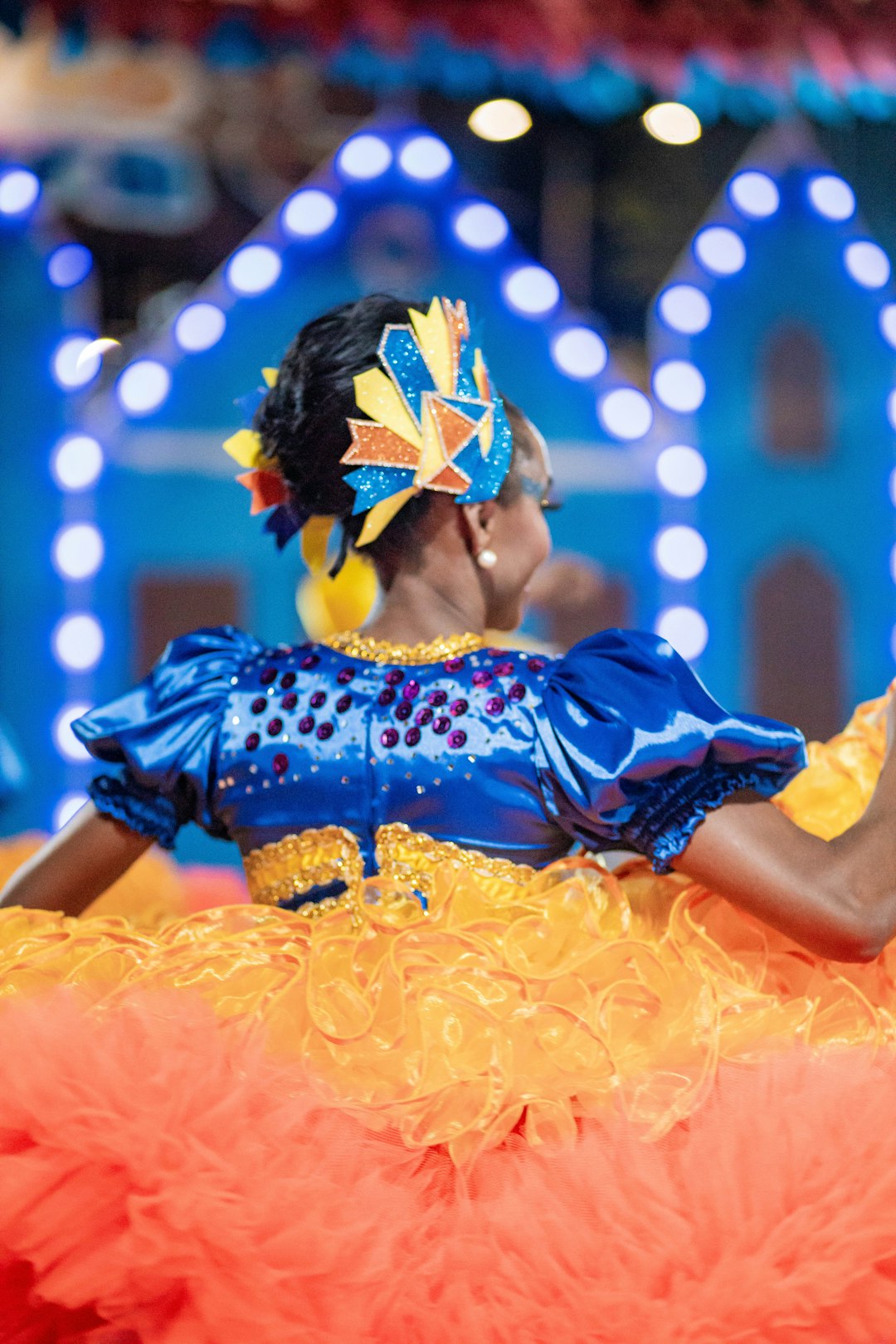
Traditional flamenco skirts are constructed from substantial fabrics—polyester-cotton blends that hold their shape while allowing controlled movement. Multiple layers of ruffles create volume without random billowing. The hem typically falls at the ankle to showcase footwork.
The Bata de Cola
For professional performances, the long-trained skirt with its distinctive tail requires specialized technique. Dancers manipulate the train through precise arm and body positioning, making the fabric itself an instrument of expression. This is never "flowy" or accidental—every sweep is choreographed.
Men's Traditional Flamenco Attire
Men's flamenco costume emphasizes masculine structure and clean lines that contrast with women's voluminous silhouettes.
Core Components
- Fitted trousers (calzón): Tapered to the ankle, often in black, allowing precise visibility of footwork
- Structured jacket (chaquetilla): Short, fitted, and often brightly colored or embroidered
- White shirt: High-collared and fitted beneath the jacket
- Wide belt (faja): Often colorful, emphasizing the waist and supporting posture
Regional Variations
Certain flamenco styles (palos) incorporate additional elements:
- Wide-brimmed hat (sombrero cordobés): Used in garrotín and some farruca performances
- Vest (chaleco): Alternative to the jacket in warmer conditions or specific choreographies
Footwear: The Heart of Flamenco Technique
No element of flamenco attire is more critical than proper footwear. The percussive sound of flamenco—its very rhythmic foundation—depends on specialized construction.
Women's Flamenco Shoes
- Construction: Leather upper and sole with nails (clavos) embedded in the heel and ball of the foot
- Heel height: Medium (4-5cm) for beginners, higher for advanced dancers
- Fit: Snug with minimal slipping; the shoe becomes an