Flamenco is more than dance—it's a living art form where every element of presentation amplifies the duende, that raw emotional power that defines the genre. Your clothing doesn't merely decorate your performance; it becomes an extension of your technique, your zapateado echoing through the floor, your bata de cola tracing arcs through the air. Whether you're stepping into your first class or preparing for a tablao debut, understanding authentic flamenco attire transforms how you move, sound, and command the stage.
The Heart of Flamenco Style: The Traje de Flamenca
No garment embodies flamenco more completely than the traje de flamenca—the traditional ruffled dress that has evolved from 19th-century Andalusian fashion into a sophisticated performance staple.
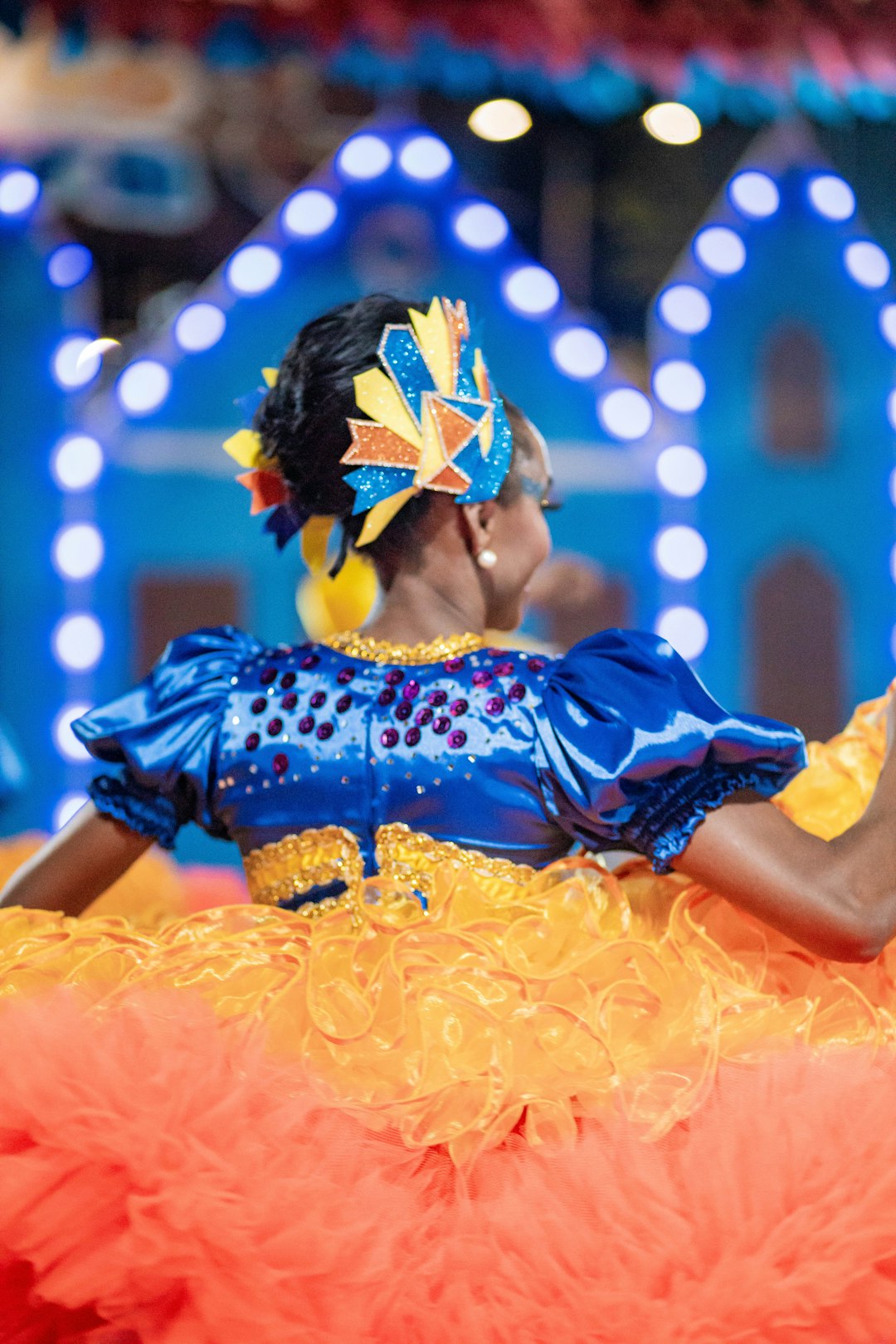
A proper traje features a fitted bodice that allows free arm movement for braceos (arm work), with a skirt that flares dramatically from the hips. Ruffles (volantes) cascade from the waist or hem, their number and placement signaling formality and regional style. Lengths vary strategically:
- Knee-length (mini): Ideal for beginners and fast-footed alegrías
- Midi: Balances mobility with traditional silhouette
- Floor-length with bata de cola: The ultimate expression of flamenco drama, requiring dedicated training to manage the long train
The bata de cola deserves special mention. This attached train, extending up to six feet behind the dancer, becomes a partner in the choreography—swirled, lifted, and snapped through precise body mechanics. Never attempt performance with a bata de cola without instruction; its weight and flow demand specific technique to avoid entanglement or injury.
Fabrics That Move: From Rehearsal to Performance
Flamenco fabrics must respond to your body—swirling with turns, snapping with marcajes (marking steps), and flowing through braceos. Your fabric choices shift dramatically between practice and performance.
For rehearsal, prioritize endurance:
- Stretch cotton blends that recover from hours of repetition
- Breathable jerseys that wick moisture during intensive zapateado drills
- Lightweight practice skirts with sufficient weight to feel momentum
For performance, consider transformation:
- Silk and satin that catch stage lighting dramatically
- High-quality polyester crepe offering durability with fluid drape
- Stiffened cotton organdy for ruffles that hold their shape
Avoid fabrics that fight your movement. Heavy wools exhaust quickly; overly slippery synthetics tangle in fast turns; stiff materials without flow resist the circular energy essential to flamenco.
The Sound of Flamenco: Authentic Footwear
The article's suggestion of "high-heeled sandals" or "tap shoes" fundamentally misunderstands flamenco's acoustic dimension. Flamenco is rhythm made visible and audible—and your shoes are instruments.
*Zapatos de flamenco feature:
- Leather construction: Typically sturdy leather uppers and soles that mold to your foot
- Instep strap: A secure T-strap or cross-strap preventing slippage during aggressive footwork
- Nailed heels and toes: Small metal taps (clavos) embedded in the heel and ball of the foot create the distinctive percussive range—from the sharp crack of a golpe to the rolling thunder of llamadas
Heel height indicates experience: beginners start with 3-4cm heels for stability; professionals may wear 6-7cm for maximum line and sound projection. Never substitute tap shoes—their metal plates produce entirely different timbres and would corrupt your technique development.
Traditional Accessories: Peinetas, Mantones, and More
Generic "statement necklaces" miss flamenco's rich accessory vocabulary. Authentic pieces carry cultural weight while serving practical performance functions.
Peinetas are decorative combs, traditionally carved from tortoiseshell-patterned acetate or wood, worn high on the head to secure the moño (bun). Their height elongates the neck and frames the face for dramatic lighting.
Mantones de Manila are embroidered silk shawls, originally imported from China through Manila, now integral to flamenco tradition. Draped over shoulders or manipulated through braceos, their fringe extends movement and their weight adds dynamic resistance. A full-size mantón (approximately 5 feet square) demands strength to wield effectively—smaller mantoncillos suit beginners.
Roses and flowers (rosas) tucked into hair or dress bodices add color and reference Andalusian feria traditions. Pendientes—dramatic, often shoulder-grazing earrings—catch light and