Introduction
Flamenco demands everything from its dancers—precision, passion, and complete physical commitment. Your attire should work with you, not against you. Whether you're stepping into your first clase or preparing for a tablao performance, understanding the technical construction and cultural significance of Flamenco dress separates serious dancers from those simply playing dress-up.
This guide draws on the expertise of artesanos (master craftspeople), professional dancers, and the unwritten traditions of la escuela flamenca to help you invest wisely in attire that honors the form.
Understanding the Traje de Flamenca: Beyond the Surface
The traje de flamenca—the traditional Flamenco dress—emerged from the multicultural crucible of Andalusia, shaped by Roma, Moorish, Jewish, and Andalusian influences. Today's professional attire maintains strict technical standards that directly impact your movement quality.
A proper traje consists of two engineered components:
- The corpiño: A corset-style bodice with ballenas (boning) that sculpts the torso while permitting full braceo (arm movement)
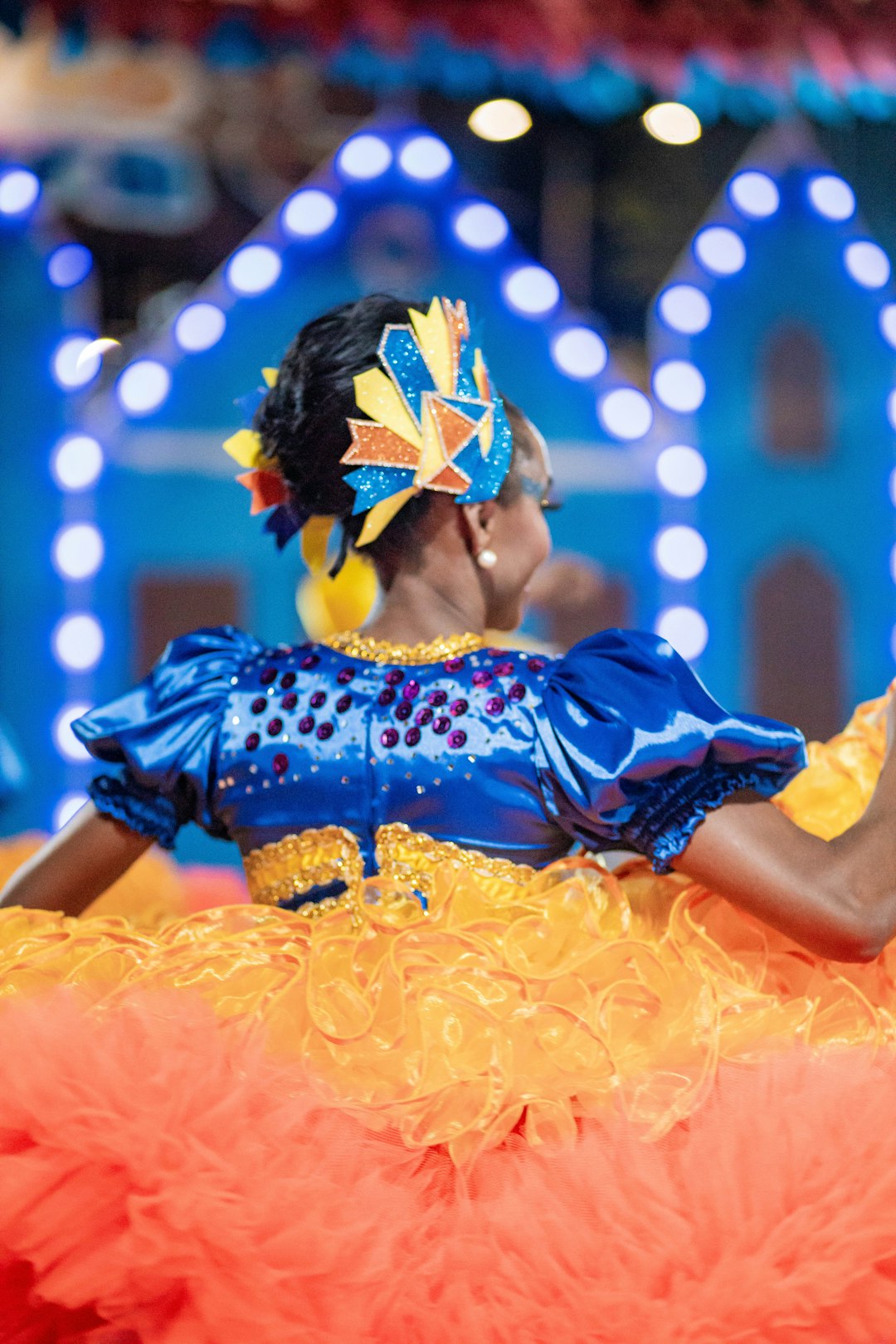
- The falda: A skirt constructed from 3–6 meters of fabric with structured volantes (ruffles) engineered to respond to your zapateado (footwork)
Unlike generic "flamenco-inspired" costumes, authentic pieces are built for hours of intense physical work.
Fabric Selection: Function First
Practice Wear
Lightweight cotton popelín remains the gold standard for rehearsals. It breathes, drapes predictably, and withstands repeated washing. Avoid polyester blends that trap heat under studio lights and create static that clings to your legs during vueltas (turns).
Performance Attire
For the stage, silk crepe or raso (satin) provides the luminous quality that catches light during braceo. Professional dancers often commission silk bordado (embroidered) pieces from artesanos in Seville, Jerez, or Málaga—expect to invest €800–3,000 for a competition-quality traje.
Critical warning: Stiff, synthetic "costume" fabrics sold online restrict the hip movement essential for contratiempo and may cause overheating during extended soleá or bulerías performances.
Color: Reading the Code
Flamenco color carries semiotic weight that knowledgeable audiences recognize instantly.
| Color | Traditional Significance | Contemporary Use |
|---|---|---|
| Rojo flamenco (true Flamenco red) | Passion, duende, the blood of the form | Competition, feria performances, bata de cola premieres |
| Black | Cante jondo depths, mourning, serious soleá | Versatile professional standard |
| White/Pastels | Feria de Abril celebration, sevillanas | Regional festivals, daytime performances |
| Gold/Yellow | Solar energy, alegrías | Escuela bolera, stylized pieces |
Regional variations matter: Trajes from Córdoba traditionally feature vertical volantes; Sevillian designs favor horizontal volantes with greater circumference. Research your palo (musical form) and performance context before committing to color.
The Falda: Engineering Your Movement
Skirt construction determines your technical possibilities. Serious dancers own multiple pieces for different palos:
- 360° circumference: Practice and tangos—manageable, economical
- 540° circumference: Standard performance weight—sufficient vuelo (flight) for alegrías and bulerías
- 720°+ circumference: Bata de cola territory—requires dedicated technique to manipulate the train without tangling
The bata de cola (dress with train) demands its own skill set. Professional dancers train for months to master bata technique: the arrastre (drag), vuelta con bata (turn with train), and llamada cues that communicate with musicians. Never perform with a bata de cola without dedicated preparation—an uncontrolled train destroys compás and endangers fellow dancers.
The Corpiño: Precision Fit
A poorly fitted corpiño sabotages performance. The bodice must:
- Remain absolutely stationary during braceo extensions
- Permit deep breathing for cante accompaniment
- Support without