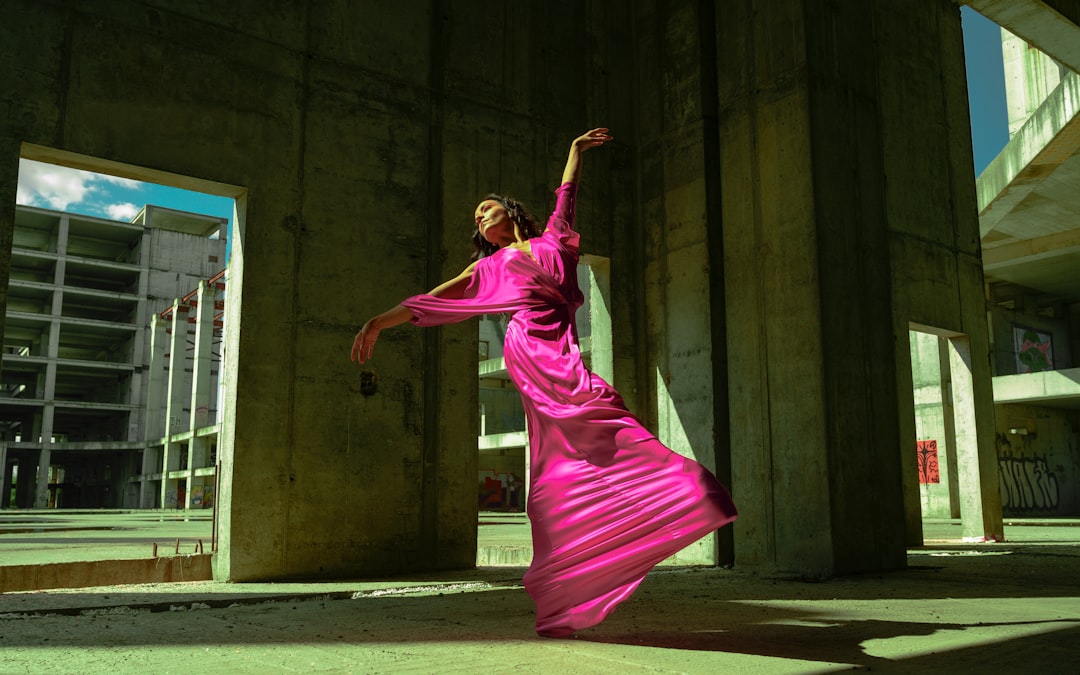
Whether you're stepping into your first studio or transitioning from ballet or jazz, establishing a solid foundation in contemporary dance requires more than learning steps—it demands understanding a living artistic tradition. This guide offers practical, structured guidance for developing the physical skills and artistic sensibilities that define contemporary dance today.
What Contemporary Dance Actually Is (And Isn't)
Contemporary dance emerged in the mid-20th century as artists like Merce Cunningham, Martha Graham, and José Limón broke from classical ballet's rigid vocabulary. Rather than a single technique, contemporary dance encompasses multiple approaches:
| Tradition | Defining Principle | What You'll Recognize |
|---|---|---|
| Graham Technique | Contraction and release | Deep torso work, dramatic expression |
| Cunningham Technique | Movement independent of music | Clarity of line, multiple focal points |
| Limón Technique | Fall and recovery | Weighted, grounded movement, breath phrasing |
| Release Technique | Efficiency and ease | Minimized tension, fluid transitions |
| Gaga (Naharin) | Sensory awareness | Improvisation-based, pleasure in movement |
Contemporary dance today rarely exists in pure form. Most training blends these influences with ballet fundamentals, jazz dynamics, and somatic practices. What unifies them: prioritizing functional alignment over aesthetic shape, breath as movement generator, and individual expression within technical framework.
The Five Pillars of Foundational Technique
1. Alignment That Serves Function
Proper alignment in contemporary dance differs from ballet's vertical ideal. Rather than "head over shoulders over hips," think dynamic stacking that adapts to movement demands:
- Standing leg: Weight distributed through tripod of foot (ball, outer edge, heel)
- Pelvis: Neutral to slightly released, allowing lumbar mobility
- Rib cage: Floating over pelvis without thrusting forward or collapsing back
- Head: Following natural line of spine, not artificially lifted
Practice: Stand with feet parallel, hip-width apart. Rock slowly forward through feet, back through heels, then find center. Notice how alignment shifts—this responsiveness matters more than fixed position.
Body diversity note: These principles apply across body types, but execution varies. A dancer with hypermobile joints needs more stability focus; someone with limited hip rotation adapts turnout expectations. Work with teachers who understand anatomical variation.
2. Breath Integration
Unlike ballet's often-held torso, contemporary dance treats breath as visible movement material. Practice:
- Costal breathing: Lateral rib expansion (hands on ribs to feel)
- Suspension on exhale: Brief stillness at breath emptying
- Breath phrasing: Matching movement initiation to inhalation, resolution to exhalation
3. Core Engagement (Not Rigidity)
"Core" in contemporary dance means responsive stability—deep transverse abdominis and pelvic floor engagement that allows, not restricts, movement. Think of initiating from center rather than holding it rigid.
Key distinction: Ballet often emphasizes lifted, held center. Contemporary asks: can your center release into floor, rebound, spiral, suspend?
4. Flexibility and Mobility
Contemporary demands range, but active mobility trumps passive flexibility. Prioritize:
- Hip mobility: Psoas length, hip rotator control
- Spinal articulation: Sequential movement through all three curves
- Ankle and foot adaptability: Pointed, flexed, sickled, winged—all used intentionally
Injury prevention: Stretch after warming up, not before. Hold static stretches 30–60 seconds. Strengthen end ranges, don't just access them.
5. Weight and Gravity
Perhaps the defining contemporary shift: treating gravity as partner, not enemy. Practice:
- Yielding weight into floor
- Rebounding from impact
- Momentum-based movement
Developing Contemporary Technique: Specific Skills
Replace generic "practice footwork" with these foundational elements:
Floor Work
Absent from the original article, yet central to contemporary training. Begin with:
| Element | Description | Progression |
|---|---|---|
| Rolling | Sequential spine contact with floor | Supine roll to seated, adding arm pathways |
| Inversions | Head below hips | Tripod, headstand preparation, shoulder stand |
| Crawling patterns | Weight across multiple surfaces | Bear walk, crab, adding level changes |
| Getting up/down | Transitions between floor and standing | Spiral roll-up, reverse through plank |
Spirals and Torso Initiation
Contemporary movement rarely travels straight. Practice:
- Pelvic circles in all planes
- Spiral roll-downs: Initiating from tailbone, stacking back up
- **Contralateral movement