So you’ve got the basic cumbia step down. You can move laterally, you can stay on beat, and maybe you’ve even started leading a few turns. But then you hit that wall. You watch seasoned dancers and there’s this… life in their movement, a fluidity and command that the basic step just doesn’t cover. That gap between knowing the steps and truly dancing? That’s where the real magic lives.
I remember standing in a community center in Mexico City, utterly hypnotized by a couple dancing Cumbia Sonidera. They weren’t doing anything wildly acrobatic, but their connection to the music and each other was electric. It was in the quiet moments—the suspension, the subtle shift of weight—that they told their story. That’s the level we’re aiming for. Forget drilling patterns; we’re about to unlock the secrets of musicality, partnership, and control that define advanced cumbia.
Master the Pause, Not Just the Step
Everyone learns the step as “quick, quick, slow.” But the soul of the dance lives in that “slow.” Don’t just mark time—own it. On that fourth count, as you shift your weight, think about rooting yourself into the floor. Let your knee bend to absorb the movement, then allow a slight, suspended lift in your hips before you reverse. It’s that moment of stillness between directions that creates rhythm and intention.
Try this: Put on a mid-tempo track (around 95 BPM) and exaggerate the pause. Hold it. Feel the tension and release in your hips. If you film yourself, you should see a subtle, grounded figure-eight, not a frantic side-to-side wiggle. This controlled weight transfer is the bedrock of advanced styling; it’s what makes every subsequent movement look deliberate and powerful.
Isolate to Mesmerize: Hips vs. Ribcage
Advanced styling is all about disassociation—moving your upper and lower body independently. This isn’t about wild shaking; it’s about controlled contrast. If your shoulders follow your hips everywhere, you get what instructors affectionately call the “washing machine” effect: a frantic, all-over wobble with no clear focus.
Build it step-by-step:
Start by standing with your back against a wall and doing slow hip circles. Keep your shoulder blades glued to the wall. Once that feels natural, add your basic step, but keep that hip rhythm flowing through the weight transfers. Finally, introduce small pops or shifts in your ribcage on the off-beats, creating a direct opposition with your hips. The style you choose dictates the flavor: Colombian cumbia keeps it earthy and subtle, Sonidera amplifies the upper body, and Villera loves a good shoulder shimmy.
Turns That Tell a Story (Don’t Just Spin)
Forget generic “spins.” A turn should have a beginning, a middle, and an end, all driven from your core, not your flailing arms. The Hip-Led Turn (Vuelta de Cadera) starts from that grounded hip circle we just mastered. You initiate the rotation from your center, your spotting happens on a specific count (the 4th, not as you whiz around), and you land already committed to your new direction. It looks and feels intentional.
For more advanced dancers, the Double Turn (Giro Doble) plays with time. The first rotation uses the standard four-count timing. The second rotation accelerates, crunching into two counts, and then you delay your landing until the final eighth count. This creates a gorgeous rhythmic tension and release that’s pure musicality. A key safety note: cumbia turns are powered from the hips, not arm leverage, so always practice on a proper surface to protect your knees.
Listen Like a Musician, Dance Like a Drummer
Intermediate dancers hear the beat. Advanced dancers dissect the orchestra. Cumbia is a tapestry of rhythm: the deep pulse of the tambora drum, the scratchy whisper of the guacharaca, the melodic call of the accordion. Most people lock onto the bass drum. Your mission is to break free.
Level up your ears: Play a classic track and try to clap only to the guacharaca’s scraping pattern. Once you can isolate it, let that intricate rhythm guide your footwork instead of the obvious downbeat. Try dancing “behind” the beat for a full phrase, then snapping back to it. This conversation with the music—not just following it—is what will make your dancing truly captivating.
The Partnership: Connection Over Force
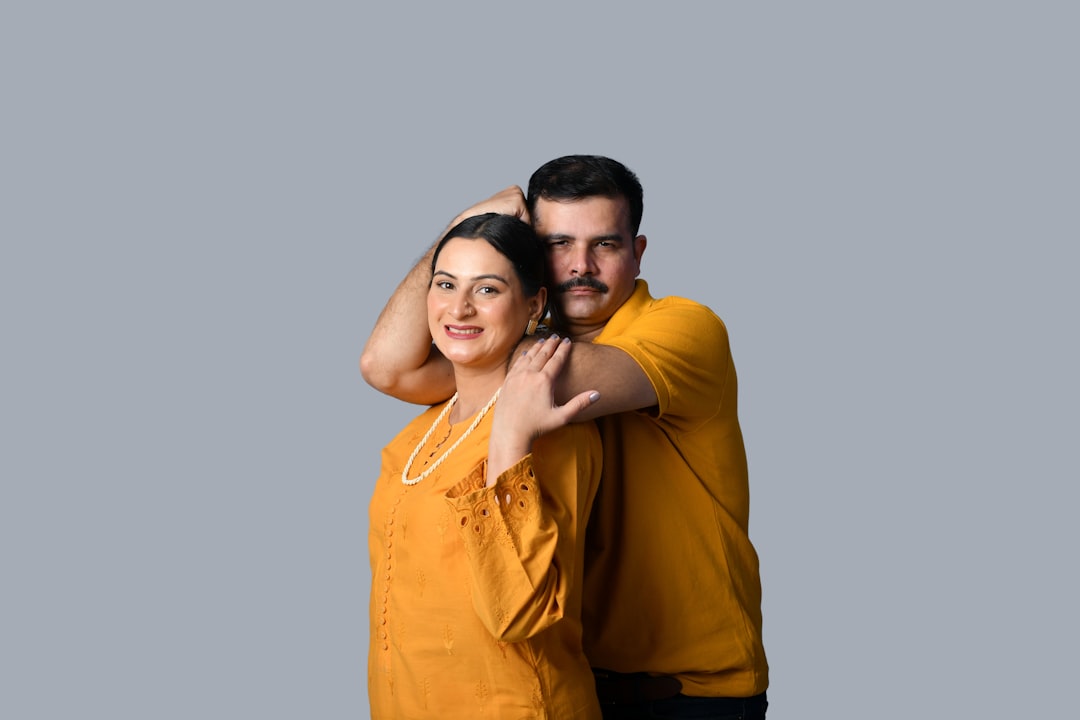
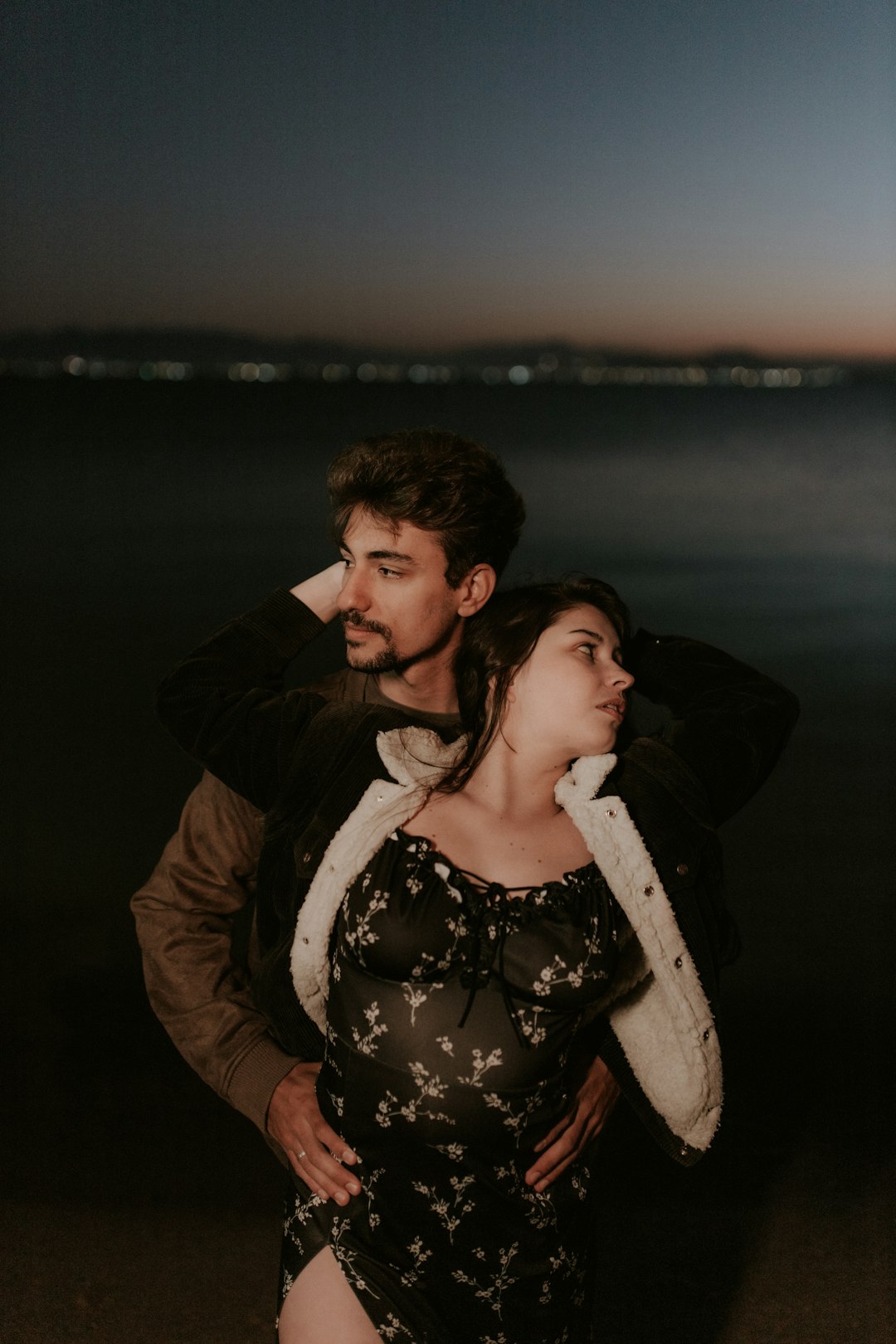
Cumbia partnership is a world away from the tense frame of salsa or the close embrace of bachata. It’s about responsive communication through body weight, not arm wrestling. Your frame should be toned but flexible, with elbows slightly bent—never locked. The lead’s hand connects at the follow’s shoulder blade (the “mano de mula”), not the lower back, creating a clearer channel for directional shifts.
In shadow position, you move as two individuals on parallel tracks, not as a spinning unit. The lead creates momentum for moves like the arrastre (dragging step) by subtly shifting their own center of gravity backward, and the follow responds to that body weight, not a tug on the arm. The goal is a gliding, magnetized effect where you move together because you choose to, not because you’re pulled. It’s this elegant, respectful dynamic that makes partnered cumbia look so effortlessly cool.
The path from enthusiast to advanced dancer isn’t about learning a hundred new steps. It’s about going deeper into the ones you know. It’s about trading frantic energy for controlled power, and hearing the hidden rhythms in a song you’ve played a thousand times. Start with one of these secrets—master the pause, isolate a movement, or truly listen to a single instrument. That’s where you’ll find your own style, and that’s when you’ll stop just doing cumbia and start speaking it.