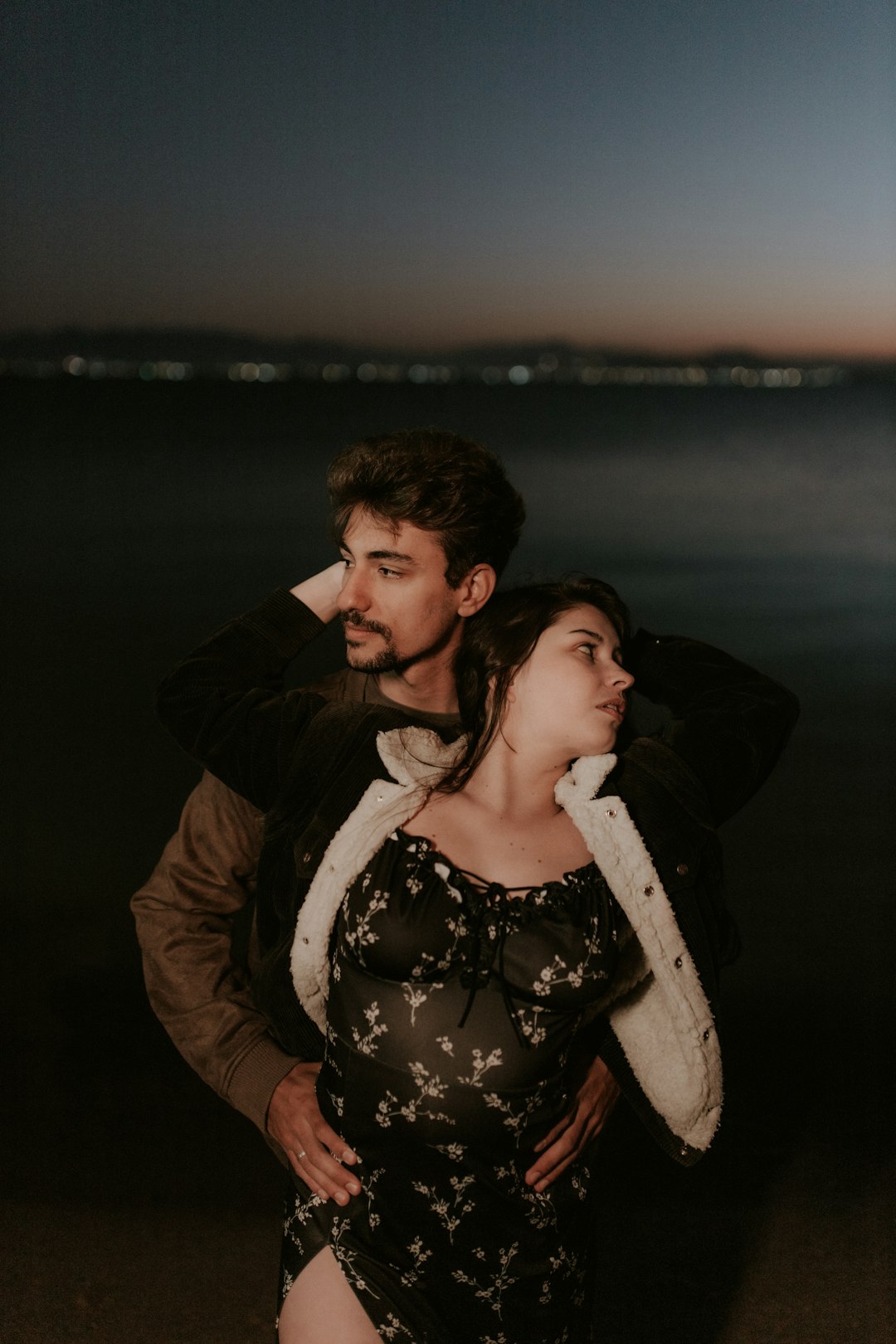
Picture this: the bassline hits your chest before you even think about moving. Your feet find the floor, and that familiar drag-step begins—a whisper of leather on wood. But tonight, you’re not just counting beats. You’re having a conversation with the music.
That’s the shift that separates casual cumbia dancers from captivating ones. You’ve nailed the basic step. Now, it’s time to let your dancing speak.
The Ground Beneath Your Feet: Advanced Footwork That Breathes
Forget flashy spins for a moment. Real cumbia magic lives in how you meet the floor. That foundational drag isn’t just a step—it’s a statement. Think of it as drawing a line in the sand with intention. The working foot should brush the floor with a controlled scrape, creating that signature sound. Your weight stays low, centered over bent, springy knees. This isn’t ballet; you’re connected to the earth.
Ready to add texture? Try syncing your footwork with the guacharaca’s scrape. That metallic, rhythmic rasp is your cue for syncopation. On the “&” count between the main beats, add a subtle toe tap or a quick weight shift. It feels like a secret wink to the percussionist. You’re not just dancing to the melody anymore; you’re duetting with the rhythm section.
For a contemporary edge, borrow a page from Argentine cumbia villera. Picture the energy of Buenos Aires street parties—quick, staccato hops on the balls of your feet, almost like you’re jogging in place to the beat, then melting back into a grounded drag. It’s athletic, raw, and full of playful attitude. Just save the full-blown jumps for when you’re solo or with a partner who knows the code.
Style Is Your Signature: More Than Just Moves
Your dancing starts long before the first note. It’s in what you wear and how you carry yourself.
Those flowing pollera skirts you see in traditional Colombian cumbia? They’re not just pretty. They amplify every hip circle and turn, painting the air with color. But you don’t need a costume. You need freedom. Choose clothes that let you breathe and bend—think wide-leg linen pants or a skirt that moves with you, not against you. Fabric that sticks when you sweat is the enemy of a smooth paso básico.
And your shoes? They’re your connection to the sound. On a slick club floor, leather soles let you glide through drags. Outside on concrete, you might need suede with a rubber cap for grip. The right shoe doesn’t just prevent slips; it changes how you articulate your footwork. Break them in. Nothing kills flow like a wince with every step.
Most importantly, own your space. Cumbia posture isn’t stiff. It’s a relaxed readiness—shoulders down, chest open, eyes up. Look at your partner, connect with the band, or gaze out as if you’re watching the Caribbean sunset from which this music was born. Your face tells the story as much as your feet.
Listen Deeper: Dancing to the Unspoken Beats
Here’s the real secret: the best cumbia dancers aren’t counting. They’re listening.
A gaita flute might spiral into a improvisational solo—let that weave into your turns, maybe slow them down. When the bass drops out for a measure, let your movement breathe, too. Anticipate the coro (chorus) coming back in; build your energy to meet it.
It’s a language. The accordion’s playful call might invite a cheeky syncopation. The deep thrum of the tambora drum is your anchor, that grounded feeling in your knees. Don’t just dance to the song. Dance with it. Respond to its accents, its pauses, its swells.
So next time you hit the floor, don’t just execute steps. Tell a story. Let your drag step be a question, your turn an exclamation, and your stillness a comma. Because cumbia isn’t just a rhythm you follow—it’s a history, a conversation, and a living, breathing joy that you get to wear in your bones. Now, go make the music visible.