The first heel strike sounds like gunfire. By the third, you understand: this is not performance. This is exorcism.
In the cramped darkness of a tablao in Seville, or the sweltering intimacy of a peña in Granada, flamenco refuses to be watched from a distance. It demands witness. The dancer's spine arches like a drawn bow. The guitarist's fingers explode across strings in a rasgueo—a match struck in darkness. And somewhere in the collision of sound and movement, something ancient and unnameable takes hold. The Spanish call it duende: the demon of earth and blood, the spirit that lends flamenco its terrible beauty.
Origins in the Margins
Flamenco was born not in palaces but in the shadows of them. In the late 18th century, the gitanos—Romani people who had migrated through Europe over centuries—gathered in the caves of Sacromonte and the corrales of Triana, neighborhoods where Spain's outcasts forged solidarity through shared song. What emerged was cante jondo, "deep song": a fusion of Andalusian folk traditions, Indian rhythmic cycles carried across generations, and the Arabic musical heritage that still lingered in southern Spain after the Reconquista.
For two centuries, flamenco remained the art of the persecuted. The gitanos faced expulsion, imprisonment, and forced assimilation. Their music absorbed these blows. The forms that crystallized—soleá, seguiriya, bulerías—carry this weight in their very architecture: slow, heavy llamadas (calls) that build toward explosive release, rhythms that seem to resist their own resolution. To understand flamenco is to understand that its passion is inseparable from its pain.
The Grammar of Feeling
Flamenco does not merely express emotion; it anatomizes it. Each palo—each distinct form—corresponds to a specific shade of human experience.
Watch a dancer perform seguiriya, the form reserved for deepest grief. The jaw sets. The gaze fixes on some middle distance where memory lives. The arms move not with the fluid grace of ballet but with the jerky, involuntary energy of someone fighting tears. The footwork, when it comes, arrives as assault: zapateado that seems to punish the floor itself. The body becomes a question no one can answer.
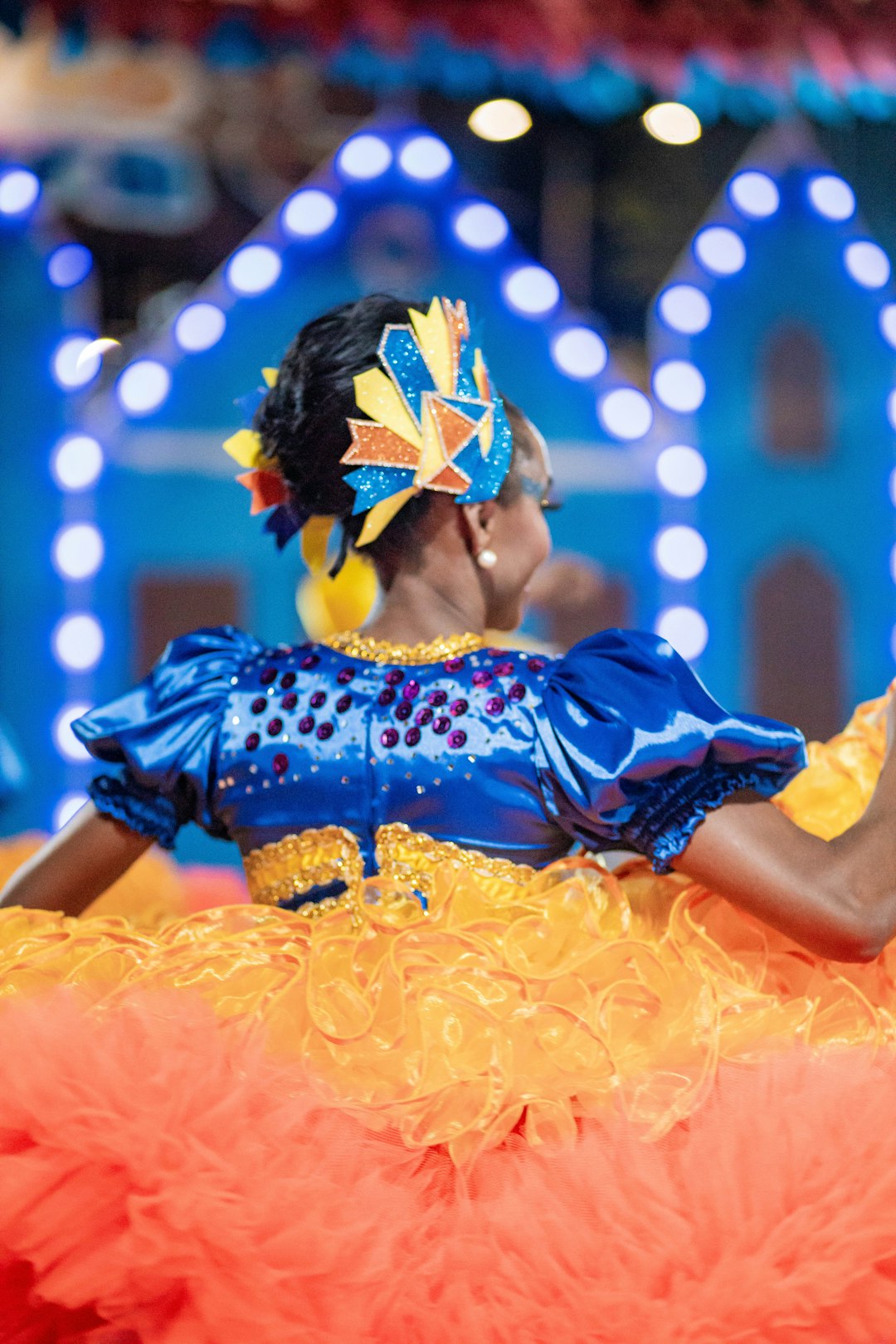
Contrast this with alegrías, the "joys" form from Cádiz. The same dancer might now wield a bata de cola—a dress with a trained hem extending six feet or more—manipulating its weight with precise flicks of wrist and ankle. The rhythm lifts. The face opens. Yet even here, in apparent celebration, flamenco's complexity asserts itself: the cante (song) beneath the merriment often carries lyrics of loss survived, of joy wrested from circumstance.
The cante itself operates in a vocabulary of archetype. The singer does not narrate personal stories but invokes collective ones: the mother betrayed, the lover abandoned, the wanderer who can never return home. In fandangos de Huelva, the voice climbs toward breaking; in tonás, the oldest cante form, it seems to emerge from bedrock itself, unaccompanied by any instrument.
The Argument of Music
If the dancer embodies flamenco's visible drama, the tocaor (guitarist) conducts its invisible architecture. The modern flamenco guitar—crystallized in the innovations of Ramón Montoya and revolutionized by Paco de Lucía's fusion experiments—functions as both rhythm section and lead voice.
Listen closely to a soleá por bulerías. The guitarist establishes compás—the 12-beat cycle that governs all flamenco—through a pattern of accents that seems to circle rather than progress. Then the intervention: a falseta, a melodic passage that interrupts the rhythm to plead, to accuse, to remember. The dancer responds not to instruction but to provocation. Guitarist and bailaor lock eyes across the tablao, each challenging the other—one phrase answered by a stamp of the heel, escalation building until neither can retreat.
The cajón, that wooden box drum adapted from Peruvian musica criolla in the 1970s, adds another layer of dialogue. Its resonant surface translates the body's rhythm into pure percussion. The palmas—handclaps from fellow musicians or the audience—complete the polyrhythmic texture, a democracy of sound in which expertise is distributed, shared, contested