The Art of Transformation
In a dimly lit theater in Seville, dancer Israel Galván suddenly drops into a crouch borrowed from butoh, his body contorting against the driving pulse of bulerías. The audience gasps—some in recognition, others in confusion. This is flamenco fusion at its most provocative: a centuries-old art form colliding with contemporary dance, sparking both creative electricity and heated debate.
Flamenco fusion represents far more than aesthetic experimentation. It sits at the crossroads of cultural preservation and innovation, where flamenco puro—the "pure" form rooted in Andalusian Romani communities—meets jazz, hip-hop, electronic music, and global dance traditions. The result challenges audiences to reconsider what constitutes authenticity in an art form that itself emerged from cross-cultural encounter.
Historical Roots: Fusion Before the Term Existed
The mythology of flamenco as unchanging tradition obscures its history of adaptation. The form crystallized in the 18th and 19th centuries from the confluence of Romani, Moorish, Jewish, and Andalusian musical practices. Yet the modern concept of deliberate fusion took shape in the 1970s, when guitarist Paco de Lucía collaborated with jazz musicians Chick Corea and John McLaughlin on Meeting of the Spirits (1978). This landmark recording demonstrated that flamenco's complex compás—its intricate rhythmic structures—could converse with improvisation-heavy jazz without losing its essential character.
The 1980s and 1990s saw acceleration. The New Flamenco (Nuevo Flamenco) movement produced artists like Ketama and Diego El Cigala, who incorporated Cuban son, Brazilian bossa nova, and North African influences. By the 2000s, fusion had become institutionalized through festivals like the Bienal de Flamenco de Sevilla, which regularly programs experimental work alongside traditional cuadro flamenco performances.
The Mechanics of Fusion: Music, Movement, and Meaning
Rhythmic Innovation
Traditional flamenco relies on compás—cyclical rhythmic patterns that dancers, singers, and guitarists navigate together. The palmas (hand-clapping) that mark this meter involve precise technique: palmas sordas (muted, bass-heavy claps) and palmas claras (bright, resonant claps) create polyrhythmic texture.
In fusion contexts, these rhythmic foundations encounter foreign structures. Electronic producers like Pablo Fierro or the collective Fuel Fandango layer synthesized beats beneath cante (flamenco singing). The challenge lies in maintaining aire—the distinctive rhythmic feel that distinguishes, say, soleá from bulerías—while expanding sonic possibilities. Rosalía's 2018 album El Mal Querer achieved this balance, using auto-tune and trap-influenced production while structuring songs around traditional palos (flamenco forms). The album reached global charts and won a Grammy, yet sparked intense debate within flamenco communities about whether technology dilutes duende—the form's soulful essence.
Choreographic Hybridity
Contemporary flamenco fusion choreography operates across multiple registers:
-
Technical fusion: Dancers like Rocío Molina integrate escuela bolera (classical Spanish dance), contemporary floorwork, and even voguing into flamenco footwork (zapateado). Her 2014 work Bosque Ardora explicitly references butoh's physical vocabulary while maintaining flamenco's vertical spine and arm positions.
-
Conceptual fusion: María Pagés, a pioneer since the 1990s, structures evening-length works around literary or philosophical themes, employing flamenco technique to narrative ends foreign to traditional tablao performance.
-
Cross-cultural collaboration: The Israel Galván Company's La Edad de Oro (2012) brought butoh dancer Ushio Amagatsu into dialogue with flamenco, creating a performance that neither artist could achieve independently—yet that some critics dismissed as "neither fish nor fowl."
Costuming as Cultural Signifier
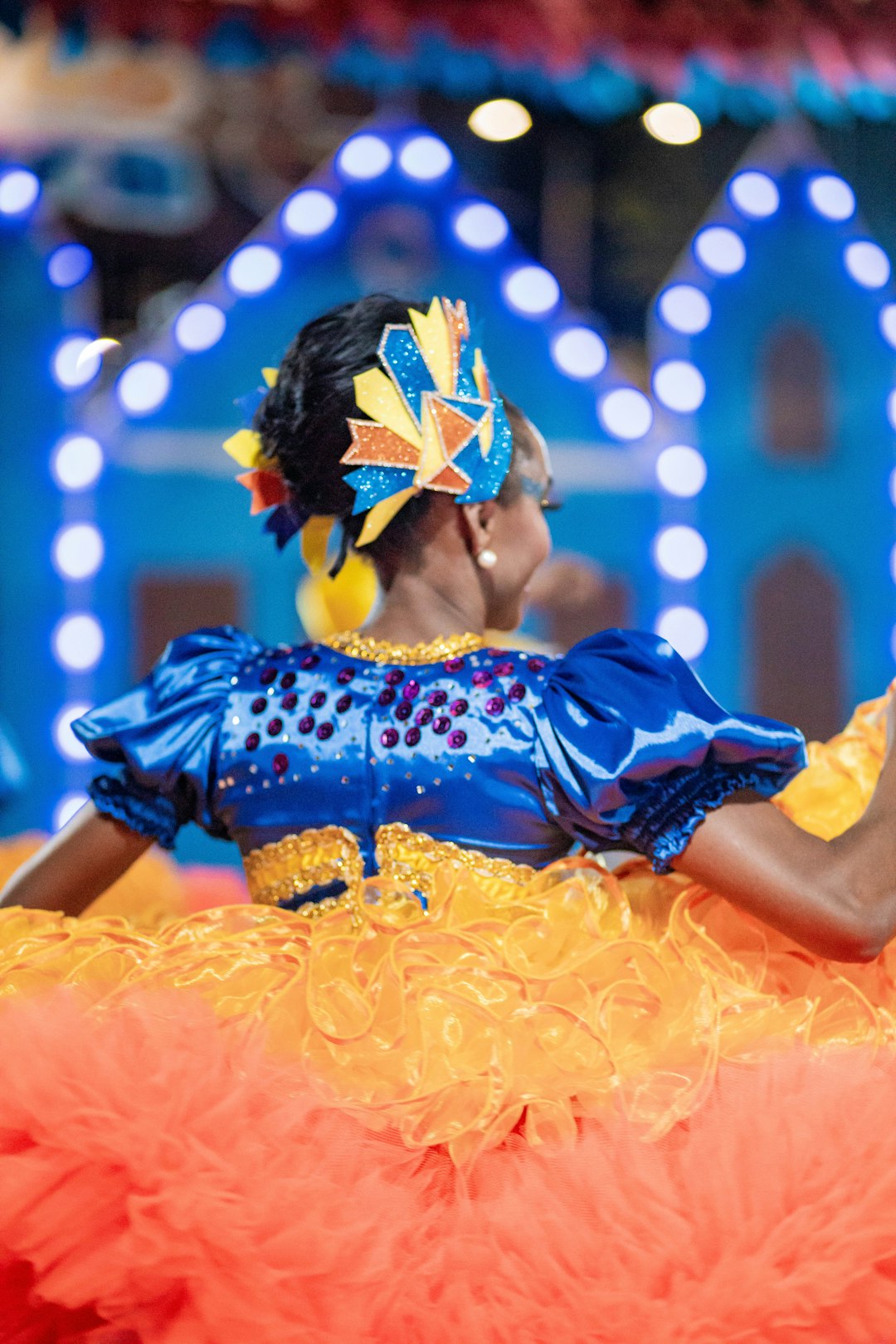
The visual language of flamenco fusion reveals tensions between innovation and tradition. The traje de flamenca—the elaborate dress worn at Seville's April Fair (Feria de Abril)—follows strict regional codes: ruffled skirts (volantes) arranged in specific patterns, fitted bodices, and mantillas or flowers indicating marital status. This garment carries social function; women commission custom dresses annually, competing in elegance within community hierarchy.
Fusion costuming operates differently. Dancers may pair contemporary leotards with bata de cola (long-trained skirts)