The Sound of Andalusia: Where Flamenco Was Born
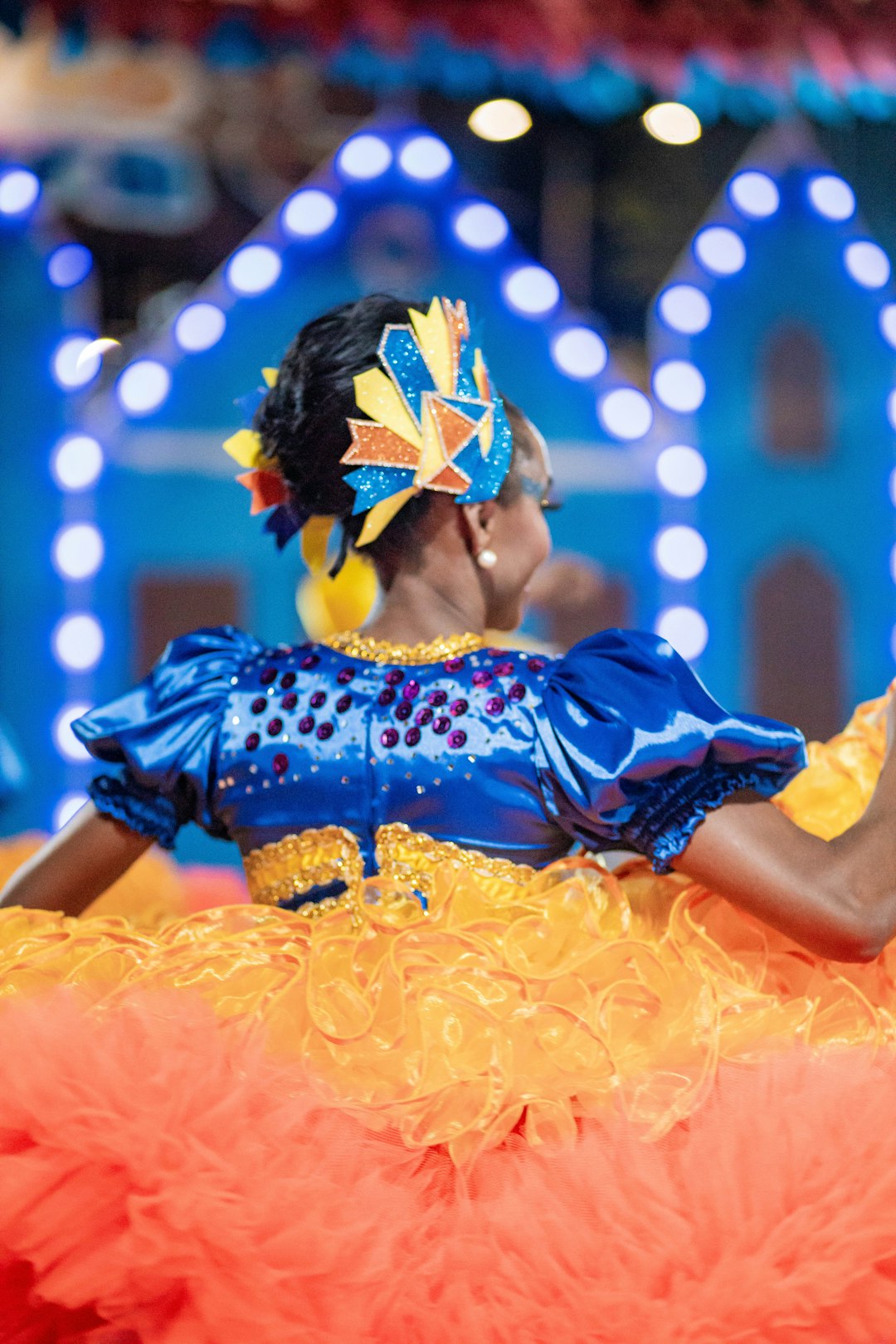
Walk into a tablao in Seville at midnight, and you'll understand immediately: Flamenco is not merely performed. It is unleashed. The guitarist's fingers blur across rosewood. The singer's voice cracks with something between agony and transcendence. The dancer's heels strike the floor like gunshots, precise and defiant.
This visceral art form emerged from the cultural ferment of Andalusia, Spain's southernmost region, where centuries of coexistence and conflict between Moors, Jews, Roma, and Catholic Spaniards created something unprecedented. Yet the familiar "fusion" narrative—Flamenco as harmonious blending—deserves scrutiny. Scholars like Faustino Núñez and Miguel Ángel Berlanga argue that Flamenco crystallized not from peaceful exchange but from marginalization: the café cantante culture of the 1860s, where displaced Roma and working-class performers forged an art of resistance in the shadows of respectability.
What is certain is that Flamenco could only have emerged here, in a land where Islamic mawwal lament, Jewish liturgical chant, and Andalusian folk traditions met the Roma musical inheritance brought from northern India centuries earlier.
The Roma Inheritance: Voices from the Margins
The Roma people—known in Spain as Gitanos, a distinct community with their own linguistic and cultural traditions separate from, though related to, broader European Roma populations—transformed Andalusian music from within. Their contribution extended far beyond repertoire.
Gitanos developed the tocaor tradition: guitar playing characterized by rasgueado strumming, alzapúa thumb techniques, and the haunting falseta—melodic interludes that interrupt and comment upon the singer's phrase. The instrument itself changed; the classical guitar gained a deeper body, lighter construction, and nylon strings (later) to accommodate Flamenco's percussive demands.
More fundamentally, Gitano performers established the cante jondo (deep song) as Flamenco's emotional core. Forms like soleá, siguiriya, and toná carry what Federico García Lorca called duende—that mysterious power that rises from the earth, through the body, to wound with authenticity. "The duende," Lorca wrote, "is a power, not a work... a struggle, not a thought." This concept, central to Flamenco aesthetics, never appears in surface-level accounts, yet it explains why a technically perfect performance without duende leaves audiences cold, while a cracked voice and stumbling feet can summon transcendence.
The Cafés and Theaters: Flamenco Goes Public
The 1860s marked a pivotal transformation. Silverio Franconetti, a singer of mixed Gitano and Italian heritage, opened the first café cantante in Seville in 1860, dragging Flamenco from private juergas—informal, often all-night gatherings where amateurs and professionals intermingled—into commercial spaces.
This "Romantic Era" brought contradictions. On one hand, theatrical presentation demanded refinement: singers developed the melisma (ornamental vocal runs) that became Flamenco's signature, while dancers like El Estampío codified the zapateado footwork into dazzling technical display. On the other, commercialization risked dilution. The cante chico (light song) forms—alegrías, bulerías—grew popular precisely because their major-key brightness suited paying audiences better than the cante jondo's existential weight.
Regional styles crystallized during this period. Cádiz developed the alegría with its maritime swagger. Granada cultivated the granaina, with its Arabic-inflected melisma. Triana, the Gitano quarter of Seville, became synonymous with the purest soleá—so much so that when the neighborhood was demolished in the 1960s urban renewal, Flamenco historians mourned the loss of an entire acoustic environment, the specific resonance of its narrow streets and courtyard gatherings.
The Golden Age and Its Shadows
The 20th century brought Flamenco to unprecedented heights—and into dangerous political territory. The Golden Age (roughly 1910–1955) saw Carmen Amaya revolutionize dance by wearing pants, adopting masculine escobilla footwork patterns, and attacking the stage with ferocious velocity that shattered gendered conventions. Guitarist Sabicas (Agustín Castellón) introduced two-finger picado runs of previously impossible speed