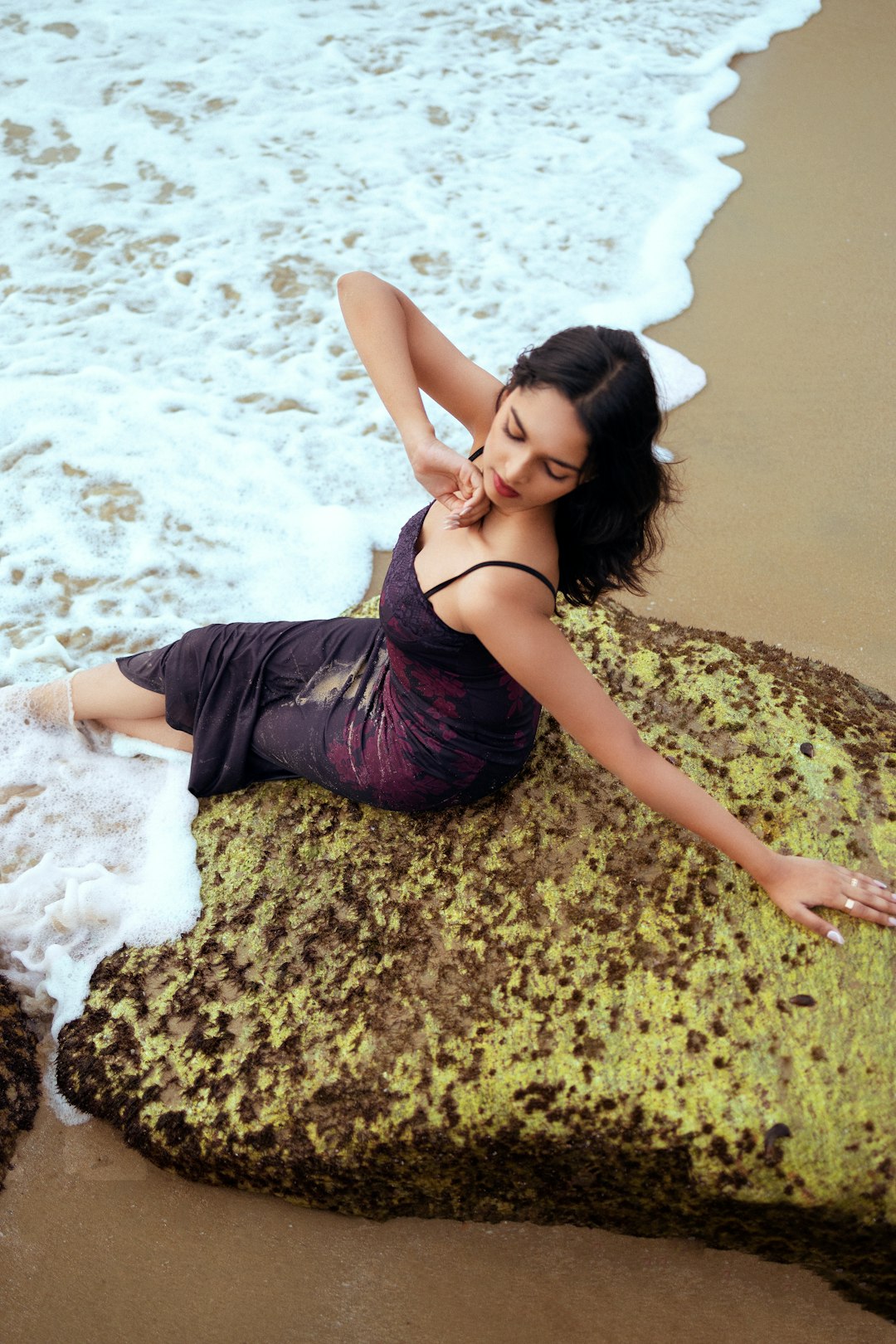
Watch a bailaora at the peak of a soleá: her face contorts not with performance but with something involuntary, ancient. This is duende—the demon of flamenco, what Federico García Lorca called "the mysterious power which everyone senses and no philosopher explains." The dance demands it. Without it, flamenco is merely steps.
A History Forged in Marginalization
Flamenco did not emerge from a single tradition. In the late 1700s, in the urban centers of Andalusia—Seville, Cádiz, Jerez—musical practices collided among communities pushed to society's edges: Romani people, descendants of Moors and Jews, and working-class Spaniards. Their intermingled songs, rhythms, and dances gradually coalesced into what we now recognize as flamenco, with the form solidifying during the 19th-century Golden Age (1869–1910).
This history of persecution and poverty is not incidental to flamenco's emotional power. The cante—song—remains the art form's origin and soul; dance (baile) and guitar (toque) developed as accompaniments. The palo forms each carry distinct emotional registers: the soleá's solemn 12-beat cycle, the bulerías' explosive celebration, the alegrías' bright 3/4 time. To understand flamenco's emotion, one must understand that it grew from voices that had little else.
The Possession of Duende
In his 1933 lecture "Theory and Play of the Duende," Lorca distinguished this force from the muse (intelligence) and the angel (formal grace). Duende, he wrote, "arises from the depths of the blood." It cannot be summoned through technique alone. A dancer may execute perfect zapateado—heels hammering the floor in precise compás—yet leave an audience unmoved. Duende requires surrender.
When present, it transforms the body. The braceo (arm work) becomes weapon and lament simultaneously. Floreo—the intricate curling of fingers—extends emotion into space. The torso maintains contrapposto, weight shifting across hips in constant tension with the feet's rhythmic assault. Nothing is isolated; everything serves the feeling.
The Body as Percussion, the Face as Confession
Technical mastery in flamenco is measured in decades, not years. A professional bailaora typically trains from childhood, internalizing rhythmic cycles so complex that a single dancer's feet can replicate an entire percussion section.
The zapateado operates within strict compás: the 12-beat soleá (accented on 3, 6, 8, 10, 12), the driving 4/4 of tangos, the syncopated urgency of bulerías. Yet within this structure, improvisation flourishes. The dancer responds to the cantaor (singer), the guitarrista, the palmas (handclaps) of fellow performers—each performance unique, each exchange charged with risk.
Most revealing is the face. Unlike ballet's disciplined neutrality, flamenco demands visible struggle. The brow furrows. The mouth opens in silent cry. These are not affectations but symptoms of genuine emotional excavation—what Lorca termed "the struggle with the angel that every artist wages with their muse."
From Café Cantante to Contemporary Stages
Flamenco has never been static. The commercial cafés cantantes of the 1860s theatricalized what began as intimate gatherings. The 20th century brought opera flamenca—orchestrated, diluted for mass audiences—and later nuevo flamenco, incorporating jazz, Latin rhythms, and electronic elements. Paco de Lucía revolutionized the guitar; Carmen Amaya shattered gender conventions with trousers and unprecedented footwork speed.
Through these evolutions, the emotional core persisted. Contemporary choreographers like María Pagés and Israel Galván push formal boundaries while honoring duende as the non-negotiable center. The art form's UNESCO designation as Intangible Cultural Heritage (2010) recognized not technique but this transmission of lived experience across generations.
The Invitation
Flamenco offers no comfortable distance. It refuses the role of pretty spectacle, demanding instead that witnesses confront what Lorca called "the black sounds"—the knowledge that beauty and suffering intertwine. Whether encountered in a tablao in Seville's Triana district or a contemporary theater, authentic flamenco leaves spectators altered.
The steps can be learned. The compás can be counted








