Your feet know the steps, your body knows the shape of the dance, but something's off. The music feels like a costume two sizes too big—loose, generic, and not quite you. I've been there, trying to force a lively Irish jig to a tune that had all the pep of a sleepy lullaby. It’s a frustrating disconnect. The truth is, folk dance isn’t just set to music; it’s born from it. The right track doesn’t just accompany your movements—it breathes life into them.
So, how do you find that perfect sonic match? It starts by forgetting the idea of “background music.” In folk traditions, the melody is often the storyteller. Think of a fiery flamenco. That deep, guttural cry of the singer, the sharp crack of the guitar—it’s not just rhythm; it’s longing, pride, and defiance all woven into sound. Your zapateado footwork isn’t just making noise; it’s answering that call. When you listen for the story in the music—whether it’s a celebratory Balkan wedding tune or a melancholic Portuguese fado—your dance stops being a sequence and becomes a conversation.
Listen Beyond the Melody: The Rhythm in Your Bones
We often focus on the tune, but the secret weapon is the rhythm. This is where your dance truly lives. A piece might have a beautiful melody, but if its underlying pulse doesn’t sync with your core movements, it’ll feel like wading through mud. Balkan music is a masterclass in this. Those odd time signatures—7/8, 11/16—aren’t just complex; they create a specific, addictive groove that your body instinctively wants to follow. Trying to force a straightforward 4/4 salsa onto a complex Bulgarian horo just won’t work. Let the rhythmic skeleton of the music guide your choice. Feel it in your chest first. Does it make you want to jump, glide, or stomp?
The Instrument Is Your Dance Partner
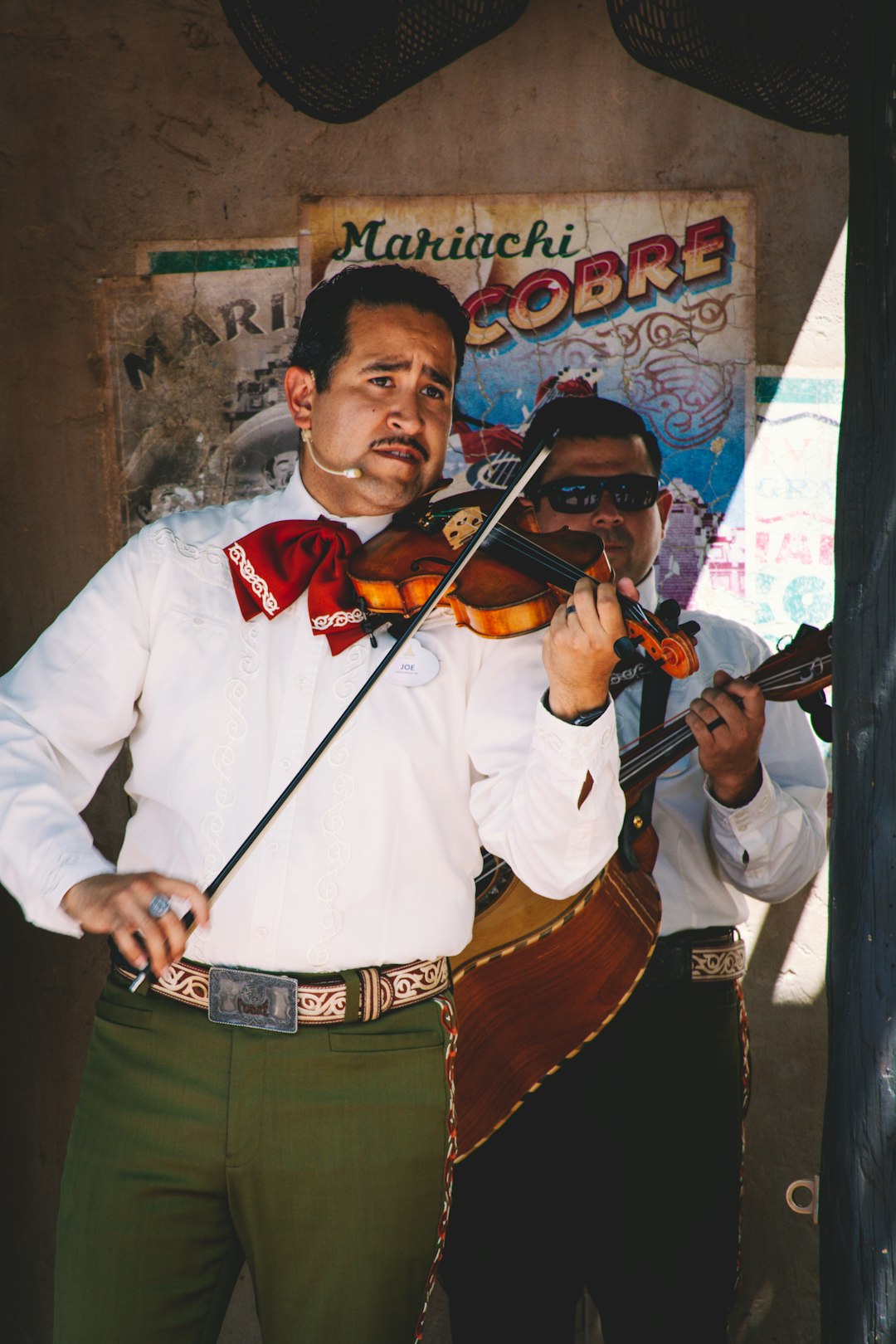
Pay attention to the lead instruments. They’re not just making sound; they’re dictating the texture and energy of your performance. A set of Scottish bagpipes (like the featured artist in our original piece) offers a continuous, droning resonance perfect for the proud, sweeping formations of a ceilidh dance. Contrast that with the sharp, percussive attack of a Greek bouzouki, which lends itself perfectly to the quick, intricate footwork of a syrtaki. Choosing music where the lead instrument “speaks” to your style of movement creates an unspoken harmony. The violin’s soar can mirror a graceful turn; the accordion’s squeeze-and-release can punctuate a sudden pause.
Tempo is a Feeling, Not Just a Number
Matching tempo is obvious advice, but it’s deeper than beats per minute. A track labeled “fast” can still feel lethargic if it’s cluttered. You need space. A good folk dance track has pockets of air between the notes, moments where your improvisation or a dramatic pause can land with impact. Listen for versatility within the song itself. Does it build? Does it have a breakdown where you can showcase a slower, more controlled movement? The best routines ride the waves of the music’s energy, not just chase its speed.
Forget hunting for a generic “folk dance playlist.” Start with the dance’s homeland. Seek out recordings by traditional ensembles, not just modern fusion covers. Let the raw, sometimes imperfect, sound of authentic instruments guide you. When you find a piece that makes your spirit stand at attention before your feet even move, you’ve found more than a tune. You’ve found the heartbeat of the dance itself. Now, all you have to do is let your body echo it.