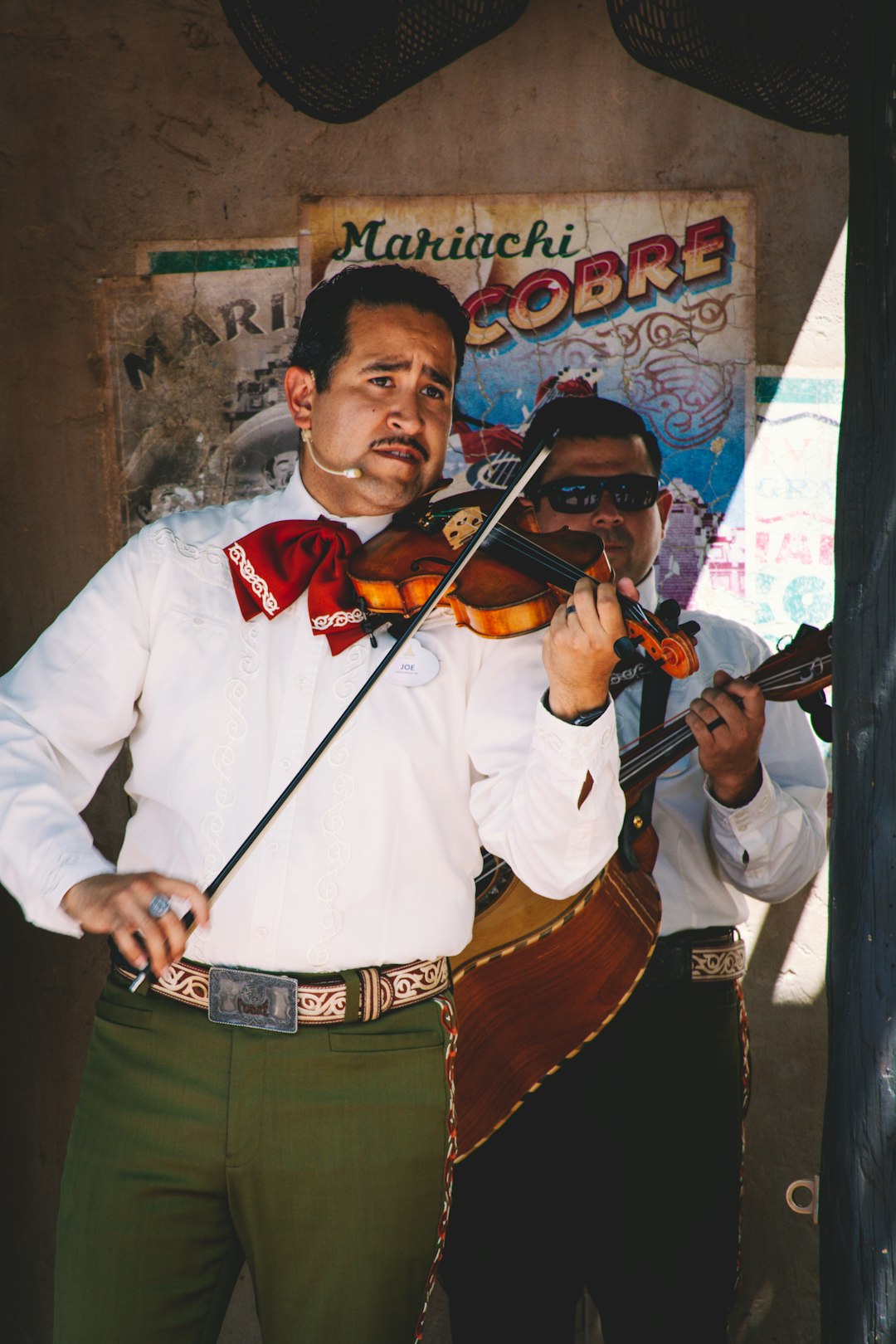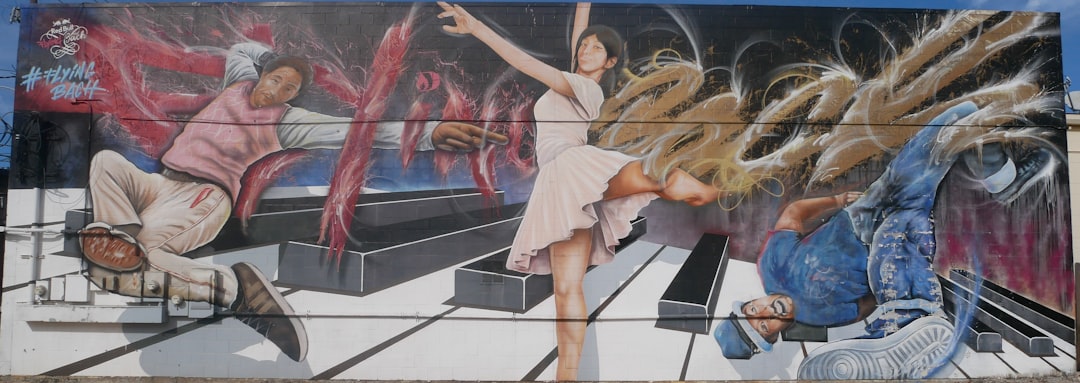
The smell of sawdust and spilled ale. The thump of a bodhrán drum against your ribs. That instant when a fiddle tune catches fire, and every boot in the room hits the floor in unison. If you’ve ever been in the thick of a folk dance, you know the music isn’t background noise—it’s the very air you breathe.
I learned this the hard way at a community hall in Galway. The band was technically perfect, every note crisp. But it felt sterile, like sheet music come to life. Then an old man with a concertina stepped in for a set. The tunes were rougher, wilder, and suddenly the room wasn’t just dancing—we were conversing with the music. That’s the secret sauce: a great folk soundtrack doesn’t just accompany the dance; it invites it to happen.
The Three-Legged Stool of Folk Music
Think of it like a sturdy stool. Wobble one leg, and the whole thing crashes.
The Rooted Leg (Authenticity): You can’t fake the soul of a tradition. Playing a Breton an dro on a synthesizer might be interesting, but it’ll feel hollow to those who know the drone of the bombarde in their bones. Authenticity isn’t about museum-piece purity—it’s about respect. It’s why a Balkan brass band can set a wedding on fire, while a cover band playing the same tunes on electric guitars might just get polite applause.
The Pulse Leg (Rhythm): This is non-negotiable. The rhythm is the dancer’s partner. A good leader knows how to shift from a steady walking tempo in a Swedish polska to the dizzying, accelerating spins of a Hungarian csárdás. The best musicians watch the dancers’ feet as much as their own sheet music, feeding energy back into the circle.
The Spark Leg (Variety): Even the most beloved reel gets tedious on a loop. The magic is in the setlist—the journey from a slow, lyrical waltz into a fiery jig. It’s the surprise of a new tune threading into an old favorite, waking up the ears and the feet. A three-hour session of identical polkas will drain even the most enthusiastic crowd.
When Tradition Learns New Steps: An Irish Example
Take the Irish céilí. A century ago, the soundtrack was almost exclusively fiddles, flutes, and the rhythmic squeeze of the accordion. The music was tight, prescribed, and brilliant for the precise group dances.
Then, in the 1960s and 70s, the folk revival hit. Bands like The Chieftains began exploring the music’s depth, while others plugged in. Suddenly, you had a drum kit providing a backbeat, an electric bass laying down a groove, and guitarists adding harmonic richness. Some purists balked.
But here’s the thing: the core lift—that irresistible, chugging rhythm of the reel—remained untouched. The new instruments didn’t drown the tradition; they gave it a louder voice, attracting a whole new generation to the dance floor. The music evolved so the dance could survive and thrive.
Your Ears Are Your Best Teacher
Forget complex theory for a moment. The next time you hear folk music, don’t just listen. Feel where it grabs you. Is it the mournful bend of a Scottish fiddle that makes your chest ache? The riotous, collective shout in a Portuguese vira that makes you want to grab a stranger’s hand?
The perfect soundtrack is a living thing. It’s the respectful nod to the past and the confident wink to the present. It’s the bass note that holds the center while the melody runs wild. It’s the shared breath between the musician’s bow and the dancer’s leap.
So, press play. Better yet, find a live session. Let the music find the pulse in your wrists, the itch in your feet. Because in folk dance, the song doesn’t just set the pace—it starts the story. And everyone’s invited to write the next line.