Feel that? It starts in the floorboards, a tremor you sense in your ankles before your ears even catch it. Then it rises—the scrape of a bow, the sharp crack of a palmas, the deep thrum of a mridangam. This is the conversation between a folk dance and its music, and it’s far more profound than simple accompaniment.
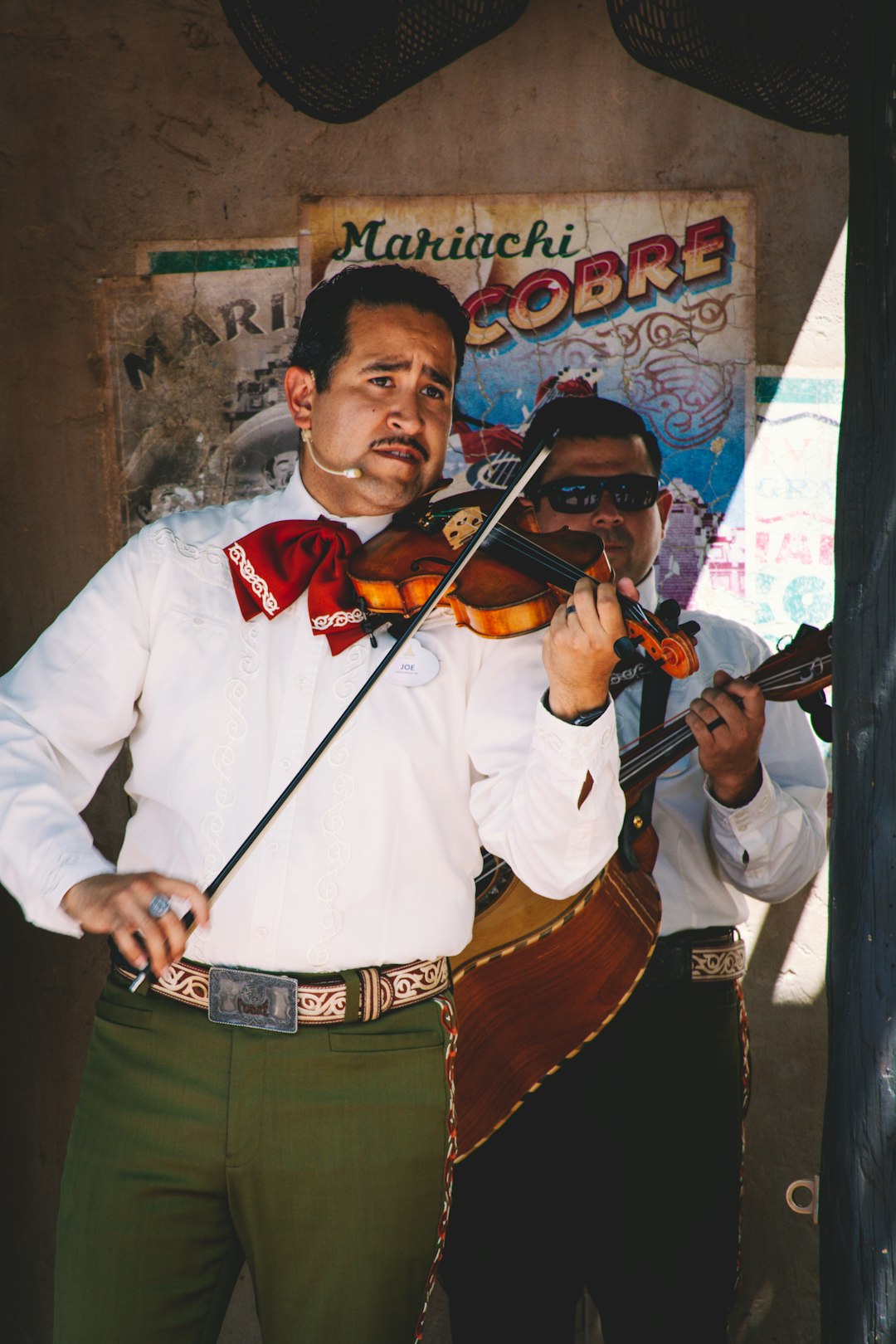
I remember watching a sean-nós dancer in a packed Connemara pub. The fiddle launched into a reel, and her feet became a blur, but it wasn't just to the music. Each crisp strike of her hard shoe was a percussion note added to the tune. The fiddle player grinned, leaning into a phrase that echoed her rhythm. They weren't in sync; they were in dialogue. That’s the magic we’re chasing.
The Heartbeat of the Homeland
Forget the idea of music as a mere backdrop. In true folk tradition, the music is the lifeblood, the narrative engine. It dictates the breath of the dance. A Scottish sword dance tells a tale of victory; the fierce, driving tempo of the pipes mirrors the warrior’s adrenaline. Conversely, a Greek kalamatianos is a communal circle of joy, its steady, rolling rhythm on the clarinet and lyra mirroring the shared steps and the Aegean waves. The music doesn't just support the story; it is the story’s pulse.
Three Conversations You Can Feel
Let’s move beyond theory. Here’s what this fusion feels like up close.
1. The Argentine Tango: A Tense, Whispered Secret.
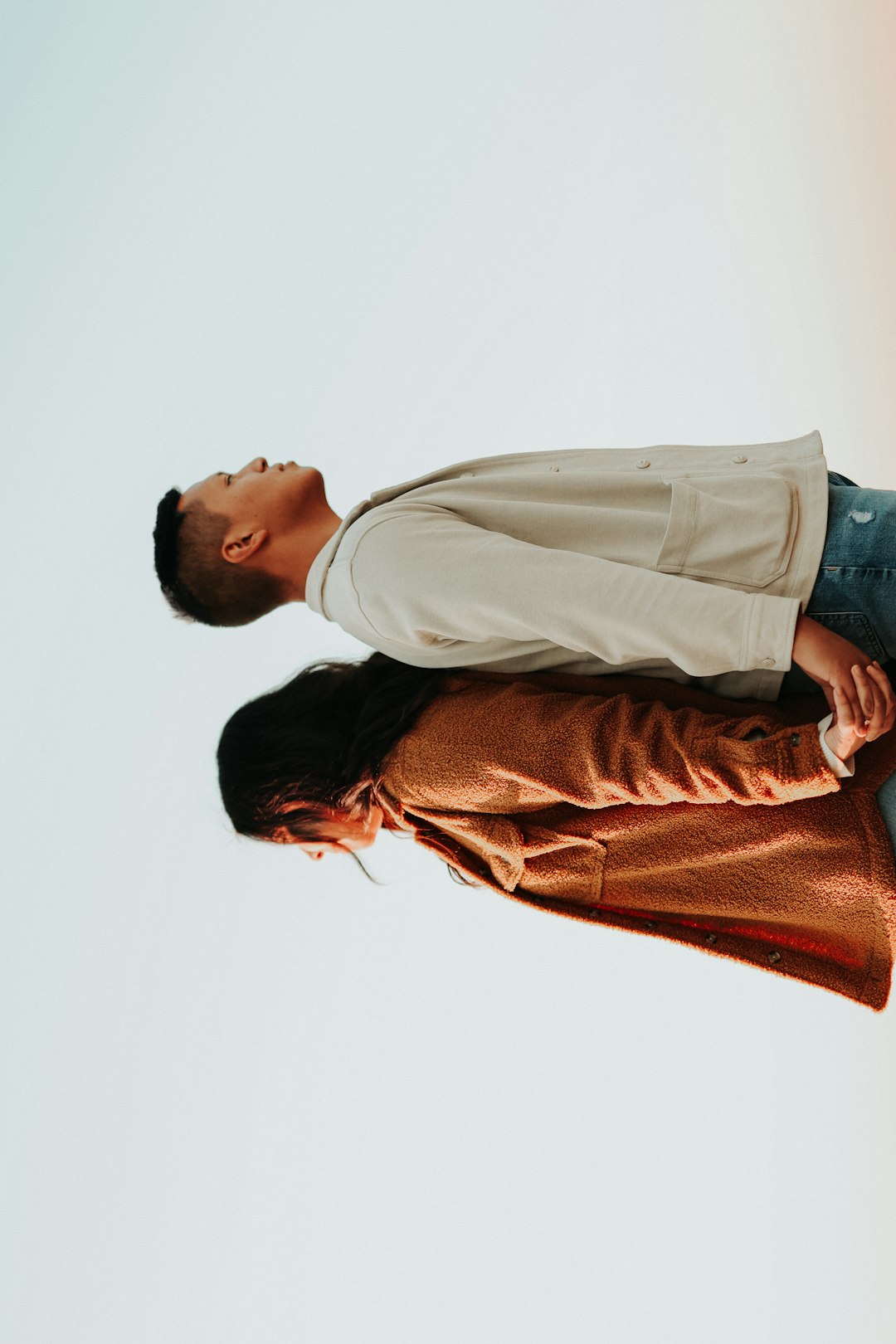
The bandoneón doesn’t just play a tune; it breathes. Its sighs and groans are the tension in a couple’s embrace, the silent push-and-pull before a sudden, sharp leg sweep. The music is a physical force—a rubato pause where time suspends, waiting for the dancer’s next calculated fall. You don’t dance to a tango; you negotiate with it.
2. The Kathakali Dancer’s Eyebrows: Carnatic Micro-Rhythms.
This is next-level sync. In Kathakali from Kerala, India, every flicker of the eyes, every arch of an eyebrow, is prescribed. The Carnatic music, with its complex tala cycles, provides the framework. The chenda drum might punctuate a heroic glance, while the singer’s melodic line traces a moment of longing. The dancer isn’t just keeping time; they are illustrating a rhythmic equation with their face.
3. The Appalachian Flatfoot: Where Fiddle Meets Floor.
Here’s a beautiful twist. In American flatfooting, the dancer often becomes another instrument in the string band. The rapid-fire heel-and-toe taps create a percussive counterpoint to the fiddle’s melody and the banjo’s roll. It’s a feedback loop of rhythm. The music inspires the steps, and the steps add a layer of gritty, joyful noise right back into the tune.
Listening with Your Soles
So how do you find that electric connection? It’s less about rules and more about listening.
Forget Counting. Try feeling the weight of the music. Is it heavy, like the ground-stomps of a Ukrainian hopak, or light and airy like the bourrée in the French Auvergne? Let that weight dictate the force in your own steps.
Hunt for the Hidden Rhythm. In a good flamenco bulería, there’s a rhythmic conversation called compás. Don’t just hear the guitar; listen for the handclaps, the singer’s shouts of “¡Olé!”, the jingle of the cajón. Your footwork is answering all of them.
Let the Melody Tell You a Story. Before you dance, just listen. Does the Irish jig melody skip like a stone on water? Does the Polish mazurka have a lingering, longing quality in its triplets? Your movement is the translation of that story into space.
This is the real secret. It’s not about perfect synchronization. It’s about call and response, about tension and release, about a shared breath between the musician’s lungs and the dancer’s calves. The next time you hear a folk tune, don’t just listen. Feel for the dance waiting in its bones. Your feet might already know the steps.