You know the feeling. Your foot starts tapping before you even realize it. A specific drumbeat or fiddle tune hits your ears, and suddenly your body just knows what to do. That’s the secret power of folk dance music—it doesn’t just accompany the steps; it whispers them to you.
Forget thinking of music as a simple background track. In folk traditions, the tune is the architect. A lively Irish reel doesn’t just suggest speed; it demands the quick, intricate footwork of a jig. The deep, resonant dumbek drum in Middle Eastern dance doesn’t just keep time; it shapes the fluid, isolating movements of the dancer’s torso. The music is the first language, and the dance is its translation.
So, what makes a tune click with a dance? It’s not about complexity. It’s about a clear, compelling pulse. Think of the unmistakable "boom-chick-boom-chick" of a Polka. That driving rhythm is a built-in guide for dancers, making the steps almost inevitable. Then there’s the emotional color. The mournful wail of a Greek clarinet in a rebetiko song paints a picture of longing, shaping the dancer's somber, grounded style. Contrast that with the joyous, accelerating strum of a sirtaki—it builds collective excitement, daring everyone to keep up.
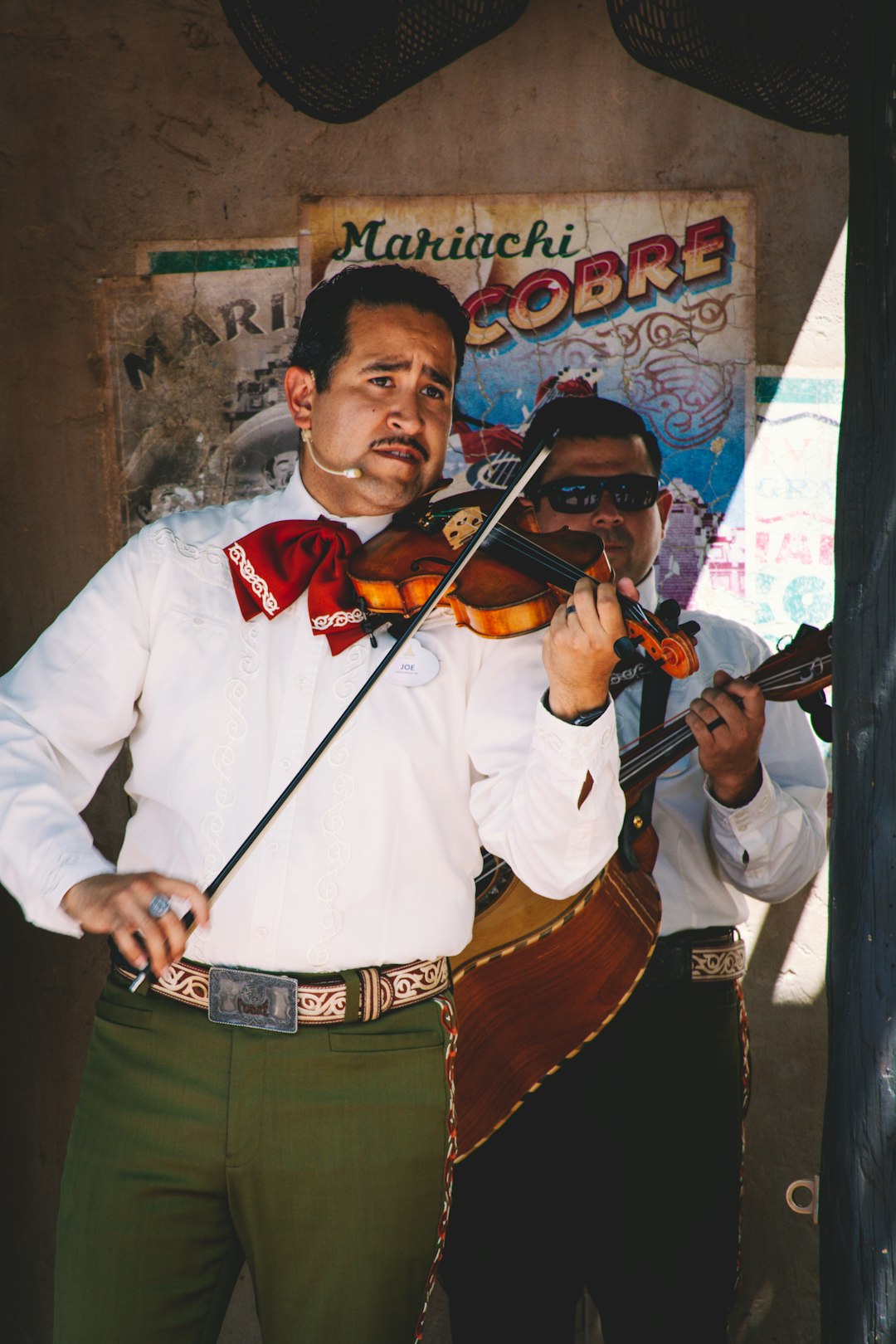
Let’s listen closer. That Spanish flamenco guitar isn’t just playing a melody; it’s having a conversation with the dancer through intricate rhythms called compás. The singer’s raw cry (el jaleo) punctuates the performance, and the hand claps (palmas) are a heartbeat everyone shares. Move to Hungary, and the frenetic violin runs of a csárdás tell the dancers when to spin slowly in a graceful hold and when to whip into a wild, boot-stamping frenzy. The music is the narrator.
Choosing music for a performance isn’t about picking a "folk-sounding" playlist. It’s about respecting a story. If you’re dancing a Punjabi Bhangra, you need the explosive energy of the dhol drum—it’s the soul of the harvest celebration. Using a generic upbeat track would be like telling the story without its main character. Authenticity matters because it honors the joy, the struggle, or the ritual baked into the original sound.
The next time you hear a folk tune, don’t just listen. Let it seep into your bones. Notice where it makes you want to move—is it in your shoulders, your feet, your hips? The best folk dancers aren’t just executing steps; they’re letting the ancient conversation between rhythm and motion live through them. The music is already playing. All you have to do is join in.