A well-constructed flamenco costume doesn't merely fit your body—it amplifies your compás and extends your braceo. Unlike fashion, where trends shift seasonally, flamenco dancewear follows conventions refined over 150 years. Yet within these traditions, strategic choices in silhouette, volante placement, and construction can flatter every dancer's unique physique while honoring the art form's cultural roots.
Whether you're preparing for your first fin de curso or building a professional wardrobe, understanding how flamenco costuming actually works will transform how you shop, fit, and perform.
1. Understand Flamenco's Core Garments
Before considering "fit" in the conventional sense, familiarize yourself with how flamenco costumes are constructed. Unlike Western dresses, traditional flamenco wear comprises separate pieces that work together:
- The corpiño: A structured bodice, often boned with ballenas (flexible stays), that creates the characteristic torso line
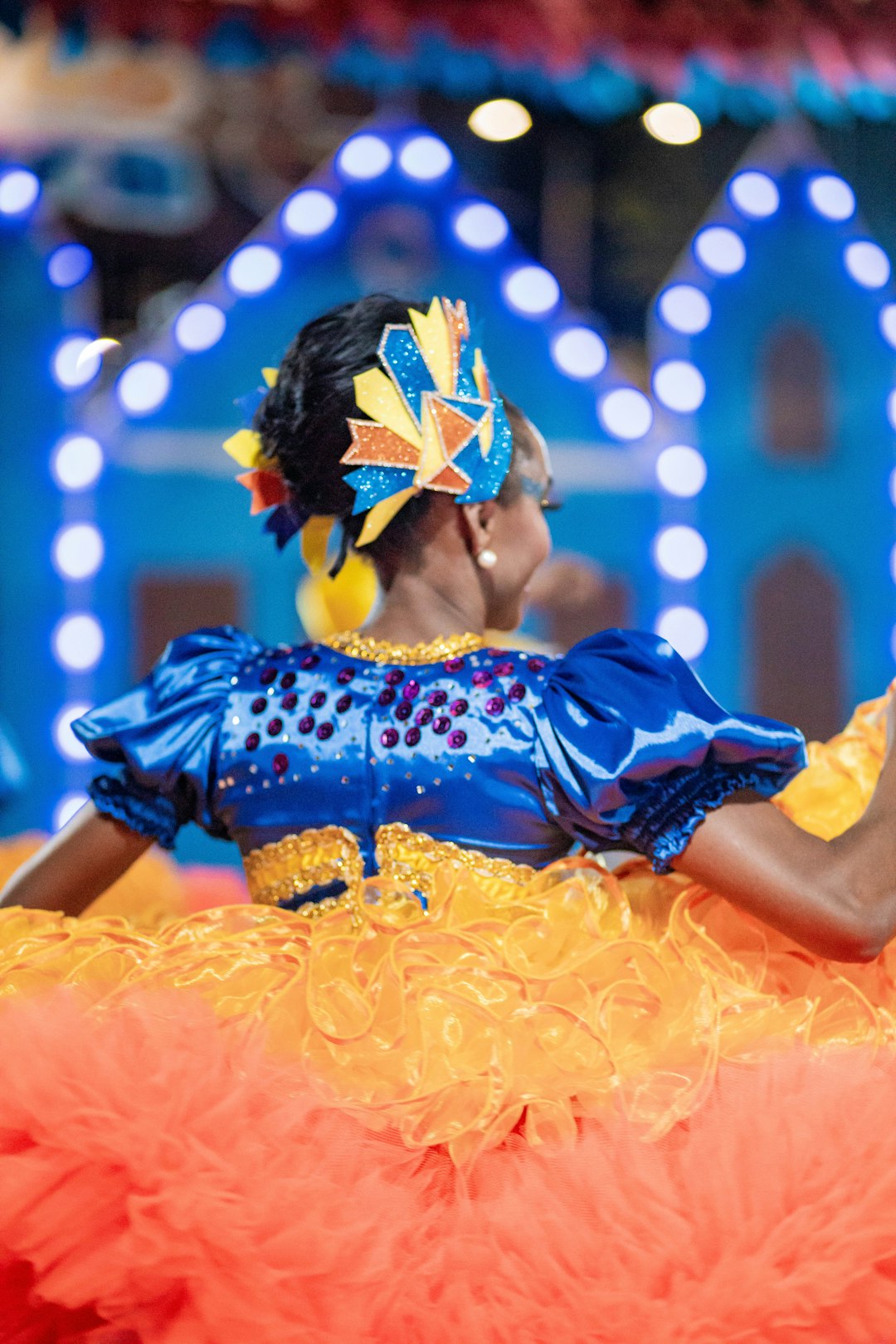
- The falda: The skirt, which may be attached to the bodice or separate, featuring volantes (ruffles) that are structurally integral—not decorative "frills"
- The bata de cola: A long-trained variation of the falda used in certain palos (styles), requiring specific technique to manage
- The enagua: Petticoats or underskirts that create volume and determine how the fabric responds to your movement
This modular construction means you're not simply "buying a dress." You're assembling a system where each element affects the others.
2. Address Flamenco-Specific Fitting Challenges
Rather than applying generic body shape categories, consider how traditional construction interacts with your physique:
Bodice and Shoulder Fit
The corpiño's armhole placement causes gaping for dancers with broader shoulders or fuller busts. Solutions include:
- Off-shoulder (escote barco) styles that eliminate armhole tension entirely
- Variations in manga (sleeve) construction, from cap sleeves to three-quarter length, which redistribute fabric tension
- Adjustable lacing (cordones) at the back, found in higher-quality costumes, allowing customization
Torso Proportions
Traditional flamenco uses a cintura alta (high waistline) that sits at the natural waist or slightly above. This elongates the legs visually but requires precise fitting:
- Shorter torsos: Ensure the bodice doesn't extend too low, which can restrict hip movement needed for zapateado
- Longer torsos: Verify that skirt waistbands sit correctly; a too-high placement creates uncomfortable compression during deep plie-like positions
Height and Skirt Proportions
The falda's volume can overwhelm petite frames or underwhelm taller dancers:
- Petite dancers: Consider fewer tiers of volantes or a falda without bata de cola for daily practice; the reduced weight allows quicker directional changes
- Taller dancers: Standard volante spacing may appear sparse; seek costumes with additional tiers or deeper ruffles
- All heights: For bata de cola, train length should correspond to your height and strength—managing excess fabric disrupts compás
3. Match Construction to Movement Requirements
"Fit" in flamenco encompasses how the costume performs with you. Consider your technical demands:
For Rapid Zapateado and Turns
- Lighter fabric weights (crepe or lighter piqué) respond quickly to footwork
- Reduced enagua layers prevent the skirt from continuing to spin after you've stopped
- Snug but not restrictive bodice—excess fabric at the waist interrupts the visual line of torso-hip isolation
For Bata de Cola Work
- Heavier fabric (silk faille, substantial piqué) provides the weight needed for controlled train manipulation
- Structured enagua with hoop or corded hem helps the train follow your intention
- Secure bodice fit essential—the physics of train work transfer torque to your core
For Brazos and Braceo
- Sleeve construction affects arm visibility: Tighter sleeves or sleeveless designs keep the focus on hand and arm articulation; flowing mangas become part of the movement itself
4. Select Length and Formality with Purpose
Length choices carry stylistic and practical weight:
| Length | Traditional Context |