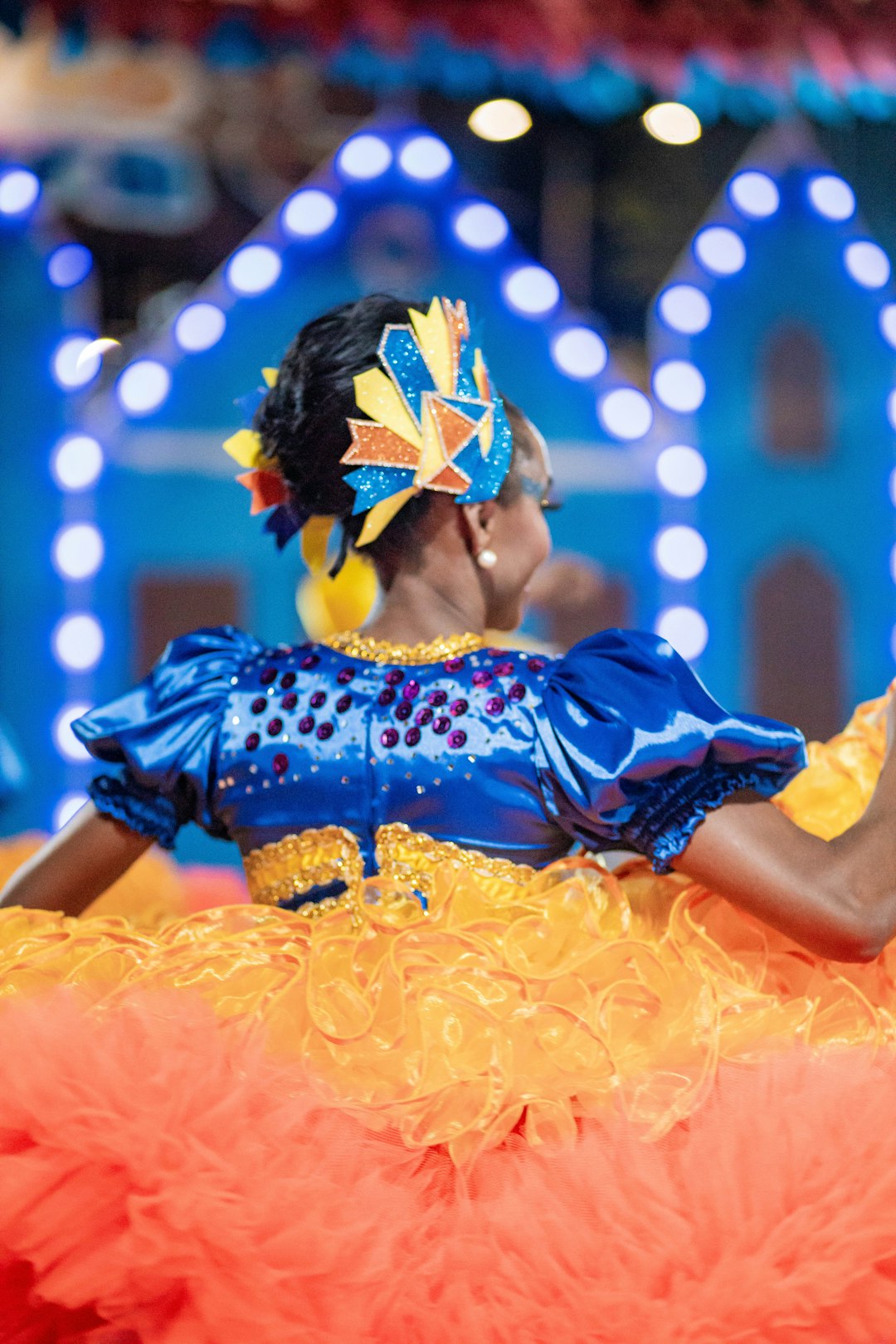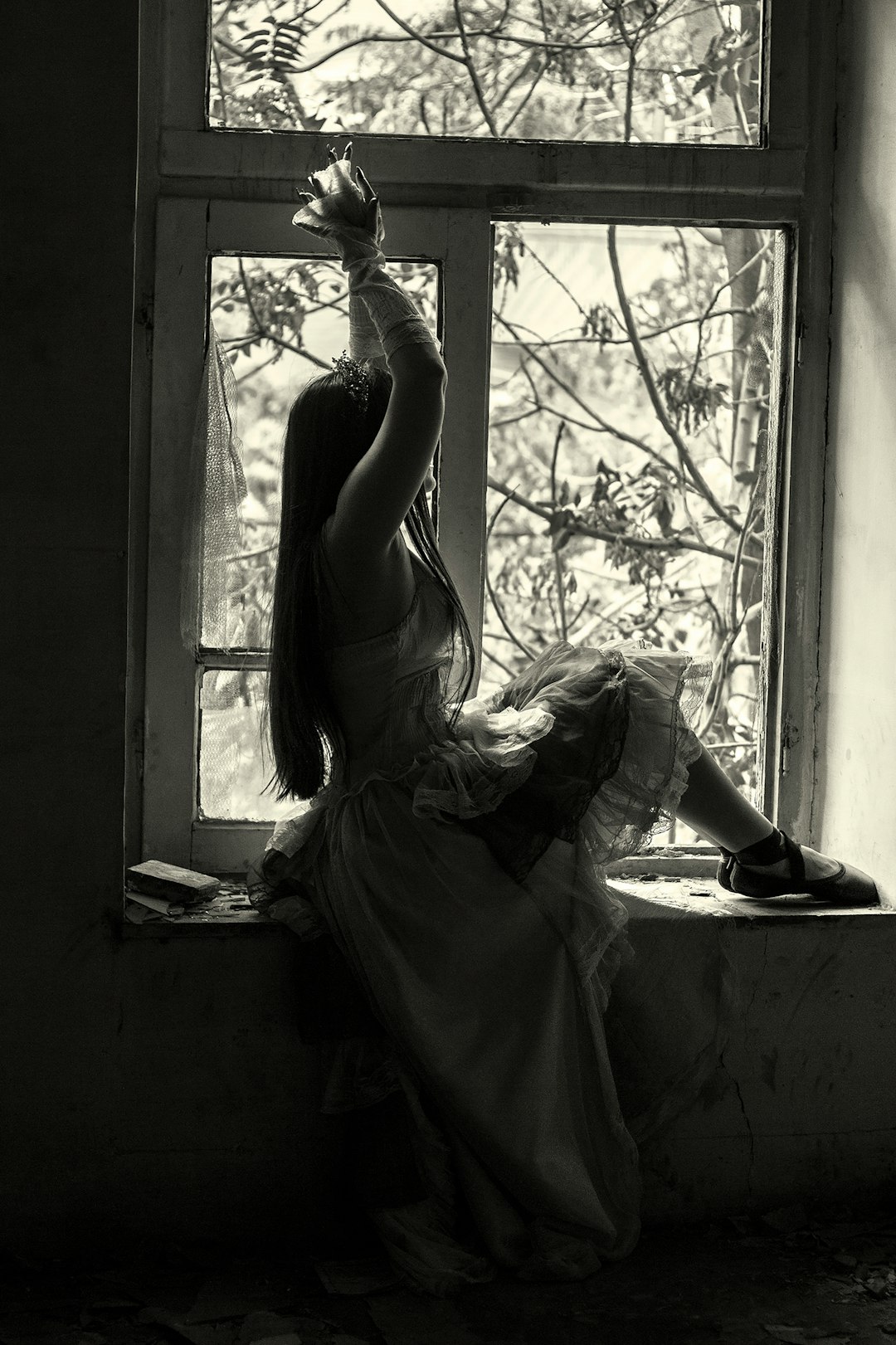
The bata de cola snaps like a whip. The falda blooms in a vuelta. In Flamenco, the costume isn't decoration—it's percussion, architecture, and storytelling woven into fabric. Whether you're stepping into your first class or preparing for a tablao debut, your outfit shapes every llamada and desplante.
Rooted in Andalusia's cultural crossroads—where Romani, Moorish, and Spanish traditions converged—Flamenco dress evolved alongside the art's three pillars: cante (song), toque (guitar), and baile (dance). From Seville's ornate gitana style to Jerez's earthier aesthetic, regional variations still influence how dancers dress today. This guide moves beyond generic advice to give you practical, culturally-grounded guidance for every stage of your Flamenco journey.
Understanding Flamenco Attire: Essential Terminology
Before diving into selection criteria, familiarize yourself with core components:
| Term | Description |
|---|---|
| Bata de cola | The iconic trained dress with a 3-6 meter cola (train), reserved for advanced dancers |
| Falda | Circular skirt, often with volantes (ruffles), worn with a body (leotard) for practice or performance |
| Body | Form-fitting leotard base, typically in black or matching the skirt |
| Zapatos | Specialized Flamenco shoes with reinforced heels and toe nails for percussive footwork |
| Mantoncillo | Small embroidered shawl worn over shoulders or manipulated as a prop |
| Peineta | Decorative comb securing the dancer's moño (bun) |
1. Comfort: Engineering Movement Into Fabric
Flamenco demands explosive footwork, sustained zapateado, and full-body extension. Your outfit must work with your body, not against it.
Fabric Selection by Purpose
- Practice wear: Stretch lycra blends (85% polyamide/15% elastane) allow shoulder mobility for brazos and won't restrict torso rotation during vueltas
- Performance faldas: Piqué cotton holds crisp ruffle structure; mid-weight (200-250 gsm) provides centrifugal force for turns without exhausting the dancer
- Summer tablaos: Breathable bambula or lightweight crepe wicks moisture during 20-minute cuadro sets
- Batas de cola: Structured raso (satin-weave) polyester blends maintain train architecture; avoid pure silk, which collapses and tangles
The Fit Test
Raise both arms overhead. Can you maintain this position for 30 seconds without the waistband cutting? Execute a deep plie—does the skirt ride uncomfortably? If yes, size up or adjust construction.
2. Style: Reading the Palo, Dressing the Dance
Flamenco style isn't arbitrary fashion—it's visual grammar communicating the dance's emotional register.
Traditional (Gitana) Aesthetic
Characterized by volantes (ruffles) cascading from shoulders, waist, and hem; encaje (lace) accents; and the escote (neckline) framing the collarbone. This style dominates sevillanas and festive alegrías performances. The bata de cola represents the pinnacle of this tradition, its train manipulated through bordoneo (rhythmic floor sweeping) and tirón (controlled snaps).
Flamenco Fusión and Contemporary
Streamlined silhouettes, asymmetrical hems, and minimal ruffling suit theatrical productions and cross-genre collaborations. Male dancers (bailaores) increasingly draw from traje de luces (bullfighter's suit of lights) aesthetics—fitted jackets, cropped pants, and precise tailoring.
Style by Palo
| Palo | Recommended Attire | Rationale |
|---|---|---|
| Soleá | Black or deep burgundy falda with minimal ruffles | Serious, jondo (deep) emotion; austerity honors the form's gravity |
| Alegrías | Bright red, coral, or polkadot bata de cola | Cádiz's festive palo demands visual celebration |
| Sevillanas | Traditional traje de gitana with mantón de Manila | Fair and festival context; maximum |