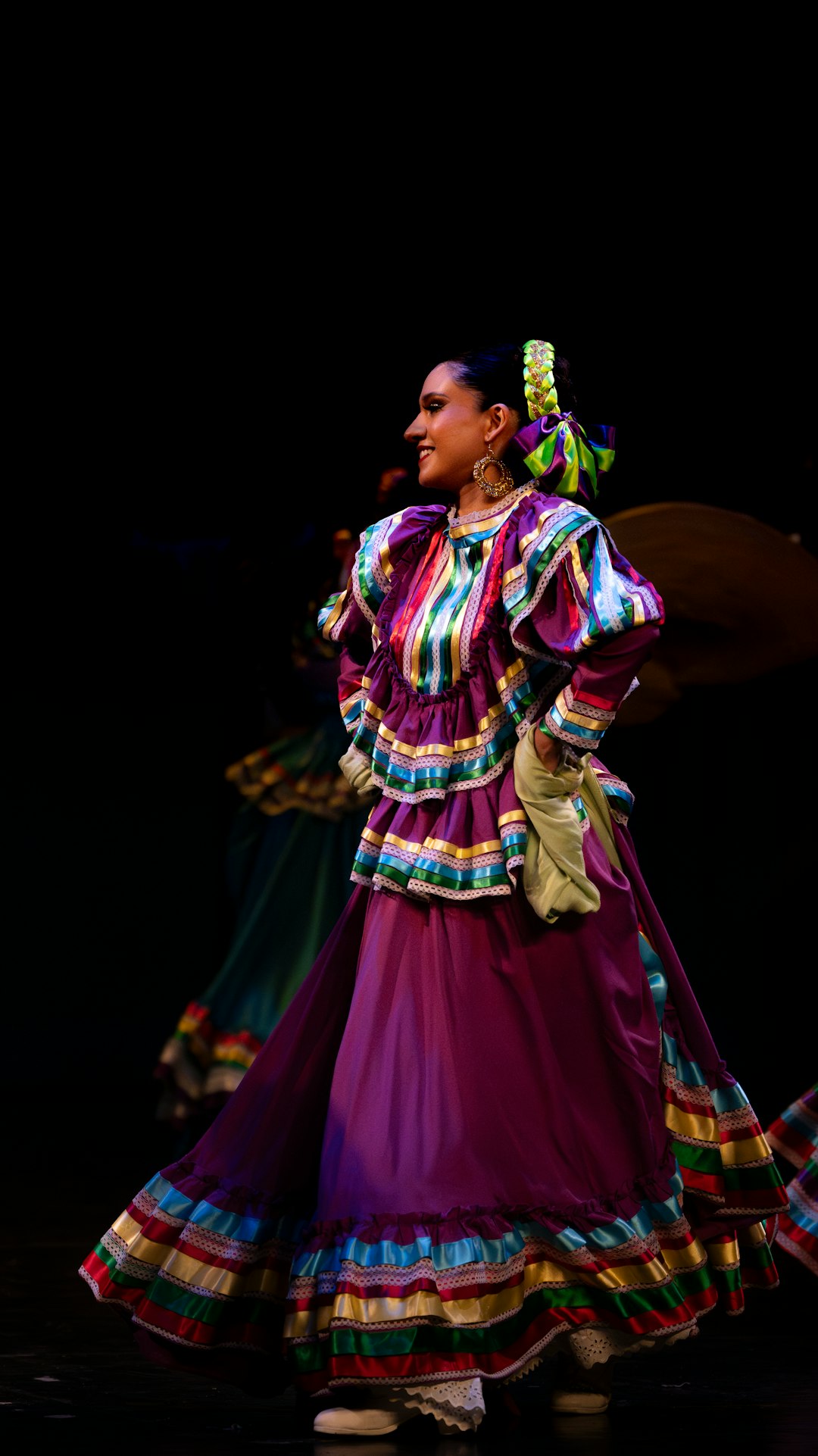
At 11 PM on a Thursday in Istanbul, a retired engineer from Ankara locks into an embrace with a visiting dancer from Tokyo. They have never met, share no common language, and will likely never see each other again. For twelve minutes—three tandas, as dancers call them—they move together through a crowded wooden floor, navigating by instinct and the pull of a 1947 Di Sarli recording. This is the tango community in miniature: improvised, intimate, and everywhere.
The Geography of Connection
The claim that tango is "global" risks becoming travel-brochure filler until you look at the numbers. TangoMap, the community's most comprehensive directory, tracks over 4,000 milongas—social dance events—across 120 countries. On any given night, dancers gather in converted warehouses in Buenos Aires, church basements in Berlin, seaside pavilions in Montevideo, and university halls in Seoul.
The distribution isn't random. Argentine tango follows patterns of migration and cultural exchange: strong in Eastern Europe where post-Soviet generations sought connection outside state structures, thriving in Finland where the long winters and social reserve found unexpected match in the dance's contained intensity, established in Japan since the 1980s economic boom created both the wealth and the loneliness that tango addresses.
What unites these scattered scenes is infrastructure that would have seemed impossible twenty years ago. A dancer landing in Lisbon at dusk can check the "Tango in Lisbon" WhatsApp group, find that evening's milonga, and be dancing by midnight. Festival organizers in Kraków livestream their marathon weekends to followers in Auckland. The community operates as a distributed network, with nodes of varying density but consistent protocol.
The Rules of Embrace
Newcomers often describe their first milonga as unexpectedly formal. There are codes. The cabeceo—the subtle head-nod invitation across the room—replaces spoken requests. Dancers enter the floor in pairs, moving counter-clockwise in the ronda. Between songs in a tanda, partners separate; after the final song, they thank each other and return to their seats.
These structures aren't arbitrary tradition. They solve problems of crowded space, unclear consent, and social anxiety. The cabeceo allows rejection without humiliation. The ronda prevents collisions. The separation between tandas lets dancers circulate without obligation. What looks like ritual from outside functions as practical architecture for strangers to touch safely.
"The first time someone explained that I could say no just by not making eye contact, I felt something unlock," says Maria Chen, who started dancing in Vancouver and now organizes events in Taipei. "I'd spent years in social dance scenes where refusing a partner required verbal confrontation. This was different."
The Friction Beneath the Warmth
The community's self-image as universally welcoming deserves scrutiny. Traditionalists debate the intrusion of neo-tango and electronic music into milongas. Gender imbalances persist—leaders still outnumber followers in many scenes, creating awkward chair rotations and competitive dynamics. Queer tango movements have emerged partly in response to the heteronormative structure of traditional roles.
And every beginner learns the particular vulnerability of the crowded floor: navigating three feet of space while trying to remember which foot goes where, hyperaware of the experienced couple gliding past. The learning curve is steep. Progress plateaus for months. Some dancers never break through to the flow state that justifies the effort.
Yet these tensions rarely fracture the whole. If anything, they generate the passionate arguments that prove people care. Debates about musicality and technique continue in Facebook groups with thousands of members. Regional rivalries—Buenos Aires purists versus European innovators, salon style versus nuevo—provide narrative energy without preventing actual dancing.
How to Enter
The practical path into this community has never been more accessible, though it remains stubbornly physical. You cannot learn tango entirely online. The embrace—the actual chest-to-chest contact, the shared axis, the subtle communication through pressure and release—requires presence.
Start with one class in any style. Accept that your first tango embrace will feel awkward; everyone's does. The initial months involve more mental effort than pleasure, encoding new movement patterns while managing social anxiety.
Then attend a milonga, even if you only watch. Someone will ask you to dance, or teach you the cabeceo from across the room. The community begins with that first yes.
Online resources accelerate the process. The "Tango Travel Tips" subreddit maintains crowdsourced guides to scenes in 200+ cities. TangoForge and other instructional platforms offer vocabulary breakdowns. But these supplement rather than replace the essential transaction: two bodies, one piece of music, the risk of connection.
The Persistence of Touch
In an era of mediated sociality, tango's insistence on physical presence feels increasingly anomalous. You cannot dance tango through a screen. The community