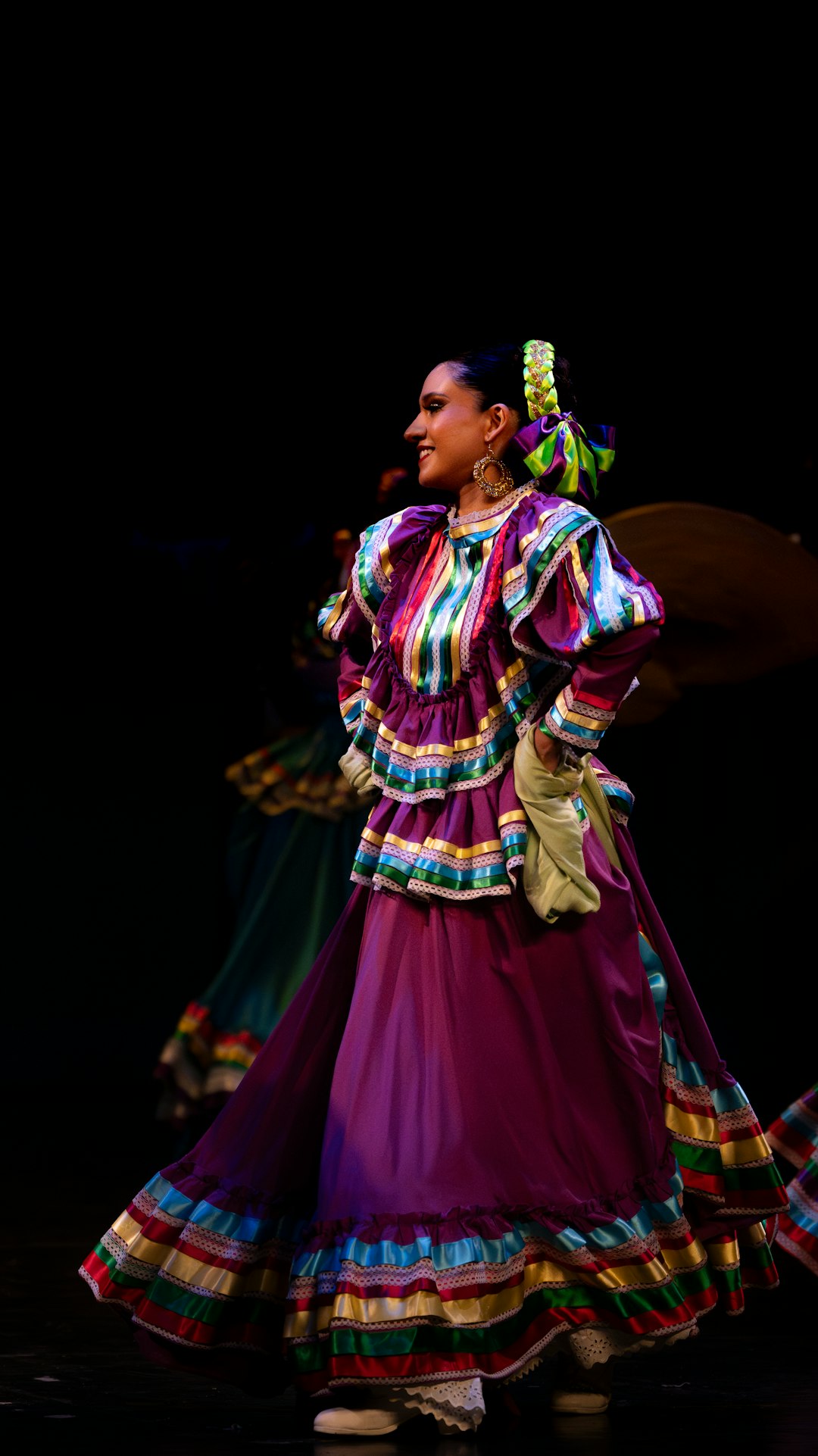
When Miguel Ángel Zotto and Daiana Guspero performed "Malena" at the 2007 Buenos Aires Tango Festival, a single audience member uploaded the clip to YouTube. Within months, it had amassed 12 million views—introducing salon tango to viewers who had never set foot in Argentina. That moment encapsulates tango's radical transformation in the 21st century: a dance born in the late 19th-century port neighborhoods of Buenos Aires and Montevideo now belongs to the world, reshaped by digital democratization, geographic diffusion, and fierce debates about authenticity.
The Digital Revolution: Technology as Tango's New Engine
The rise of social media and streaming platforms has fundamentally altered how tango propagates. Before 2000, learning tango required physical proximity to masters—typically in Buenos Aires or scattered European capitals. Today, dancers in Jakarta or Anchorage can study with world champions through structured online curricula.
YouTube democratized instruction. Channels like Adam Hoopengardner's (focusing on social dancing fundamentals), Céline Deveze's (musicality and follower technique), and Diego Benavidez's (milonga-style improvisation) have accumulated millions of combined views. These resources didn't merely replicate in-person learning—they created new pedagogical forms. Slow-motion analysis, multi-angle filming, and comment-section Q&As developed analytical skills in dancers who might otherwise have relied on mimicry alone.
The pandemic accelerated digital integration. When COVID-19 shuttered milongas globally in March 2020, tango communities faced existential crisis. The response was remarkably swift: Zoom milongas emerged within weeks, with dancers adapting their living rooms and experimenting with camera framing as a new spatial element. Platforms like TangoPartner and MyTango, launched pre-pandemic, saw exponential growth. Hybrid teaching models—combining asynchronous video courses with live feedback sessions—have persisted post-pandemic, expanding access for dancers with irregular schedules or geographic constraints.
Yet this digital expansion carries tension. Traditionalists argue that tango's essence—el abrazo, the close embrace, the shared breath between partners—cannot transmit through screens. Others counter that online resources have preserved tango during its most vulnerable period and democratized access previously restricted by cost and geography.
Global Accessibility: Who Dances Now?
Tango's geographic footprint has exploded. The Istanbul Tango Festival, launched in 2004, now draws 5,000 participants annually. Seoul's tango community, virtually nonexistent in 1995, supports over forty weekly milongas. The Portland Tango Festival in Oregon has become a North American anchor, while satellite communities thrive in Cape Town, Mumbai, and Reykjavik.
Demographics have shifted dramatically. Contemporary tango attracts oncologists in Oslo, literature students in São Paulo, and retired engineers in Taipei—professionals with disposable income and flexible schedules. This has created accessibility paradoxes: festivals proliferate globally, yet Buenos Aires's traditional milongas face gentrification pressures as tourism displaces local dancers. The iconic Confitería Ideal, immortalized in Sally Potter's 1997 film The Tango Lesson, closed indefinitely in 2020—a casualty of pandemic economics and rising real estate values.
Age distribution presents challenges. Tango retains strong appeal among retirees, who value its social structure, moderate physical demands, and romantic associations. Youth recruitment, however, lags in many markets. Some communities have responded with "tango alternative" events—late-starting milongas with electronic music, casual dress codes, and fusion elements—sparking intergenerational friction about "proper" tango culture.
Cross-Cultural Exchange: Fusion, Resistance, and Innovation
International festivals and workshops have accelerated stylistic cross-pollination, generating both creative vitality and preservationist backlash.
Nuevo tango emerged as the century's defining stylistic development. Pioneered by Gustavo Naveira, Fabian Salas, and Mariano "Chicho" Frúmboli, this approach deconstructed traditional vocabulary, incorporating off-axis movements, elastic embrace variations, and improvisational complexity previously associated with contemporary dance. Nuevo tango's technical demands attracted younger dancers and performing artists, though critics dismissed it as "gymnastics without soul."
Electrotango transformed musical possibilities. Gotan Project's La Revancha del Tango (2001) and Bajofondo's Mar Dulce (2007) introduced tango structures to electronic music production, creating soundtrack-ready hybrids that reached global audiences indifferent to traditional orchestras. Tanghetto, founded in 2001, developed a harder-edged electrotango sound that influenced both social dancing and choreographic work. These musical innovations fed back into social practice: some milongas now alternate traditional