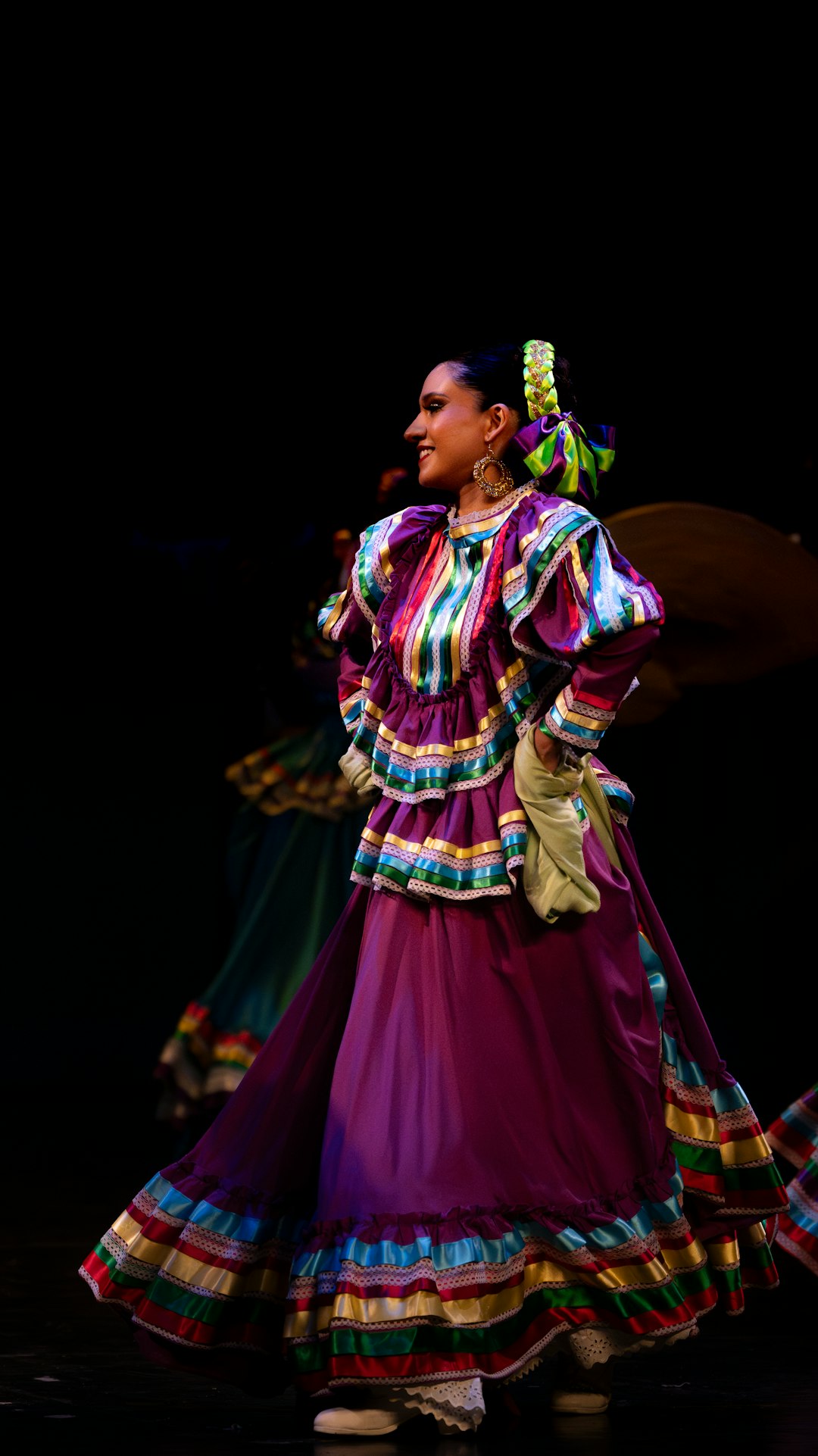
In a crowded Buenos Aires milonga, two strangers meet. They pause, adjust into an embrace chest-to-chest, and wait for the bandoneón's first exhale. Three minutes later, they separate—having shared something neither can fully articulate. An entire relationship compressed into the arc of a single tango: the hesitation, the surrender, the negotiated vulnerability.
This is not performance for an audience. This is tango's true form—social, improvised, and electrically private in public space.
From the Margins to the World Stage
Tango emerged in the late 19th century from the docks and tenements of Buenos Aires, born specifically from the collision of habanera rhythms (imported from Cuba via Spanish sailors), the polka and mazurka steps of European immigrants, the candombe drumming of Afro-Argentine communities, and the payada traditions of gaucho guitarists. It was the music of the arrabales—the city's impoverished outskirts—where working-class men danced with each other while waiting for women to arrive from Europe.
The dance nearly died. By the 1950s, political repression and changing musical tastes had driven tango underground in its homeland. Then came 1983: the Paris premiere of Tango Argentino, Claudio Segovia and Héctor Orezzoli's theatrical production, which reignited global fascination and launched the "tango renaissance" that continues today. What began in marginality, survived suppression, and returned as cultural ambassador now thrives in Tokyo, Istanbul, and Helsinki—each community adapting the form while honoring its essential architecture.
The Architecture of Intimacy
Contemporary tango encompasses distinct stylistic branches, each with different spatial relationships to the embrace. Milonguero style maintains constant chest contact, feet tracing small circles beneath the torso. Salon tango opens the embrace slightly, allowing for more complex figures—boleos (leg whips), ganchos (hooks), sacadas (displacements). Nuevo tango, influenced by Gustavo Naveira and Fabian Salas, reimagines the axis entirely, incorporating off-balance movements and unconventional geometries.
Yet all styles share one non-negotiable element: the quality of connection between partners. The embrace functions as a sensitive instrument. Leaders communicate direction through intención—subtle shifts of torso weight and chest pressure—not through arm force. Followers receive these signals through the right hand resting on the leader's back, the left hand in contact at eye level, the chests maintaining dialogue.
"The magic happens in the pauses," says Mariana Flores, a teacher at Buenos Aires' Escuela Argentina de Tango. "When both dancers stop, breathing together, listening to what the music demands next—that's where you find the tango."
Music That Demands Response
The tango orchestra, or orquesta típica, centers the bandoneón—that accordion-relative whose sound Piazzolla described as "a sigh that can become a demand." Its push-pull dynamics mirror the dance itself: tension and release, melancholy transformed into urgent declaration.
Different orchestrals invite different physical responses. Di Sarli's recordings (try "Bahía Blanca" or "Indio Manso") demand smooth, elegant walking—caminata—with their legato phrasing. D'Arienzo's driving, rhythmic approach ("La Cumparsita," "Paciencia") compels sharper, faster footwork. Pugliese's dramatic arrangements ("La Yumba," "Gallo Ciego") build to crescendos that seem to require the entire body to respond.
The lyrics, delivered by singers like Carlos Gardel or Roberto Goyeneche, mine a specific emotional vocabulary: saudade-like nostalgia (añoranza), the wound of absence, the dignity of surviving love's failure. In "Volver," Gardel sings of returning to find everything unchanged except oneself—a sentiment that resonates through the dance's circular patterns, the way tango constantly returns to its starting point transformed.
Beyond Leader and Follower
Contemporary pedagogy has evolved beyond rigid role assignments. While traditional frameworks designate one dancer as leader (varón in early terminology, though women have led socially since tango's origins) and one as follower, these roles describe initiative rather than hierarchy.
"The leader proposes; the follower interprets," explains Berlin-based instructor Andreas Winkel. "But interpretation includes decoration, rhythmic variation, even counter-proposal. In a good tango, both dancers are composing in real time."
This negotiated interdependence creates the dance's emotional voltage. The follower who extends a gancho unexpectedly, the leader who yields to a follower's musical accent—these moments of genuine responsiveness carry