Flamenco emerged in late 18th-century Andalusia, forged at the intersection of Gitano, Moorish, Jewish, and Spanish working-class cultures. Its costume tradition evolved from practical necessity—the ruffled skirts that now signify celebration once allowed women to move freely while working—into an art form where the dress itself becomes a percussion instrument. Whether you're stepping into your first class or preparing for a professional performance, understanding flamenco attire means respecting this rich heritage while meeting the physical demands of the dance.
1. Choose the Right Fabric
Fabric selection in flamenco is never merely about aesthetics. The material must withstand rapid turns, sustained postures, and the percussive demands of footwork while maintaining its visual impact under stage lights.
Natural Fibers: Breathability and Tradition
Cotton, silk, and lightweight linen remain staples for rehearsal and traditional performance wear. These materials breathe during long rehearsals and develop character with wear. Silk falda (skirts) create the signature vuelo (flow) that follows a dancer's movements, while cotton batas de cola (long-trained dresses) offer manageable weight for beginners learning to manipulate the train.
Performance Blends: Modern Innovation
The blanket advice to "avoid synthetic fabrics" no longer holds. Professional batas de cola frequently incorporate synthetic linings to reduce weight—critical when a train extends six yards or more. Lycra and spandex blends in practice wear provide recovery and stretch for deep plie-like positions. Performance synthetics resist wrinkling during travel and maintain color saturation under harsh lighting.
Weight and Drape: The Hidden Variables
A skirt's vuelo depends on yardage and weight. A three-yard ruffle creates gentle movement suitable for alegrías; six yards generate the dramatic sweep required for soleá por bulerías. Heavier fabrics like brocado (brocade) hold shape for formal performances but exhaust the dancer quickly. Always test fabric behavior with actual movement—static drape means nothing in flamenco.
2. Understand Attire by Function
Flamenco clothing serves distinct purposes. Confusing practice wear with performance costume or festival dress leads to inappropriate choices.
Practice Wear: Foundation and Mobility
Women typically wear a circular falda (practice skirt) paired with a fitted camiseta or leotard. The skirt should reach mid-calf to allow foot visibility while providing enough material to practice vuelo technique. Men wear comfortable, fitted pants that permit deep knee bends and rapid footwork—avoiding both restriction and excess fabric that obscures leg lines.
Performance Traje: The Art of Transformation
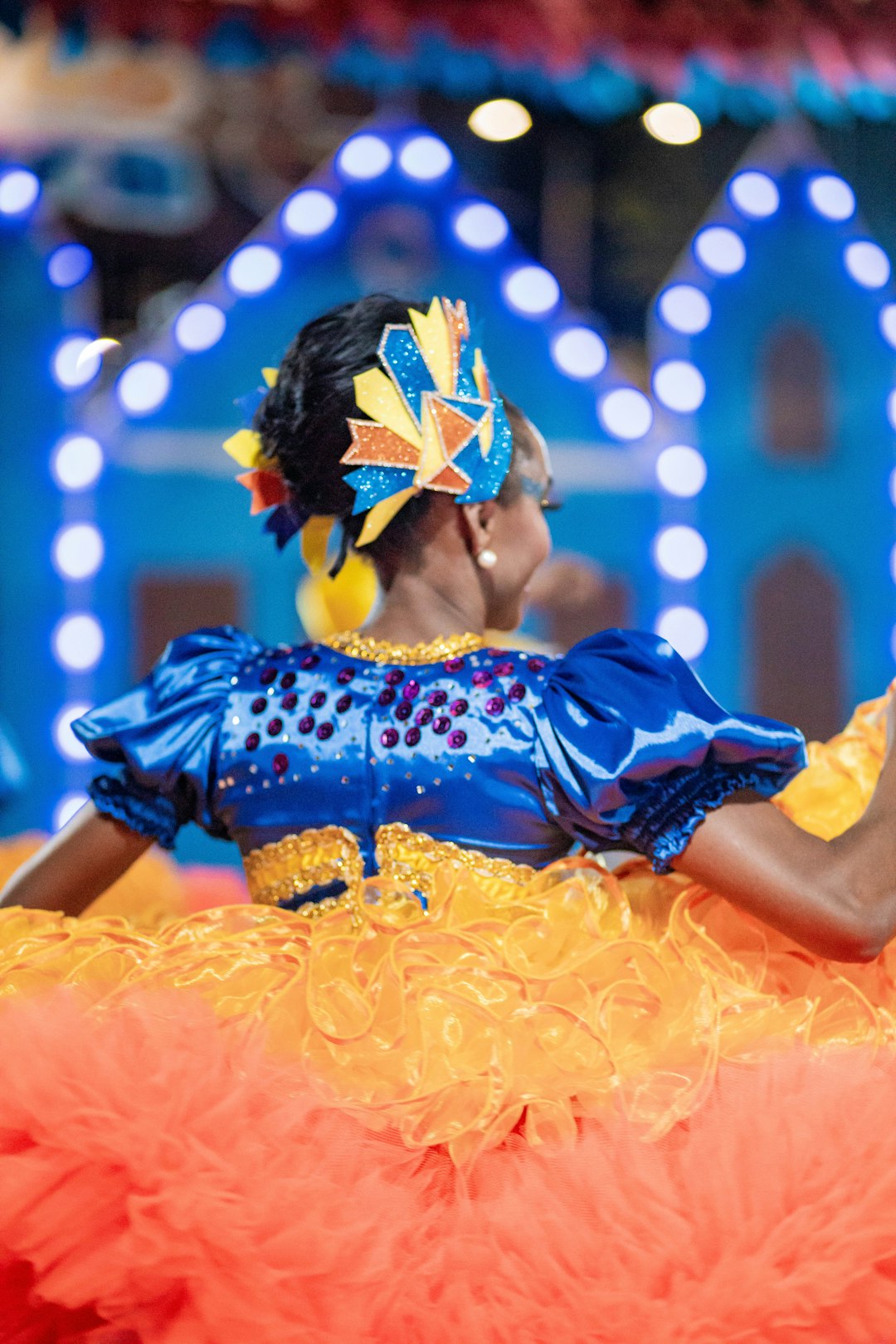
For Women: The Bata de Cola and Traje de Gitana The bata de cola—a fitted dress with an attached train extending 3–6 yards—represents the pinnacle of flamenco costuming. Mastering its manipulation (manejo) requires dedicated technique; the train becomes a partner in the dance, whipped and swirled in counterpoint to footwork. The traje de gitana offers similar silhouette without the train, appropriate for tangos and lighter palos.
Both feature the characteristic volantes (ruffles): cascada (cascade) ruffles at the skirt base, cantoneras (shoulder ruffles), and puños (sleeve ruffles). Off-the-shoulder or escote corazón (heart-shaped) necklines frame the upper body, emphasizing the braceo (arm work) that communicates so much of flamenco's emotional content.
For Men: The Traje de Flamenco Performance attire for men extends far beyond "tight-fitting pants and shirts." The formal traje de flamenco comprises fitted trousers, a vest (chaleco) or short jacket (bolero), and a camisa with gathered sleeves. The traje de luces (suit of lights), adapted from bullfighting tradition, appears in grand theatrical presentations. High collars, decorative botonadura (braid trim), and the distinctive fajín (wide sash) create the severe, elegant silhouette that balances female volante-heavy costumes on stage.
Festival Attire: Feria and Celebration
Feria de Abril in Seville and similar celebrations demand specific conventions: the traje de gitana in vibrant, often polka-dotted fabrics, accompanied by peinetas (decorative combs), mantones de Manila (embroidered silk shawls), and elaborate jewelry. These occasions blur performance and social dance