In flamenco, the dress is not merely decoration—it is an instrument. The sweep of a bata de cola (long-trained dress) punctuates musical phrases; the crack of volantes (ruffles) marks rhythmic accents. Whether you're preparing for your first tablao performance or Seville's Feria de Abril, understanding flamenco attire means understanding the dance itself.
The Traje de Flamenca: Women's Traditional Dress
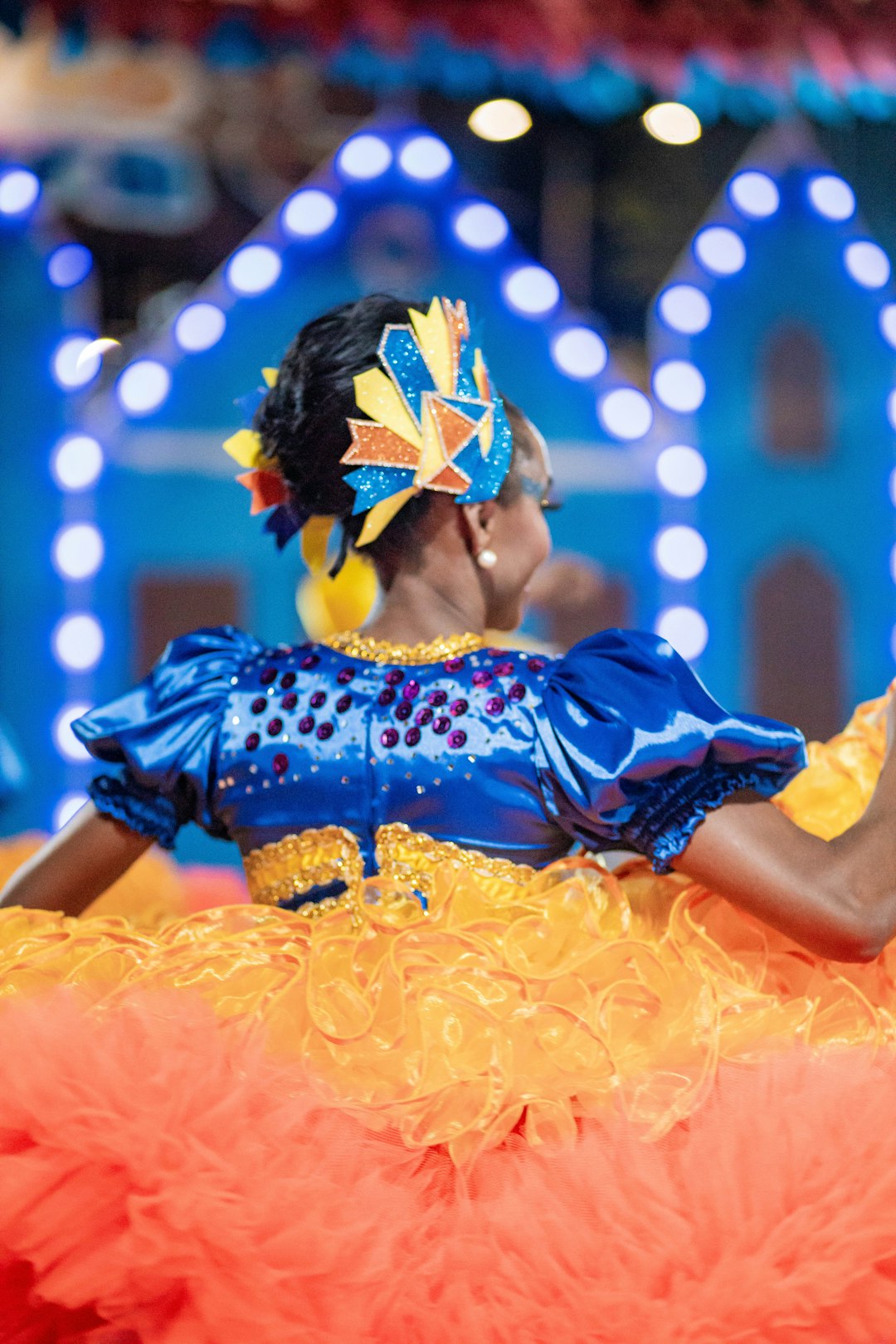
The traditional flamenco dress, or traje de flamenca, features a fitted bodice, flared skirt with cascading volantes (ruffles), and typically reaches ankle length. For professional performances, dancers wear the bata de cola—a dramatic gown with a cola (train) extending 3–6 feet, requiring specialized technique to manipulate.
Historical Evolution and Cultural Significance
What began as practical working-class dress among gitana (Roma) women in 19th-century Andalusia has transformed into haute couture. The modern traje de flamenca emerged from Seville's Feria de Abril, where annual celebrations elevated regional dress to high fashion. Today, the attire represents identity and pride—worn not as costume but as cultural expression.
Regional variations persist: Andalusian styles favor bold polka dots (lunares) and vibrant colors, while Madrid interpretations often embrace sleeker silhouettes and darker palettes.
Choosing Your Traje de Flamenca
Fit and Foundation The dress must be fitted through the torso—particularly the waist and hips—to allow clean lines while permitting the deep plie movements essential to technique. Women require specific foundation garments: enaguas (structured petticoats) provide volume, while a fajín (waist cincher) creates the characteristic silhouette.
Length and Purpose
- Standard traje de flamenca: Ankle-length, suitable for most performances and social dancing
- Bata de cola: Reserved for advanced dancers; the train demands mastery of zapateado (footwork) while managing fabric
Fabric and Pattern Traditional cotton with polka dots remains standard for practice and Feria events. Silk, crepe, and brocade elevate formal performances. Consider:
- Cotton: Breathable, affordable, authentic for daytime events
- Silk/crepe: Luxurious drape for evening performances
- Embellishment density: Heavy embroidery and sequins increase weight—factor into endurance planning
The Mantón de Manila Dancers often complete their ensemble with this embroidered silk shawl, draped over shoulders or manipulated as a prop. Despite its name (referencing its Philippine trade route origins), it is distinctly Spanish in flamenco context.
Flamenco Attire for Men: The Traje de Corto and Beyond
Men's traditional flamenco dress balances drama with restraint. The classic traje de corto (short suit) features fitted trousers ending at the calf, worn with a short jacket. For formal performance, the traje de luces (suit of lights)—heavily embroidered and sequined—commands attention.
Essential Components
Shirt (Camisa) Ruffled fronts and puffed sleeves characterize the flamenco shirt. White remains traditional, though black and deep colors appear in contemporary settings.
Trousers (Pantalón) High-waisted and fitted through the hip, flaring slightly at the thigh. Length varies by style: de corto (above calf) for traditional escuela bolera; full-length for modern tablao performance.
Waistcoat or Jacket (Chaleco/Chaqueta) Heavily embroidered in gold or silver thread, often featuring a high mandarin collar. The traje de luces extends this ornamentation throughout.
Choosing Men's Flamenco Attire
Fit and Movement Unlike the women's emphasis on structured undergarments, men's attire prioritizes unrestricted leg movement for zapateado. Ensure trousers permit full knee lift and deep squat positions without pulling.
Color Coordination Traditional palettes pair black trousers with white shirts, or full black ensembles with silver embroidery. Matador-influenced traje de luces embraces vibrant pinks, blues, and golds.
Footwear: The Foundation of Flamenco
No attire discussion is complete without zapatos de flamenco—arguably as crucial as the clothing itself.
Women's Shoes (Zapatos)
- Heel height: 4–7 centimeters, with flared Cuban heel for stability
- Construction: Hardwood heel and toe for