Flamenco emerged from the tablaos and peñas of Andalusia, where Romani, Moorish, and Spanish traditions merged into an art form of fierce precision and raw emotion. Your costume is not merely decorative—it amplifies every zapateado (footwork) and braceo (arm movement), transforming technique into visual poetry. Whether you're stepping into your first class or preparing for a professional tablao performance, understanding the distinction between practice attire and performance wear is essential.
Practice Wear vs. Performance Costumes
Before selecting any garment, determine your purpose. Practice wear prioritizes freedom of movement, durability, and comfort through hours of repetition. Performance costumes demand structural integrity, visual drama, and the ability to withstand stage lighting and audience scrutiny.
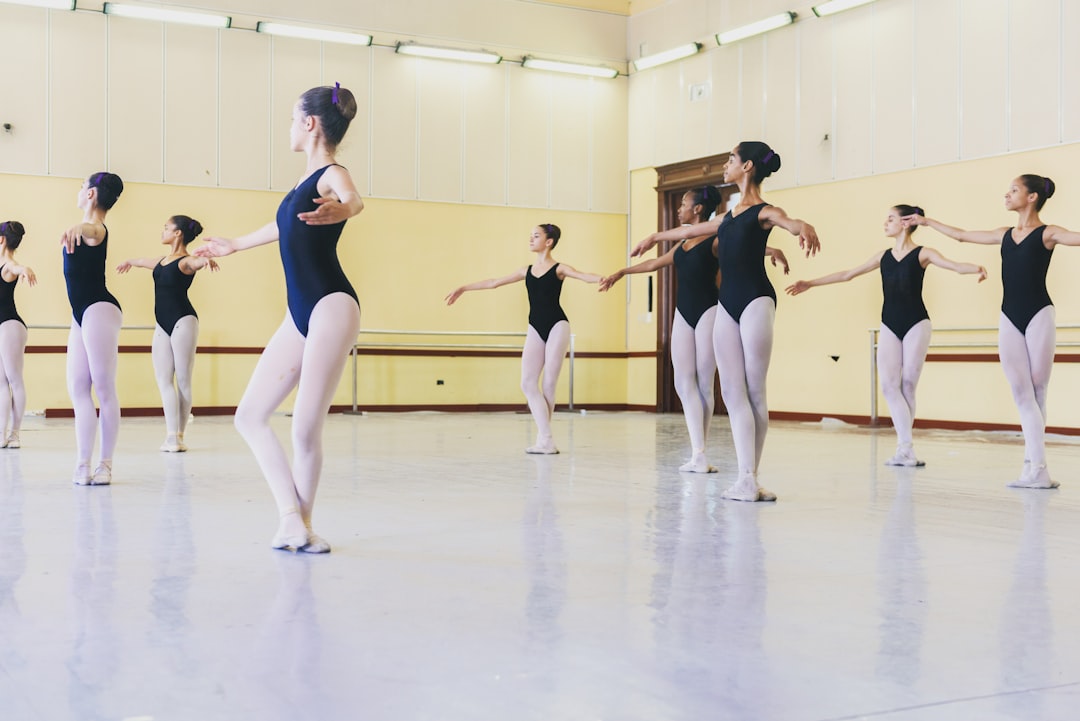
For daily classes, a simple falda (flared skirt) paired with a fitted body (bodice) or leotard suffices. Performance, however, requires the full traje de flamenca—a meticulously constructed ensemble where every ruffle placement serves choreographic function.
Choose the Right Fabric
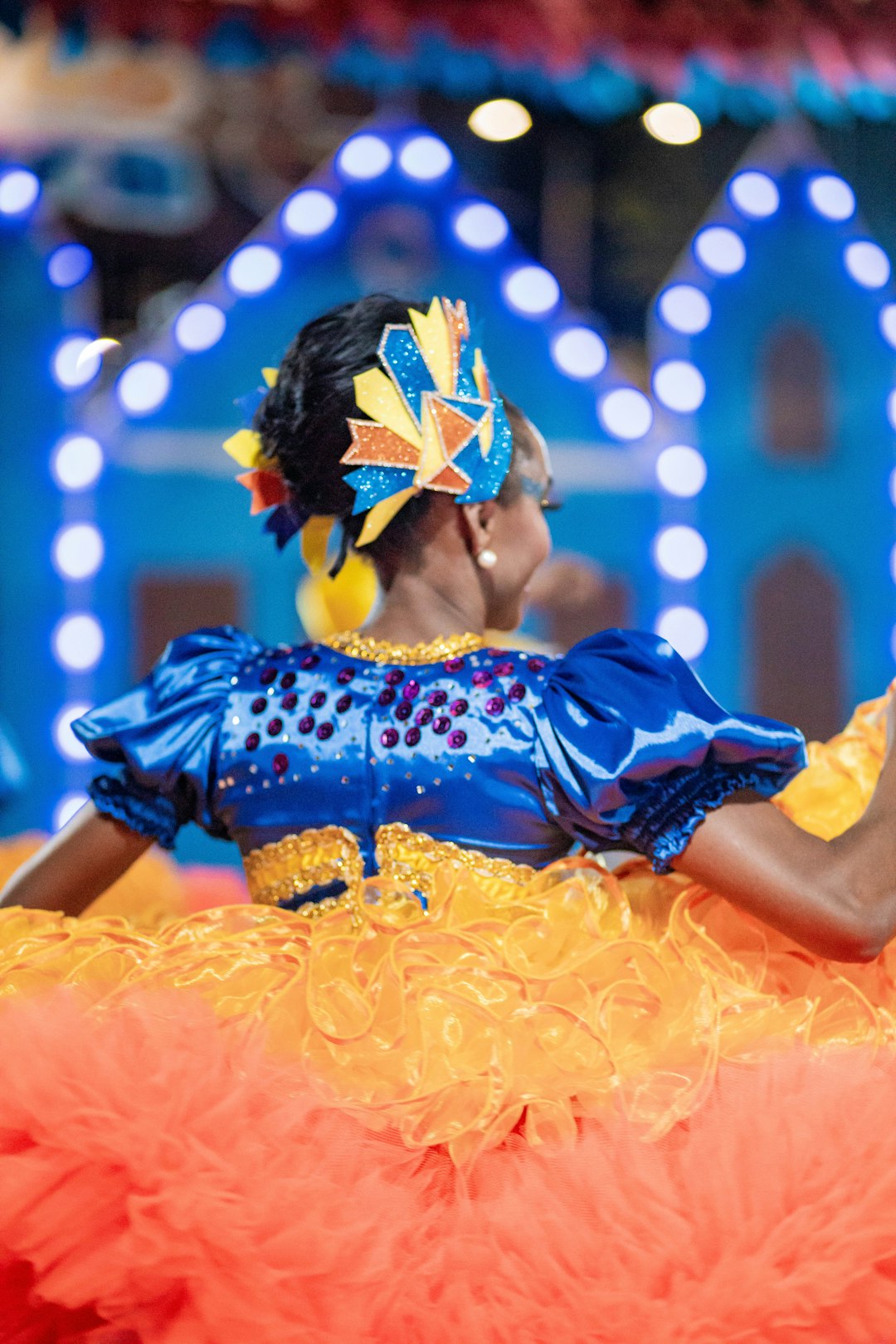
Performance trajes de flamenca traditionally use polyester crepe or georgette—fabrics that hold dramatic ruffle structure, resist wrinkling under stage lights, and create the signature rustle (ruido) that punctuates your movements. These synthetics drape with weight and authority; cotton, by contrast, wrinkles immediately and lacks the required body for volantes (ruffles) to maintain their shape during rapid turns.
For practice, lightweight jersey or breathable blends work, but understand that professional costumes prioritize visual impact over breathability. A well-made performance dress may feel warmer than street clothes—that's the trade-off for silhouette perfection.
Understand the Silhouette
Flamenco offers two primary dress categories, each demanding distinct technique:
The Bata de Cola — This long-trained dress extends three to seven feet behind the dancer, requiring mastery of bata technique to manipulate the train through zapateado, turns, and floor work. The bata creates spectacular visual punctuation but demands rigorous practice to avoid tripping or tangling. Reserve this for advanced dancers with dedicated bata training.
The Falda with Body — A separate flared skirt and fitted bodice offers versatility and easier movement. Faldas range from knee-length (corto) for sevillanas to ankle-length (largo) for formal palos. The separation allows mixing pieces for different performances and simplifies quick changes.
The placement of volantes (ruffles) carries meaning: horizontal volantes at the hem emphasize footwork; cascading diagonal volantes elongate the line for braceo; and minimal ruffling suits solemn palos like Soleá.
Select Colors for Your Palo
Flamenco color choice transcends personal preference—it communicates emotional register to knowledgeable audiences:
| Palo | Traditional Colors | Mood |
|---|---|---|
| Alegrías | Bright red, coral, sunshine yellow | Festive, triumphant |
| Soleá | Black, deep burgundy, charcoal | Somber, profound |
| Guajira | Ivory, champagne, pale gold | Elegant, languid |
| Bulerías | Black with red accents, dramatic contrasts | Playful yet intense |
| Sevillanas | White, polka dots, pastels | Celebratory, social |
Consider how stage lighting interacts with fabric sheen. Matte fabrics absorb light for intimate café cantante settings; slight sheen or lunares (polka dots) catch spotlights for large theaters. Always test your costume under performance lighting before opening night.
Invest in Proper Footwear
Your zapatos de flamenco represent the most critical investment in your dance wardrobe. Unlike other dance forms where shoes protect feet, flamenco footwear is a percussion instrument.
Heel height correlates with experience: beginners should start with 1.5–2 inch heels to build ankle strength and proper alignment; intermediate and advanced dancers progress to 2.5–3 inches for enhanced line and sound projection.
Nail placement—the metal taps on toe and heel—determines sound quality. Hand-hammered nails produce warmer, more complex tones than machine-pressed alternatives. Leather soles offer superior sound on wood floors; synthetic soles provide consistency across varied surfaces.
Break in new zapatos gradually; stiff leather causes blisters and restricts zapateado precision. Many dancers maintain separate pairs for practice (worn, responsive) and performance (structured, pristine).