The first time you step into a proper traje de flamenca, something shifts. Your spine straightens. Your shoulders drop. The weight of the ruffled skirt sways against your legs like a metronome, and suddenly, the compás—that essential flamenco rhythm—lives in your body, not just your feet.
Whether you're preparing for your first beginner class, your daughter's fin de curso recital, or a professional tablao debut, choosing the right flamenco attire can feel overwhelming. This guide will help you navigate the vibrant world of flamenco fashion with confidence, from practice wear to performance-ready masterpieces.
Know Your Purpose: Matching Attire to Your Dance Journey
Before browsing fabrics or falling in love with a dramatic bata de cola, clarify where you are in your flamenco journey. Your needs—and budget—will differ dramatically.
| Your Level | Typical Needs | Investment Range |
|---|---|---|
| Beginner | Comfortable practice wear that allows free movement | $80–$200 |
| Intermediate | First performance skirt, solid color basics | $200–$600 |
| Advanced/Professional | Custom traje de flamenca, bata de cola for professional stages | $600–$2,000+ |
Beginners should prioritize durability and comfort. Look for stretch-cotton practice skirts with elastic waists and fitted bodies (leotards) that won't ride up during intense zapateado (footwork). Performers need garments that photograph well under stage lights and withstand hours of sweat and movement.
Understanding Traditional Flamenco Attire
For Women: The Traje de Flamenca
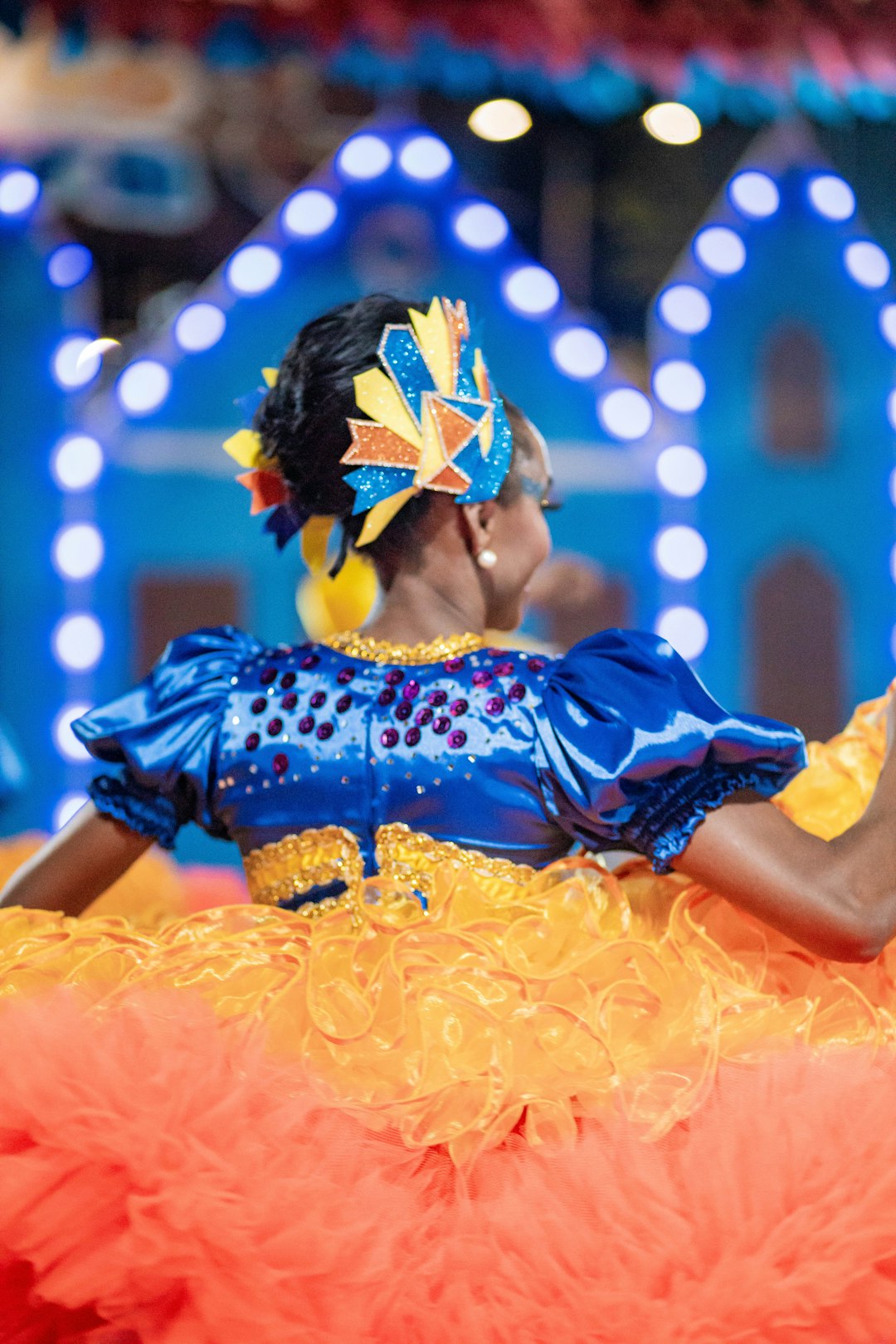
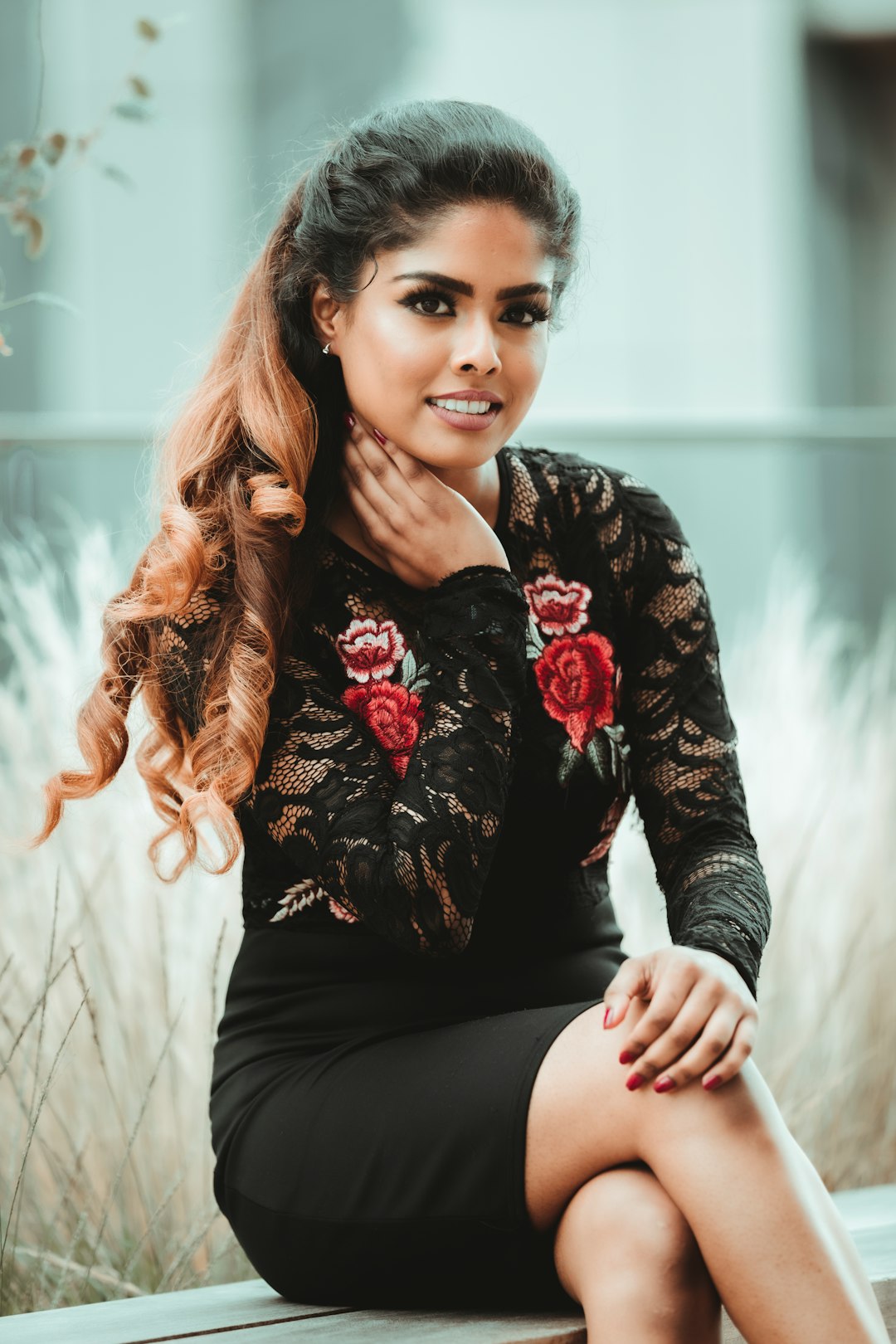
The cornerstone of women's flamenco fashion is the traje de flamenca (pronounced trah-HAY day flah-MENG-kah)—a form-fitting dress with a flared, ruffled skirt that typically falls to mid-calf or ankle.
Key variations include:
- The traje de gitana: Fitted through the hips with cascading ruffles (volantes) that emphasize hip movements. The most recognizable silhouette, featuring off-the-shoulder or boat-neck bodices.
- The bata de cola (pronounced BAH-tah day KOH-lah): A dramatic long-trained skirt worn by professional dancers. The train—often 3-5 meters of fabric—requires specialized technique to manipulate through intricate footwork without tangling.
- The falda and corpiño: Separate skirt and bodice combinations offering mix-and-match versatility, popular for practice and casual performance.
Essential underlayers: Dancers wear bodies (leotards) beneath the dress, often with enaguas (petticoats) to support the skirt's volume.
For Men: Traditional Masculine Attire
Men's flamenco fashion centers on clean lines that showcase precise footwork:
- Pantalones (pahn-tah-LOH-nays): Tight-fitting trousers, traditionally high-waisted in black or deep colors.
- Chaleco (chah-LAY-koh): A short, fitted jacket, often in velvet or brocade for formal occasions.
- Camisa (kah-MEE-sah): A ruffled or plain white shirt with fitted sleeves.
Modern flamenco fusión has expanded men's options to include flowing shirts, cropped trousers, and contemporary silhouettes—though traditional attire remains standard for sevillanas and classical performances.
Choosing the Right Fabric: Performance vs. Comfort
Traditional flamenco costumes favor heavy, structured materials that create visual impact and audible drama:
| Fabric | Characteristics | Best For |
|---|---|---|
| Brocade | Woven patterns, substantial weight (2-3 pounds per meter), creates audible swish with each turn | Professional performance, formal events |
| Velvet | Rich light absorption, dramatic drape, extremely warm | Winter performances, soleá or siguiriya (serious, weighty dances) |
| Cotton poplin | Breathable, crisp structure, easier care | Practice, beginner performance, summer events |
| Silk or chiffon | Lightweight flow, ethereal movement, less structured | Bata de cola overlays, flamenco fusión styles |
Pro tip: Many dancers layer fabrics—a cotton base for structure with chiffon volantes for movement and visual lightness.
Color and Pattern Symbolism
Flam