Flamenco emerged in the late 18th century among the Roma communities of Andalusia, Spain, synthesizing influences from Indian, Moorish, Jewish, and Andalusian musical traditions. Today, this passionate art form demands clothing that honors its cultural roots while meeting the technical demands of intricate footwork, rapid turns (vueltas), and powerful upper body expression. Whether you're stepping into your first class or preparing for the stage, selecting the right flamenco dancewear requires understanding distinct garment traditions and their functional purposes.
Understanding Flamenco Costume Types
Before choosing fabrics or colors, recognize that flamenco dancewear serves different purposes across training and performance contexts:
Practice Wear prioritizes durability, freedom of movement, and ease of care. Simpler skirts, fitted tops, and sturdy shoes allow dancers to focus on technique without worrying about damaging elaborate garments.
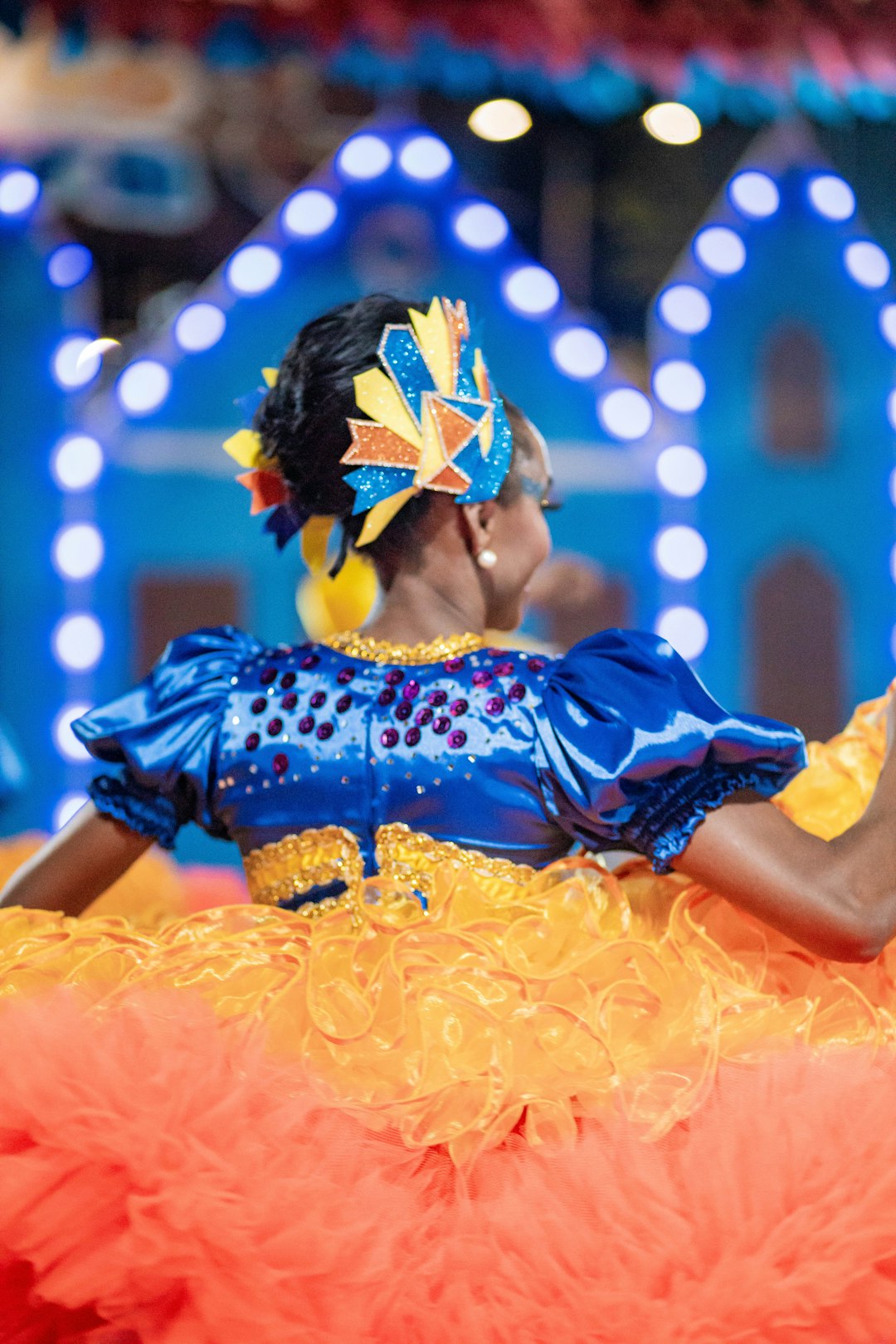
The Traje de Flamenca refers to the fitted, ruffled dress most associated with flamenco today. This silhouette crystallized in the 1920s–30s and features a close-fitting bodice, flared skirt with cascading volantes (ruffles), and often a coordinating shawl (mantón).
The Bata de Cola is a long-trained skirt worn by professional dancers for choreographed performances. Managing the heavy, flowing train requires specialized technique and represents advanced study.
Men's Traditional Attire includes the fitted camisa (shirt) with ruffles at cuffs and neckline, paired with pantalones or calzón (fitted trousers), often with a vest (chaleco) or short jacket.
Selecting Fabrics for Movement and Function
Flamenco fabric choices must balance aesthetic tradition with physical demands:
For Practice: Cotton and cotton blends remain excellent choices for breathability and ease of care. Look for medium-weight fabrics that won't cling during rapid turns or trap heat during intensive zapateado (footwork) drills.
For Performance: Modern costumes often incorporate polyester blends or silk synthetics for vibrant color saturation and structural integrity. These fabrics hold crisp ruffle shapes and resist wrinkling. Always choose lined garments to manage perspiration and prevent transparency under stage lights.
Skirt-Specific Considerations: Fabric weight directly affects movement quality. Lightweight fabrics create airy, floating effects; heavier materials produce dramatic, sweeping arcs. Avoid slippery synthetics that may cause uncontrolled spinning or fabric that rides up during bata de cola maneuvers.
Achieving Proper Fit and Silhouette
Flamenco technique depends on visible body lines and unrestricted mobility:
Women's Fit: The classic silhouette accentuates the waist and hips while allowing deep knee bends and rapid torso twists. Skirts should sit at the natural waist, with length varying by purpose—practice skirts typically fall mid-calf, while performance trajes may reach the ankle. The bodice must stay secure during arm movements (braceo) without gaping or shifting.
Men's Fit: Shirts should follow the torso closely without restricting shoulder movement for braceo. Trousers need enough length and flexibility for deep plie-like positions and floor work.
Undergarments: Dancers typically wear enaguas (structured petticoats) beneath skirts to create volume, maintain modesty during turns, and help the skirt move as a unified shape. These are essential for authentic silhouette and practical coverage.
Choosing Colors with Cultural Awareness
While red, black, and gold dominate popular imagination, flamenco color traditions are more nuanced:
Historical Context: Early flamenco was performed in everyday dress. The vibrant palette of modern costumes reflects 20th-century theatrical evolution rather than ancient tradition.
Contemporary Practice: Solid colors and polka dots (lunares) remain popular, with specific meanings sometimes attached—red for passion, black for soleá (serious forms), white for alegrías (joyful forms). However, personal expression and choreographic requirements ultimately guide selection.
Performance Considerations: Stage lighting alters color appearance; consult with instructors or directors when selecting costumes for specific venues.
Accessorizing with Authenticity
Traditional flamenco accessories carry specific names and forms:
Hair: Decorative combs (peinetas) secure hairstyles and add height. Fresh flowers (flores) or fabric alternatives are placed according to regional and stylistic conventions—typically on one side of the head.
Jewelry: Traditional flamenco earrings (pendientes de flamenca) are gold-toned, chandelier-style, and substantial enough to catch light during head movements. Rosarios (long beaded necklaces) may be worn for certain styles.
Practical Limits: All accessories must survive vigorous movement. Avoid pieces that swing into the face, tangle in hair, or create distracting noise. Secure everything