Introduction: The Soul of Flamenco in Every Stitch
Flamenco is more than dance—it's a living tradition born in the tablaos and ferias of Andalusia, recognized by UNESCO as Intangible Cultural Heritage. At its heart lies the traje de flamenca, a garment that transformed from 19th-century working-class dress to sophisticated performance art. The right attire doesn't merely decorate the dancer; it channels duende—that mysterious power of emotional authenticity that defines true flamenco.
Whether you're stepping into your first class or preparing for a professional tablao performance, understanding the cultural weight and technical demands of flamenco clothing will transform how you move, present yourself, and honor this extraordinary tradition.
Flamenco Dress for Women: Beyond the Basic Gown
The Traje de Flamenca: Structure and Significance
The traditional women's flamenco costume has evolved into two distinct forms, each with its own performance demands.
The Standard Flamenco Dress (Traje de Flamenca)
The classic one-piece or two-piece ensemble consists of a fitted bodice (corpiño) and skirt (falda), though many modern versions combine these seamlessly. What distinguishes authentic construction:
-
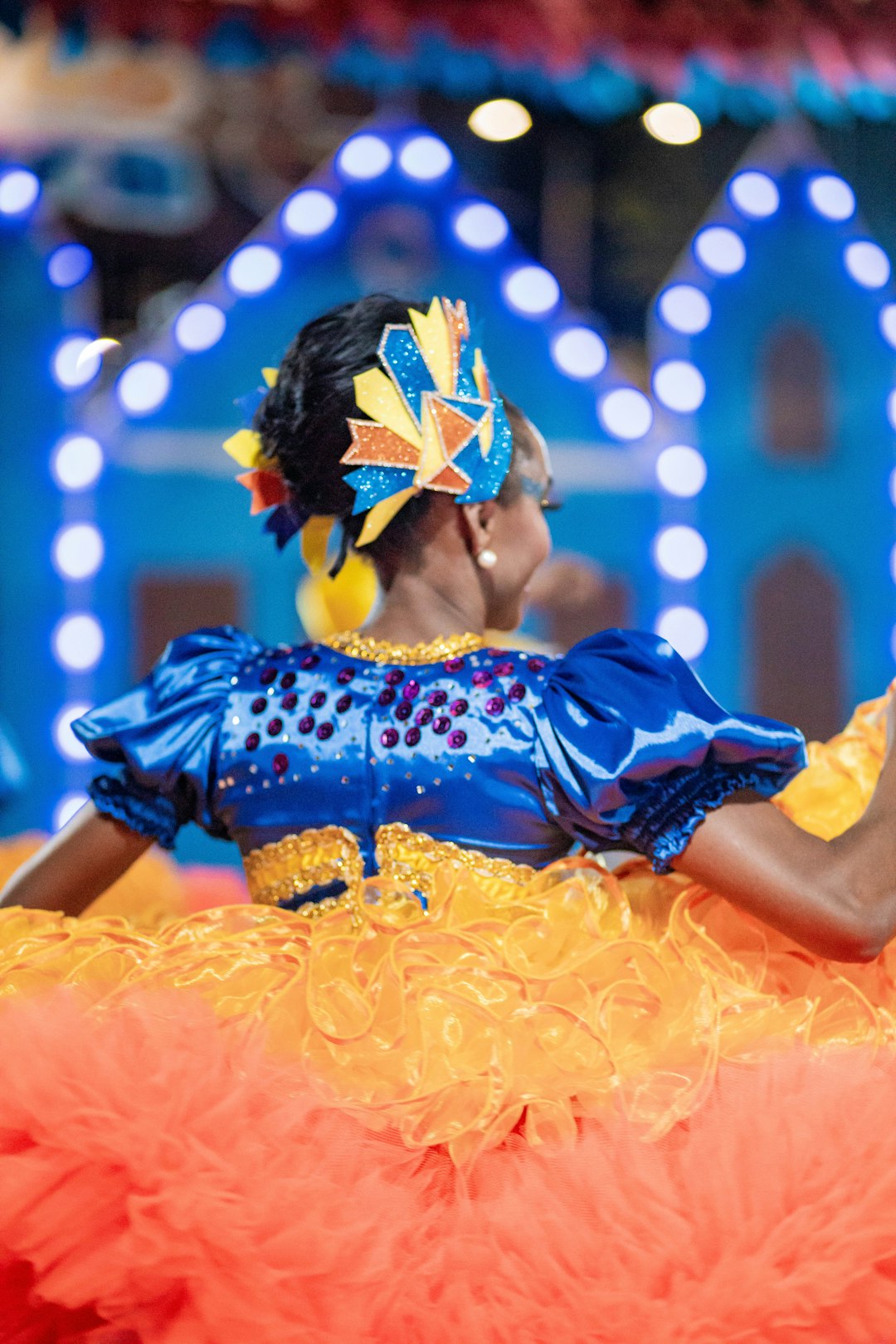
Volantes (Ruffles): These aren't merely decorative. Their number, width, and placement signal formality. Three rows of volantes suggest festive feria wear; five or more indicate performance-level sophistication. The cascade arrangement—smaller ruffles at the hip graduating to larger ones at the hem—creates maximum movement with minimum weight.
-
Fabric authenticity: Ditch the lace and tulle mentioned in tourist shops. Professional trajes employ lightweight printed cotton, silk crepe, or technical dance knits that flow without dragging you down. A performance dress can weigh 3–5 pounds; poor fabric choices double that burden.
-
Fit for function: The bodice should sit snug enough to stay in place during rapid vueltas (turns), with strategic stretch or construction give for deep, plie-like positions. The skirt flares from hip or knee—never from the waist, which creates unflattering bulk.
The Bata de Cola: Mastery in Motion
No guide to flamenco attire is complete without addressing the bata de cola—the long-trained dress that separates intermediate dancers from professionals. This magnificent garment features a train extending 3–6 feet behind the dancer, requiring specialized technique to manipulate through bordoneo (heel work) and braceo (arm movements).
Critical considerations:
- Weight: Professional batas exceed 15 pounds. Core strength and specific cola technique classes are prerequisites.
- Construction: The train attaches at the waist or hip with careful pleating that allows it to spiral and arc without tangling.
- Occasion: Reserved for soleá, bulerías, and theatrical performances—never appropriate for crowded tablaos or beginner settings.
Choosing Your Dress: A Technical Checklist
| Element | What to Look For | What to Avoid |
|---|---|---|
| Fit | Snug at ribcage and waist; skirt anchored at natural waist or dropped hip | Excess fabric that shifts during turns; elastic-only construction without boning |
| Length | Ankle-skimming for standard dress; precisely measured for bata de cola | Floor-dragging hems that create trip hazards; awkward mid-calf cuts |
| Fabric | Printed cotton, silk crepe, technical dance fabrics with 2–5% stretch | Lace, tulle, heavy satin, or anything without give |
| Volantes | Even, reinforced stitching; graduated sizing; lightweight interlining | Glued or single-stitch ruffles; excessive bulk at hips |
| Color | Deep reds, blacks, royal blues for cuadro (group) work; personal palette for solos | Neon synthetics; colors that clash with mantón (shawl) collection |
Flamenco Attire for Men: Precision in Masculine Form
Men's flamenco costume offers less variation than women's, but demands equal attention to authentic detail.
The Traje Corto: Traditional Foundation
The traje corto—short jacket ensemble—remains the standard for festero (festival) and traditional performance:
- Camisa (Shirt): Fitted through torso with characteristic chorreras—ruffled trim running down the front and at the cuffs. Sleeves are fitted, not puffed, ending in controlled ruffles that accentuate braceo without engulfing it.