The right Flamenco outfit doesn't just look stunning—it amplifies your compás (rhythm), supports your posture, and lets your bata de cola sweep the floor with precision. Whether you're stepping into your first class or preparing for a tablao performance, here's how to dress with authenticity and function.
DO: Master the Balance of Structure and Movement
Flamenco costume contradicts typical dancewear advice. Your bodice (corpiño) should fit snugly—almost corset-tight—to support the lifted chest and engaged core essential to proper técnica. Skirts need weight and structure; lightweight fabrics that cling or float won't respond to the vuelta (turn) or llamada (call) properly.
Look for polyester crepe, peau de soie, faille, or lightweight wool blends with body. These fabrics hold their shape during rapid movements and create the dramatic silhouette that defines Flamenco. The "comfort" you're seeking is supportive restriction—garments that hold your shape while allowing hip articulation and footwork precision.
DON'T: Skimp on Quality Construction
A wardrobe malfunction mid-alegría is every dancer's nightmare. Invest in well-made pieces with reinforced seams, sturdy zippers, and quality closures. Professional-grade costumes feature weighted hems in skirts to prevent flyaways and structured bodices with boning or heavy interfacing.
For practice wear, mid-range options ($80–$150 for skirts, $60–$120 for bodices) offer durability without performance-grade prices. Performance costumes from Spanish makers like Menkes or El Ajolí typically run $300–$800+, but domestic suppliers and skilled seamstresses can create comparable pieces for less.
DO: Understand Skirt Types and Their Demands
Not all Flamenco skirts serve the same purpose:
| Skirt Type | Best For | Key Considerations |
|---|---|---|
| Falda (standard circle skirt) | Beginners, practice, tangos, bulerías | Knee-to-ankle length, lighter weight, easier footwork visibility |
| Bata de cola (long-trained skirt) | Advanced dancers, soleá, guajira, theatrical performance | Requires 3–6 meters of fabric, weighted train, mastery of bata technique to avoid stepping on hem |
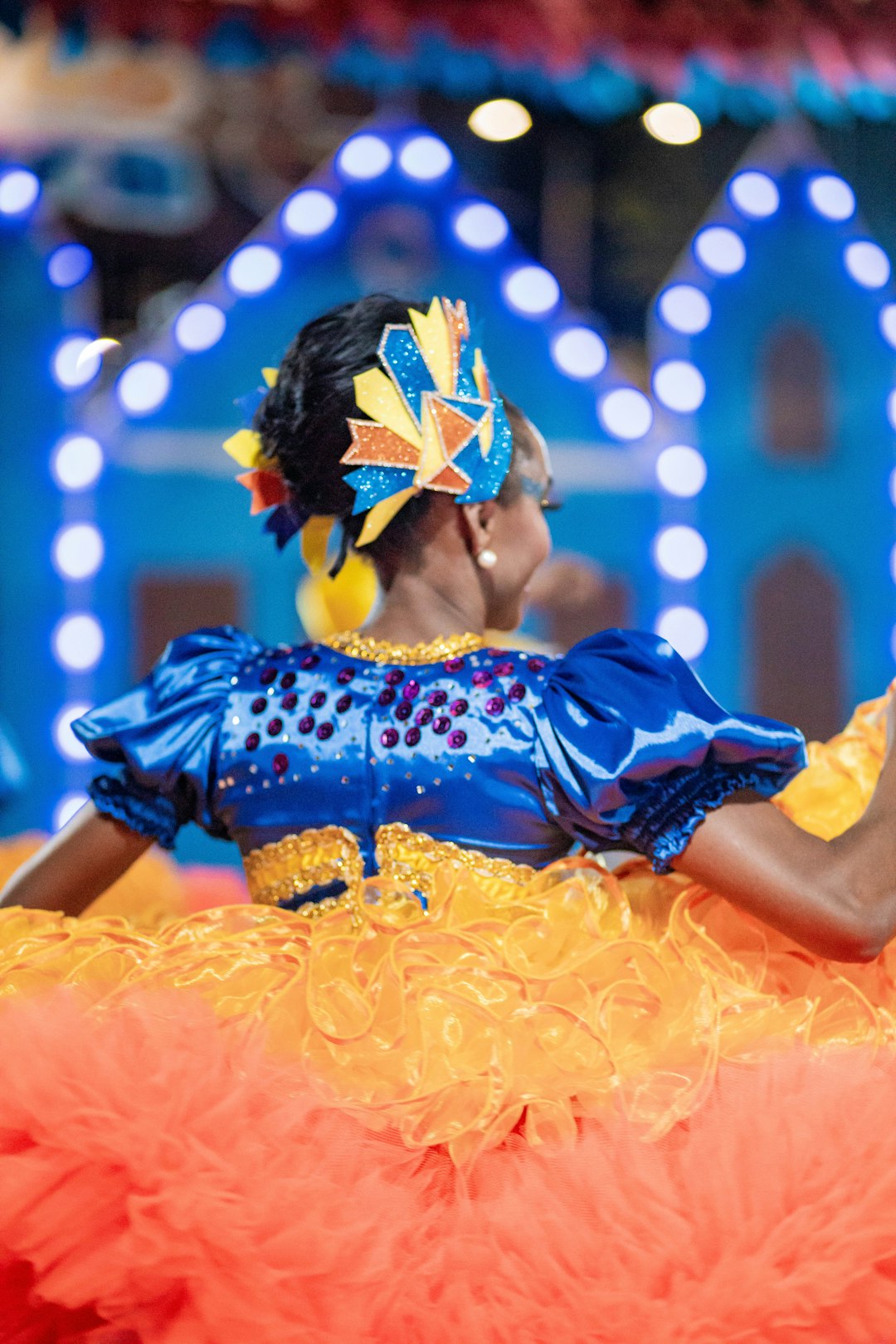
| Falda rociera (flounced regional style) | Sevillanas, festive performances | Multiple ruffles (volantes), often brighter patterns |
Start with a solid-color falda in black, red, or navy before advancing to bata de cola. The train demands specific technique—coiling, lifting, and releasing—that transforms the skirt into a partner, not a prop.
DON'T: Treat Footwear as an Afterthought
Professional zapatos feature 4–6cm wooden or stacked leather heels, leather uppers, and soles reinforced with nails or taps to amplify zapateado (footwork). Brands like Gallardo, Begoña Cervera, and Menkes offer standardized sizing, but custom makers provide superior fit for narrow or wide feet.
Beginner alternatives: Start with 3cm heels or flamenco-style practice shoes with flexible soles. Avoid character shoes or ballroom heels—their balance points and sound production differ fundamentally. Expect to invest $120–$250 for quality entry-level shoes; professional pairs run $300–$500+.
Break in new shoes gradually. Wear them for 15–20 minutes initially, building to full classes. Hardened leather softens to your foot shape over 2–3 weeks of regular use.
DO: Honor Cultural Accessories
Accessories in Flamenco carry cultural weight beyond decoration:
- Peineta (tortoiseshell or acetate comb): Worn at the crown of a moño (bun), its height and color signal formality. Larger peinetas (15–20cm) suit stage performance; smaller versions work for class.
- Roses (rosas): Fresh or silk flowers pinned to the hair or bodice. Red symbolizes passion; white, purity; pink, joy. Avoid plastic craft-store varieties—silk flowers from Spanish suppliers like Flores de Flamenco offer authenticity.
- Mantón de Manila (embroidered silk shawl): Essential for *