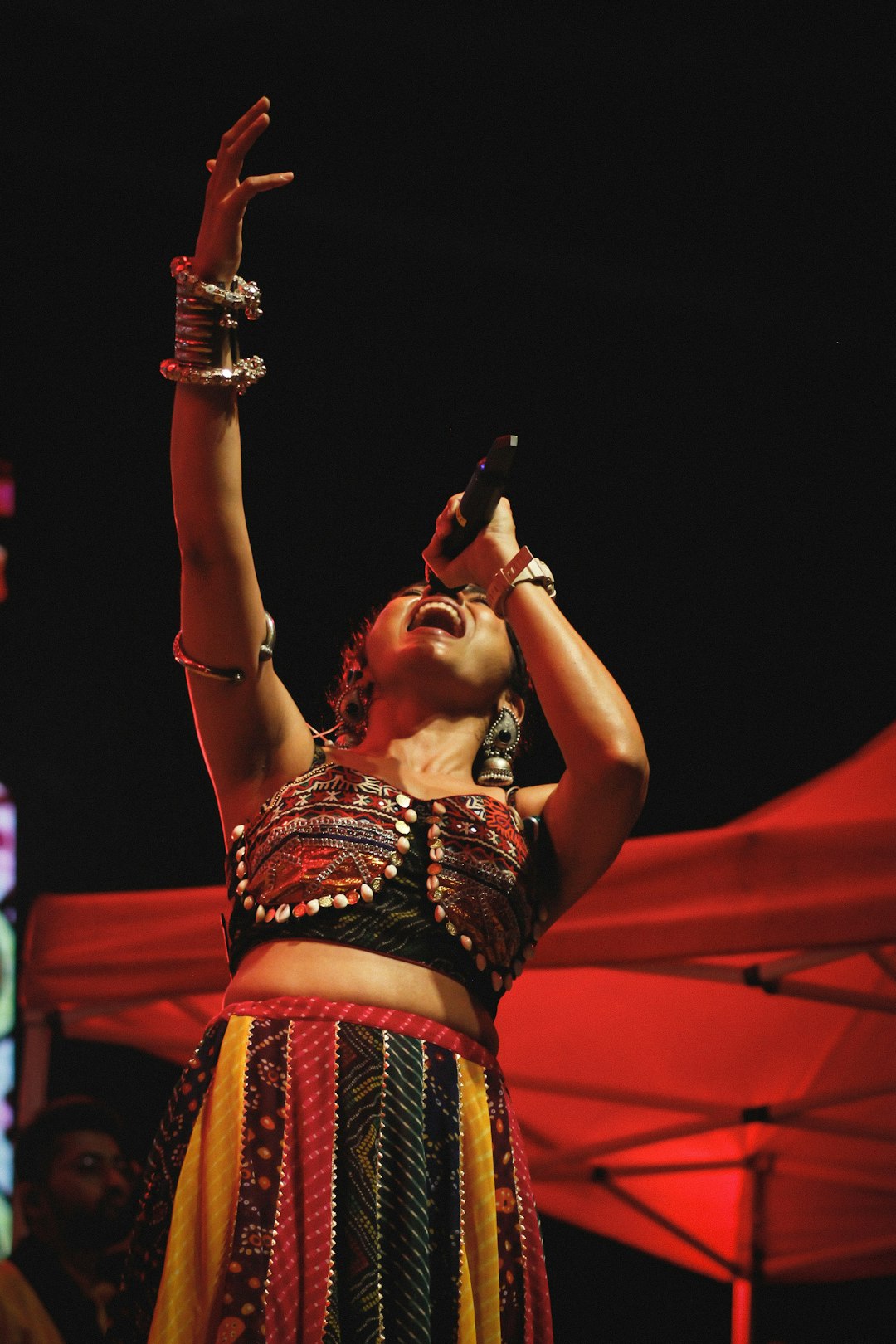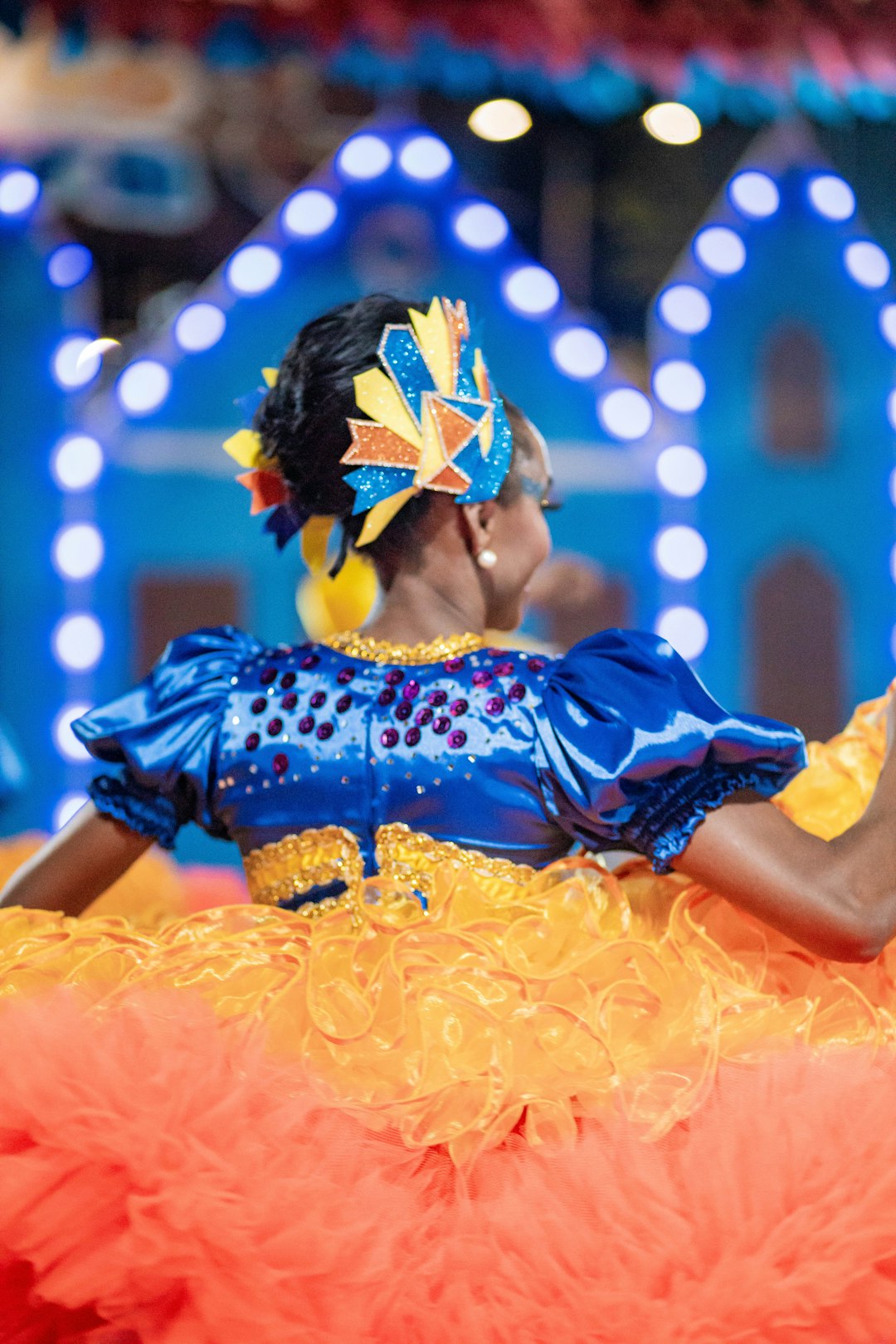
In a dimly lit tablao in Seville, a dancer enters to the cry of a singer and the furious strumming of a guitarist. Her feet strike the floor not as accompaniment, but as conversation. This is Flamenco—less a dance to be performed than a story to be surrendered to.
If you're standing at the threshold of this art form, this guide offers more than steps. It offers entry into a living tradition where history, struggle, and joy converge in every golpe of the heel.
Understanding the History and Cultural Significance
Flamenco emerged in the 18th century from the marginalized communities of Andalusia—particularly Roma (Gitanos), Moorish, Jewish, and working-class Andalusian peoples. UNESCO recognized it as Intangible Cultural Heritage in 2010, acknowledging both its artistic significance and its role in preserving cultural identity through centuries of persecution.
Understanding this context isn't academic ornamentation: the aflamencado posture, the contained upper body, the explosive footwork—all carry historical memory. The dance developed partly in secret, partly in defiance, and always in community. When you learn Flamenco, you step into this lineage.
Choosing the Right Footwear
Traditional Flamenco shoes (zapatos de baile) feature hardwood soles and heels that amplify sound. For women, heels typically measure 4–5cm; for men, 2.5–3.5cm. The heel height affects both aesthetics and your ability to execute clean zapateado.
Beginner options:
- Student-grade Flamenco shoes: Leather or synthetic uppers with reinforced heels ($80–$150)
- Character shoes: Acceptable for absolute beginners, but replace promptly as technique advances
- Avoid: Street shoes with leather soles—these lack arch support and can damage knees during repeated stamping
Invest in proper shoes within your first three months. Your body—and your teacher—will thank you.
Mastering the Fundamentals: Zapateado and Beyond
Flamenco technique rests on precise footwork vocabulary. Before speed comes clarity:
| Term | Definition | Sound Quality |
|---|---|---|
| Golpe | Full foot strike | Deep, resonant |
| Planta | Ball of foot | Sharp, crisp |
| Punta | Heel strike | Bright, percussive |
Begin with 15–20 minutes of daily footwork practice, separate from choreography. Record yourself: Flamenco compás (rhythmic structure) is unforgiving, and early habits fossilize quickly.
Arm and Torso Technique
The contrast defines the form: explosive lower body, contained upper body. Arms move from the shoulder with curved elbows, wrists circling outward. The torso remains relatively still—energy travels through the body rather than dissipating through it. Practice basic braceo (arm positions) in front of a mirror until the positions feel embodied rather than imitated.
Finding Your Compás: The Heartbeat of Flamenco
No element confuses beginners more than compás—the 12-count rhythmic cycle underlying most palos (Flamenco styles). Unlike Western 4/4 time, compás emphasizes beats 12, 3, 6, 8, and 10:
12 - 1 - 2 - 3 - 4 - 5 - 6 - 7 - 8 - 9 - 10 - 11
Clap this pattern until it becomes physical intuition. Start slowly (60 BPM), using a metronome. Speed without accuracy isn't Flamenco—it's noise.
Understanding the Cuadro Flamenco
Solo practice has limits. Flamenco is fundamentally collaborative: the bailaor/a (dancer), cantaor/a (singer), and tocaor (guitarist) engage in real-time dialogue. The dancer doesn't follow the music—they converse with it.
Seek opportunities to practice with live musicians early, even as a beginner. Understanding how your llamada (call) prompts a musical response transforms technique into communication.
Exploring Palos: Beyond the Basics
As fundamentals solidify, explore distinct styles:
- Alegrías: A 12-count palo from Cádiz, characterized by luminous, joyful quality and complex rhythmic variations
- Soleá: Slower, profound, the "mother of palos"—where duende (soulful authenticity) most often emerges
- Sevillanas: Four-part social dance, often learned first by Spanish children;