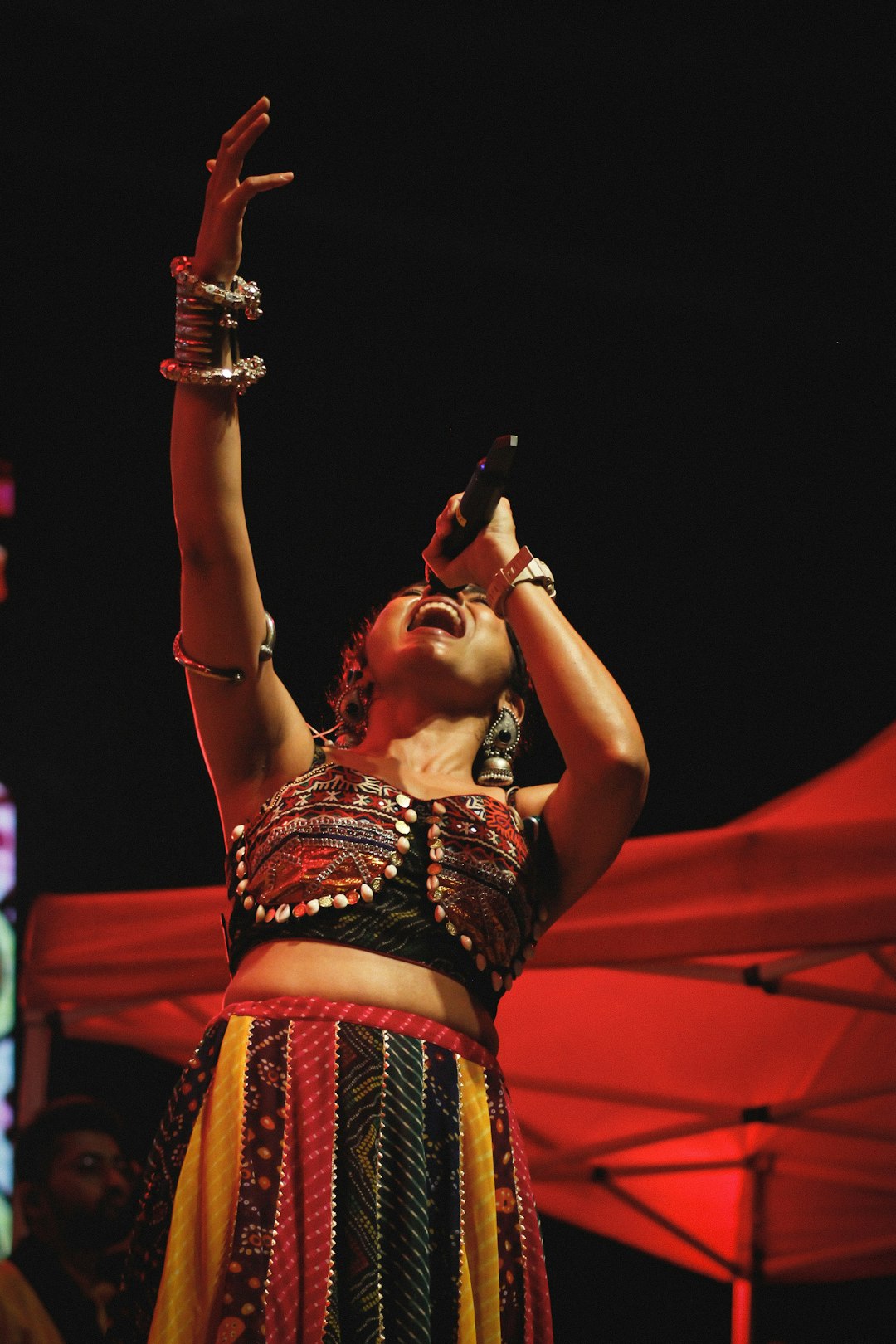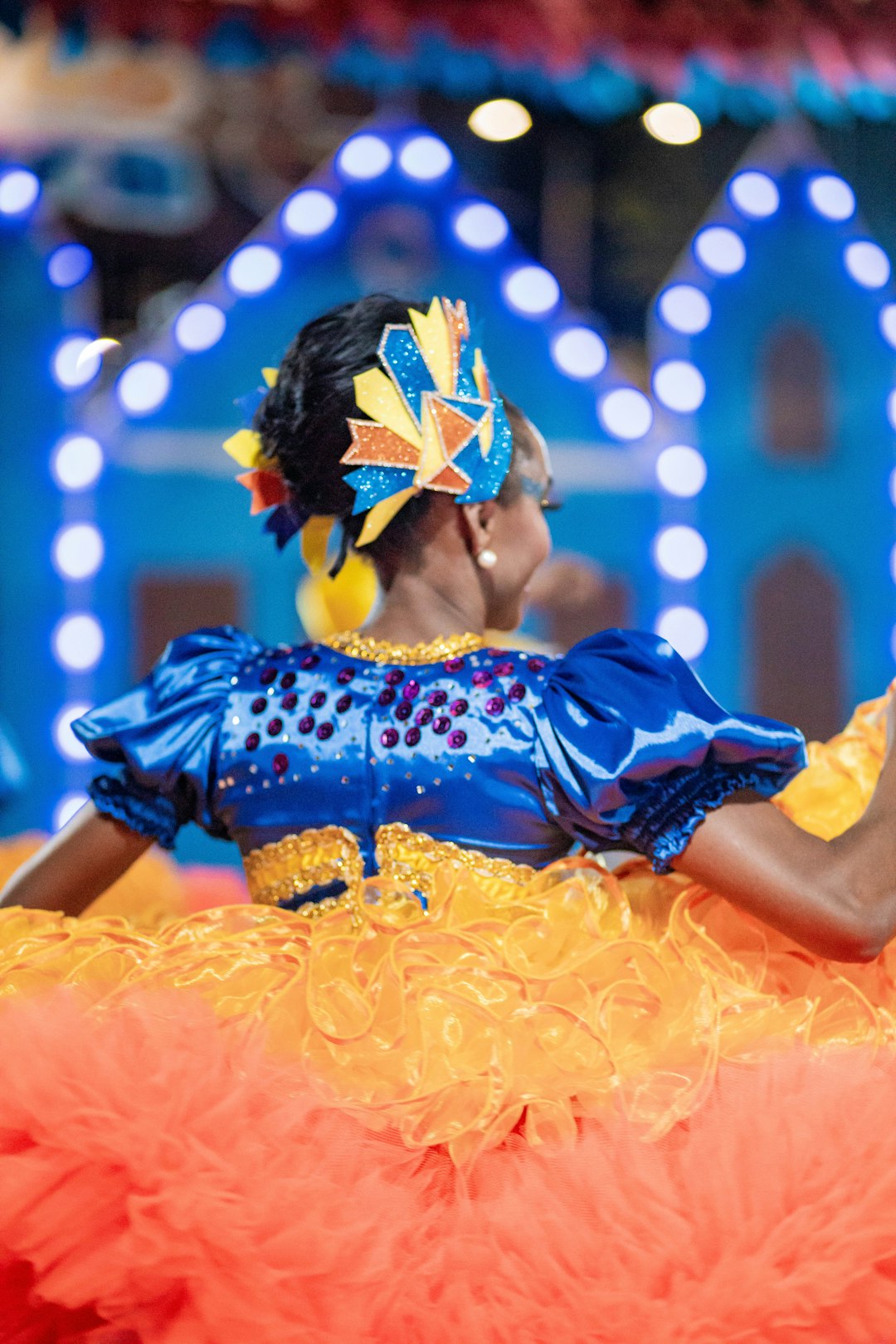
The zapateado strikes the floor like gunfire. The dancer's arms arc through space with controlled abandon. In Flamenco, every gesture carries centuries of struggle and celebration—and beginners can access this power through deliberate, respectful study.
This passionate dance form emerged in 18th-century Andalusia from the intersection of Gitano (Roma), Moorish, Jewish, and Spanish cultures. More than technique, Flamenco demands duende—that soulful depth that transforms mechanical steps into raw, meaningful expression. If you're ready to begin this lifelong journey, this guide will ground you in authentic fundamentals and help you develop genuine Flamenco artistry.
Step 1: Understand the History and Cultural Roots
Before your first zapateado strikes the floor, immerse yourself in Flamenco's complex lineage. This is not optional cultural window-dressing—it is the foundation that separates authentic Flamenco from generic Spanish-themed dance.
Flamenco crystallized in the marginalized communities of southern Spain, born from persecution and resilience. The cante (song) came first, with dance and guitar following as accompanying arts. Understanding this hierarchy matters: in true Flamenco, the dancer responds to and converses with the singer, never dominating the performance.
Listen to historic cante recordings by Camarón de la Isla or La Niña de los Peines. Watch documentaries on the tablaos of Seville and the peñas (Flamenco clubs) where the art form survives outside tourism. This context will transform how you hear the compás and move your body.
Step 2: Find Qualified Instruction
Flamenco technique is precise and culturally specific. Poor early training creates habits that take years to unlearn.
What to look for in a teacher:
- Direct training in Spain or from Spanish maestros
- Knowledge of multiple palos (rhythmic forms), not just choreographed routines
- Emphasis on compás (rhythmic accuracy) over flashy steps
- Cultural respect and historical context integrated into classes
If local instruction is unavailable, prioritize live online classes with qualified teachers over pre-recorded videos. Platforms like Flamenco Explained or studios with Spanish maestros offer structured remote learning. Avoid generic "Latin dance" instructors who teach Flamenco as an afterthought.
Step 3: Gather Essential Equipment
Flamenco requires specific tools. Invest wisely in these fundamentals:
| Item | Purpose | Estimated Cost |
|---|---|---|
| Practice shoes with nails | Produce authentic zapateado sound; small nails in heel and toe | $60–$150 |
| Full, flared skirt | Allows proper movement visualization and vuelta (turn) practice | $40–$100 |
| Hard floor surface | Wood or tile for resonance; avoid carpet | — |
| Quality cante recordings | Essential for learning to dance with live musical structure | $10–$30/month streaming |
Begin with practice shoes rather than professional zapatos—they're more forgiving as you develop ankle strength and technique.
Step 4: Master the Fundamentals
Flamenco technique rests on three interconnected pillars. Approach them in this order:
Compás: The Rhythmic Foundation
Everything in Flamenco flows from rhythm. Start with 4-count palos—Tangos or Rumba—before attempting the complex 12-count structures of Soleá or Bulerías.
Practice palmas (hand clapping) daily. This is not accompaniment; it is essential training for internalizing rhythm. Learn palmas sordas (muffled claps on the backbeat) and palmas claras (sharp accents).
Marcaje: Marking the Rhythm
Before zapateado, learn to marcar—walking steps that mark the compás with deliberate weight and intention. Master the basic llamada (call/introduction) that signals your entry to the guitarist and singer.
Zapateado: Percussive Footwork
The explosive footwork that defines Flamenco to outsiders actually comes after rhythmic mastery. Begin with:
- Golpe: Full foot strike
- Tacón: Heel strike
- Punta: Toe strike
Build combinations slowly. Speed without precision is noise, not music.
Braceo and Floreo: Arms and Hands
Braceo (arm movement) and floreo (finger/hand flourishes) express emotion and narrative