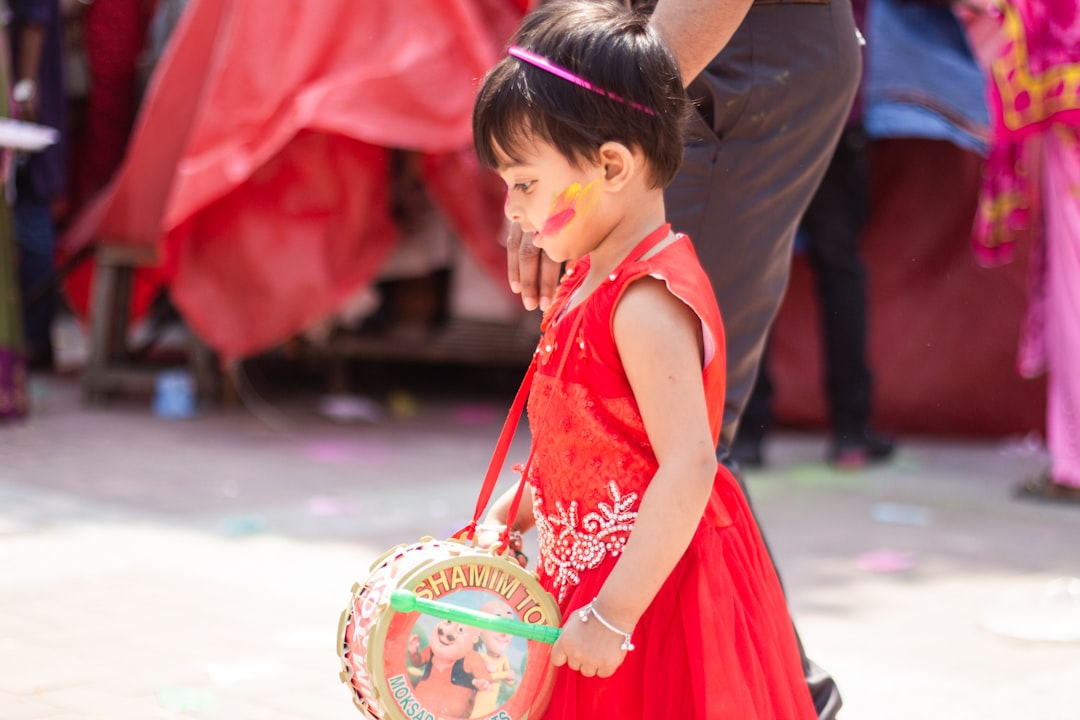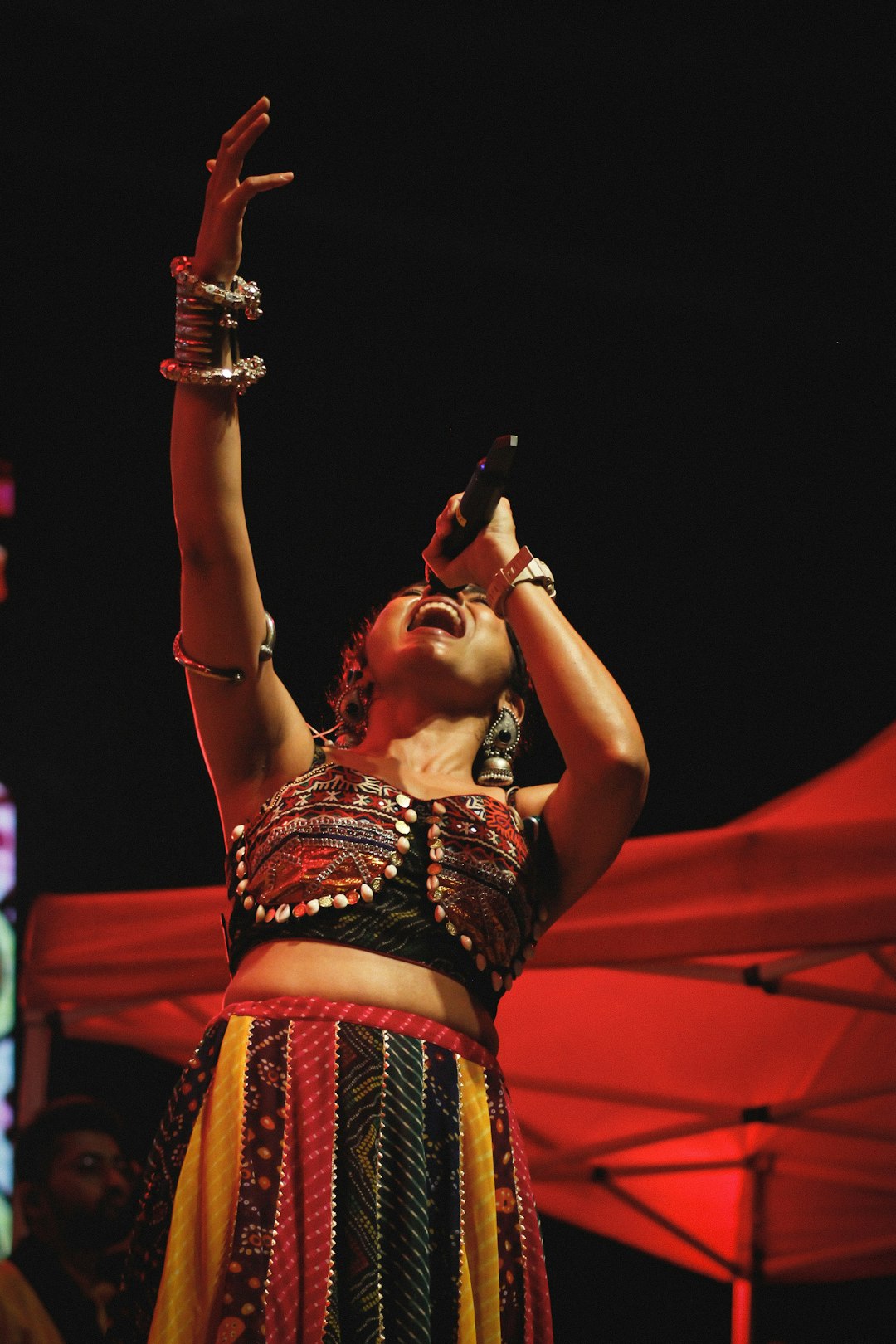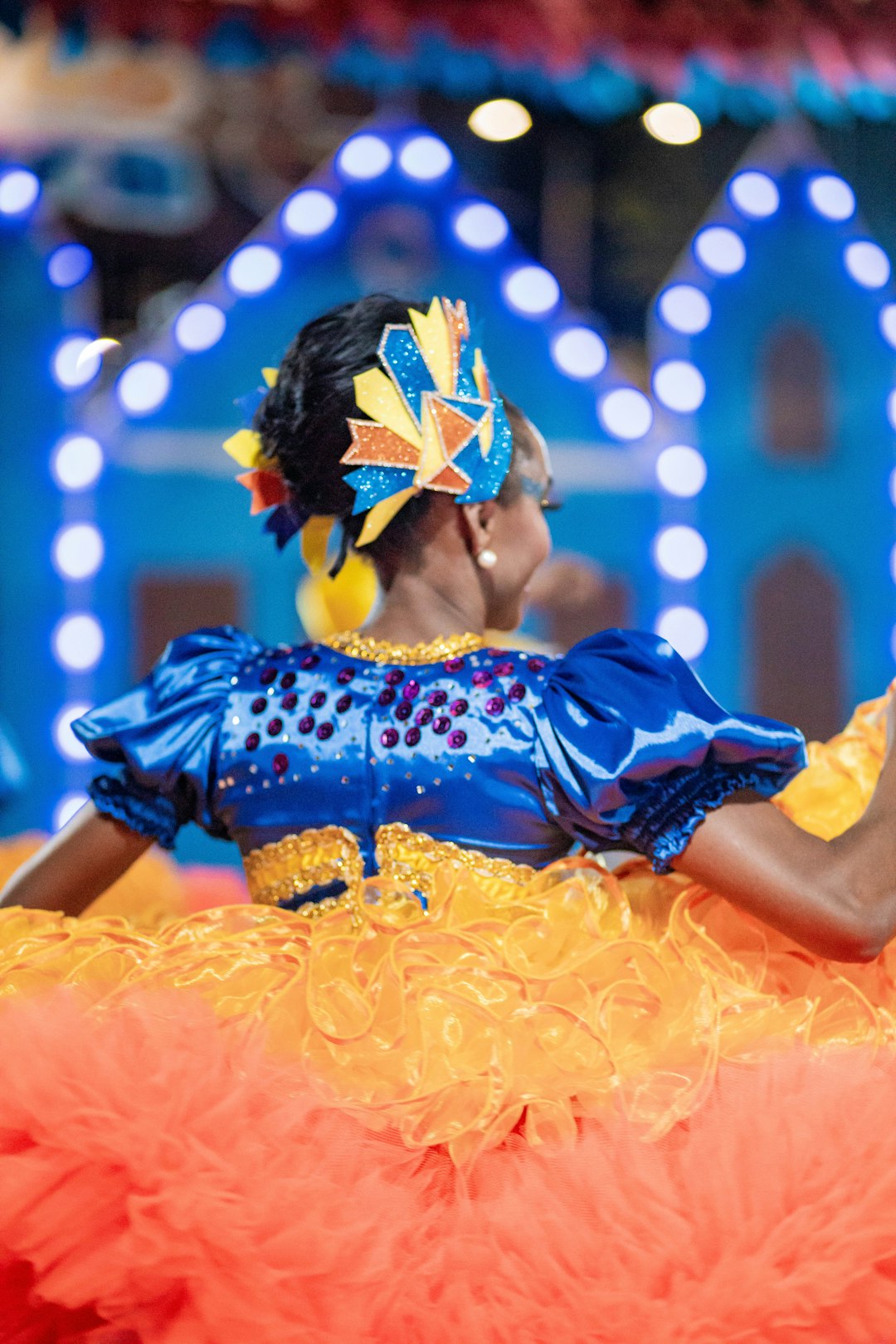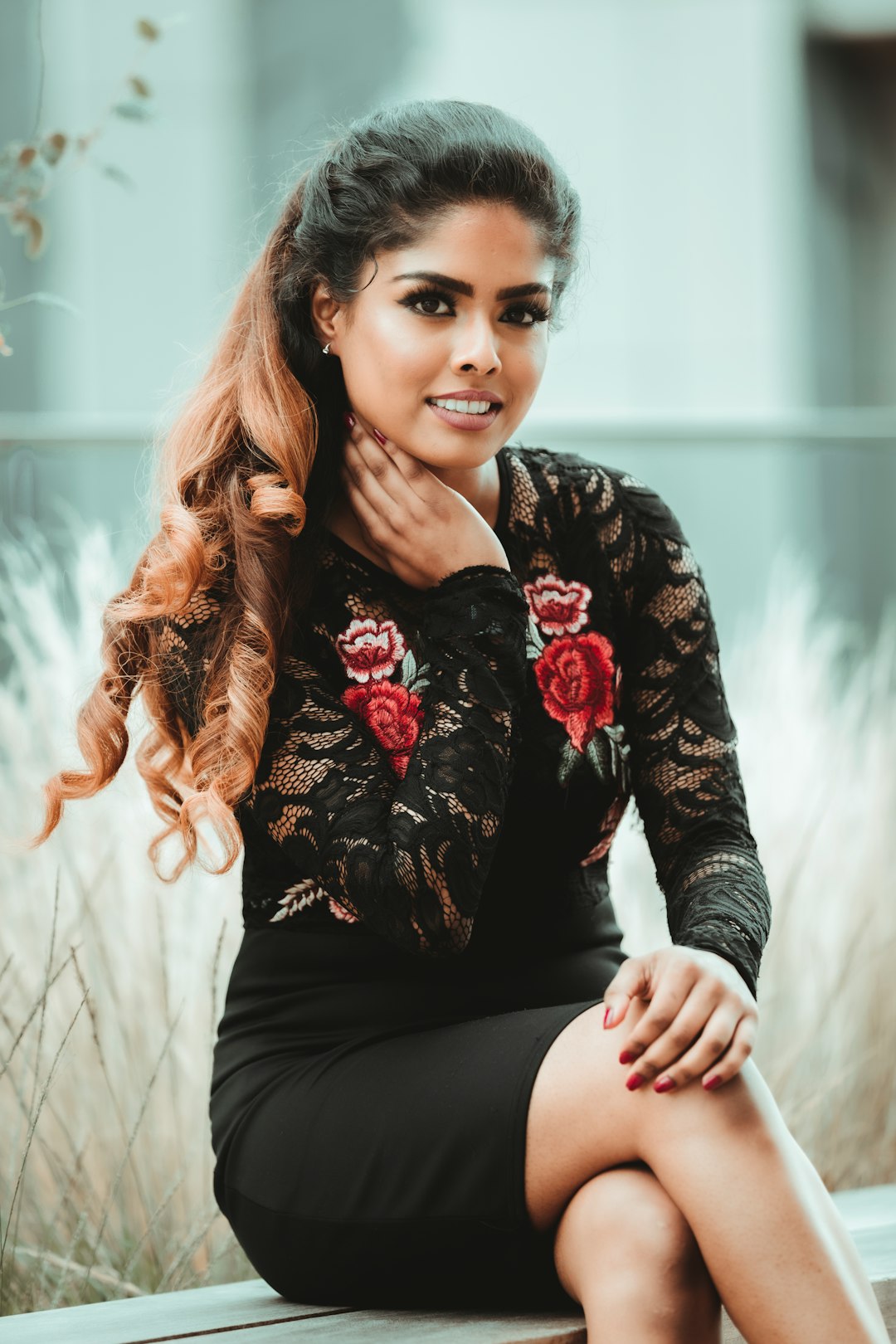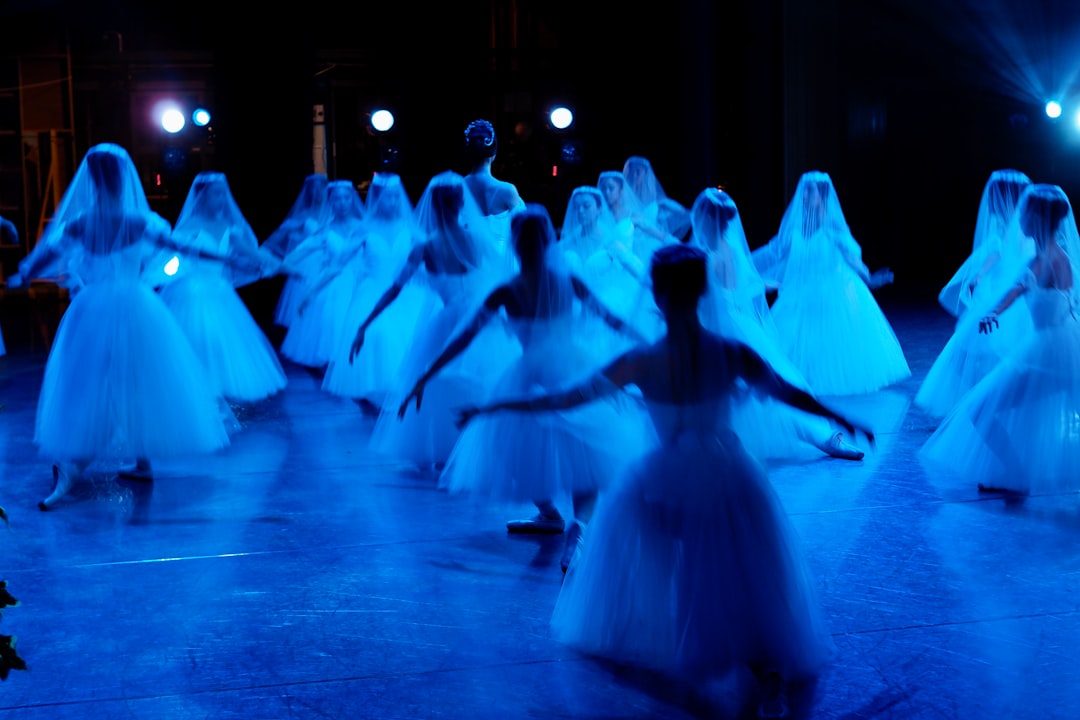
In a Madrid warehouse, a dancer's heels strike wood in 12-beat compás while her upper body isolates to trap music. The audience doesn't know whether to shout ¡Olé! or throw their hands up. This is Flamenco fusion in 2024—not a dilution of tradition, but a living conversation between centuries-old duende and contemporary movement languages.
What Flamenco Fusion Actually Means
Flamenco fusion isn't simply "adding Flamenco to another style." At its core, it's a deliberate choreographic dialogue: preserving the non-negotiables of Flamenco—its rhythmic integrity (compás), its emotional authenticity (duende), and its a compás relationship between dancer and musician—while opening technical and aesthetic possibilities from other forms.
This practice has documented roots stretching back to Paco de Lucía's jazz collaborations in the 1970s, through Sara Baras's contemporary reinventions of the 1990s, to Rocío Molina's avant-garde productions that treat Flamenco as raw material for theatrical innovation. Understanding this lineage matters: fusion without foundation becomes pastiche.
The Three Non-Negotiables
Before you blend, you must preserve:
1. Compás (Rhythmic Integrity) The 12-beat cycle of soleá, the driving 4/4 of rumba—these aren't background tracks. They're structural bones. Lose the compás, and you've lost Flamenco entirely.
2. A Compás Dancing Flamenco technique functions in conversation with live music. Your footwork (zapateado) isn't decoration; it's percussion. Fusion fails when this call-and-response becomes one-way.
3. Emotional Duende Lorca's "mysterious power everyone feels and no philosopher explains"—the raw, unpretty emotional truth. Technique without duende is gymnastics in a ruffled skirt.
Three Approaches to Fusion
Rather than vague "experimentation," try these structured entry points:
Rhythm-First Fusion
Start with the compás. Take a bulerías 12-beat structure and map it onto unexpected time signatures or electronic music. Israel Galván's La Edad de Oro demonstrates this: traditional footwork patterns stretched across contemporary soundscapes, creating temporal tension that rewards listeners attuned to both languages.
Try this: Record yourself dancing escobilla (rapid footwork sequences) to a breakbeat. Notice where the 12-beat cycle conflicts with the 4/4 electronic grid—these friction points become your choreographic material.
Movement-Quality-First Fusion
Preserve Flamenco's rhythmic spine while borrowing physical qualities from another form. María Pagés's Utopía layers ballet's vertical extension and fluid port de bras onto Flamenco's grounded, angular attack. The result: familiar emotion delivered through unfamiliar physical pathways.
Try this: Execute a traditional llamada (the dancer's call-to-attention) but replace the abrupt, grounded planta-tacón finish with a contemporary spiral descent. Same intent, different physics.
Narrative-First Fusion
Use contrasting movement vocabularies to tell stories neither form could tell alone. Rocío Molina's work often constructs character through style shifts—Flamenco bata de cola transforming into butoh-influenced stillness, or hip-hop's coded gestures interrupting alegrías.
Try this: Choreograph a 32-count phrase that begins in pure soleá, encounters a "foreign" movement vocabulary at beat 17, and resolves the tension by beat 32. What story does that collision tell?
Case Study: Flamenco-Hip Hop in Practice
The most visible fusion today, "flamenco urbano," risks becoming empty aesthetic layering—batas de cola in sneaker commercials. Done well, it's technically rigorous.
Technique: Replace the traditional llamada with a hip-hop drop—the sudden level change creates equivalent dramatic tension. Layer escobilla footwork over trap hi-hats, treating your heels as percussion instruments in the mix.
Key practitioner: Search for "flamenco urbano" collectives in Sevilla and Madrid, or study videos of dancer Jesús Carmona's club-influenced soleá experiments.
Your 30-Day Fusion Experiment
Generic "practice, practice, practice" fails you. Try this structured challenge:
Week 1: Isolation. Dance pure Flamenco to non-Flamenco music—electronic, jazz, silence. Document where your body resists the foreign rhythm. These resistance points are your fusion map.
Week 2: Vocabulary theft.