Walk into a crowded tablao in Seville at midnight. The air hangs thick with heat and expectation. A single guitarist strikes an opening chord—a llamada, a call—and the room falls silent. Then the dancer enters, and everything changes.
This is flamenco. Not merely dance, but duende: a raw, almost spiritual power that has transformed from persecuted ritual to UNESCO-recognized heritage. Understanding flamenco means tracing a story of survival, resistance, and artistic alchemy that continues to evolve nearly three centuries after it first emerged from the shadows of southern Spain.
Beyond the Dance: What Flamenco Actually Is
Here's what most outsiders get wrong. Flamenco is not, traditionally, a dance form with musical accompaniment. It is cante—song—first and always. The toque (guitar) and baile (dance) developed later, building frameworks around the voice's emotional architecture.
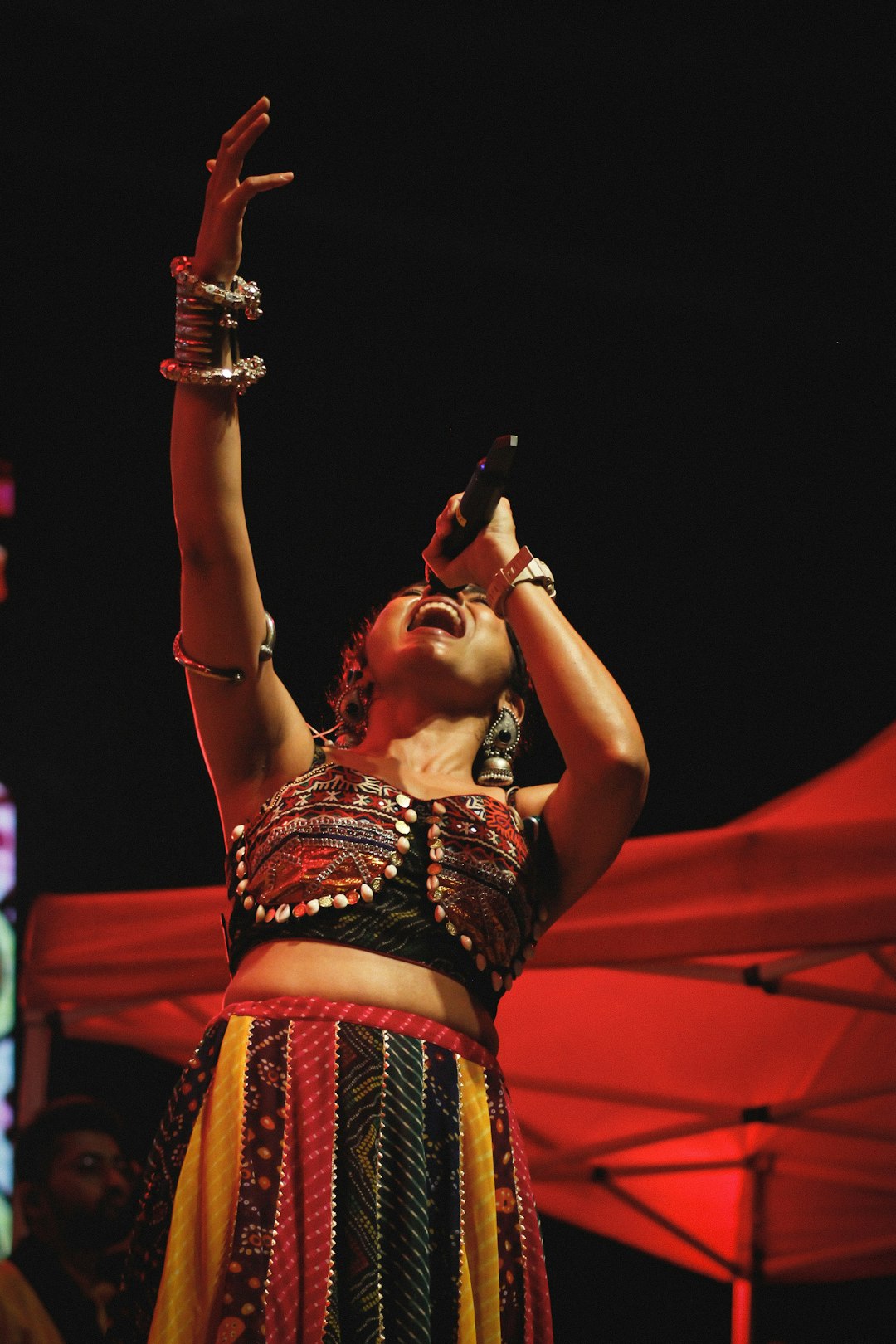
This hierarchy matters. A cantaor (singer) performing soleá—one of over fifty distinct palos (forms)—channels centuries of lament through melismatic phrases that bend and break conventional pitch. The guitarist doesn't accompany so much as converse, responding to vocal quejíos (cries of anguish) with improvised falsetas (melodic variations). Only then does the dancer enter, interpreting rhythmic structures called compás through explosive footwork (zapateado), precise hand-clapping patterns (palmas), and body language that externalizes what the voice contains.
Each palo carries specific emotional weight. Alegrías burst with celebration, their 12-beat cycles driving upward toward release. Seguiriya plumbs depths of tragedy, its asymmetric rhythm creating unease. Bulerías—fast, playful, dangerous—unleash improvisational chaos. Knowing these distinctions transforms passive watching into active participation.
From Persecution to Performance: A History Written in Blood
The late 18th century marks flamenco's documented emergence, but its roots dig deeper. In Andalusia—Spain's southern crucible—three cultures had long coexisted in uneasy proximity: Islamic Moorish, Jewish, and Christian. The Reconquista and subsequent expulsions didn't erase these influences; they drove them underground, into shared spaces where musical traditions hybridized in secret.
The Gitanos—Roma people who arrived in Spain by the 15th century—became flamenco's primary architects. Their persecution was systematic and brutal. The 1776 Pragmatic Sanction of King Charles III mandated arrest for "vagabond" Roma, authorized destruction of their settlements, and forced separation of families. Flamenco crystallized in this pressure cooker: an art form forged from necessity, expressing what could not be spoken directly.
The cafés cantantes of the 1860s changed everything. These commercial venues in Seville transformed flamenco from private juergas (informal gatherings) into public spectacle. The period 1869–1910—flamenco's Edad de Oro (Golden Age)—saw legendary figures emerge: singer Antonio Chacón, guitarist Ramón Montoya, dancer El Estampío. Yet commercialization brought tension. Flamenco puro—the raw, unaccompanied cante jondo (deep song)—faced dilution through cante chico (lighter forms) and theatrical staging.
Franco's dictatorship (1939–1975) imposed further strain. Flamenco became state-sanctioned tourist product while authentic expression remained politically dangerous. The peñas flamencas—grassroots clubs founded across Andalusia from the 1950s—preserved lineage through underground networks, maintaining transmission from elder maestros to young initiates outside official channels.
The Sound of Survival: Anatomy of a Performance
Modern flamenco performance operates through precise, layered codes. Understanding them reveals why this art resists passive consumption.
The Jaleo: Audience participation isn't optional. ¡Olé! marks moments of transcendent execution—not applause, but recognition. ¡Así se canta! ("That's how you sing!") validates authentic emotional delivery over technical perfection. The boundary between performer and witness dissolves.
Rhythmic Complexity: Palmas (hand-clapping) creates polyrhythmic texture. Palmas sordas (muffled, bass-toned) maintain underlying pulse while palmas claras (sharp, high-pitched) mark accents. Experienced aficionados deploy these strategically, becoming