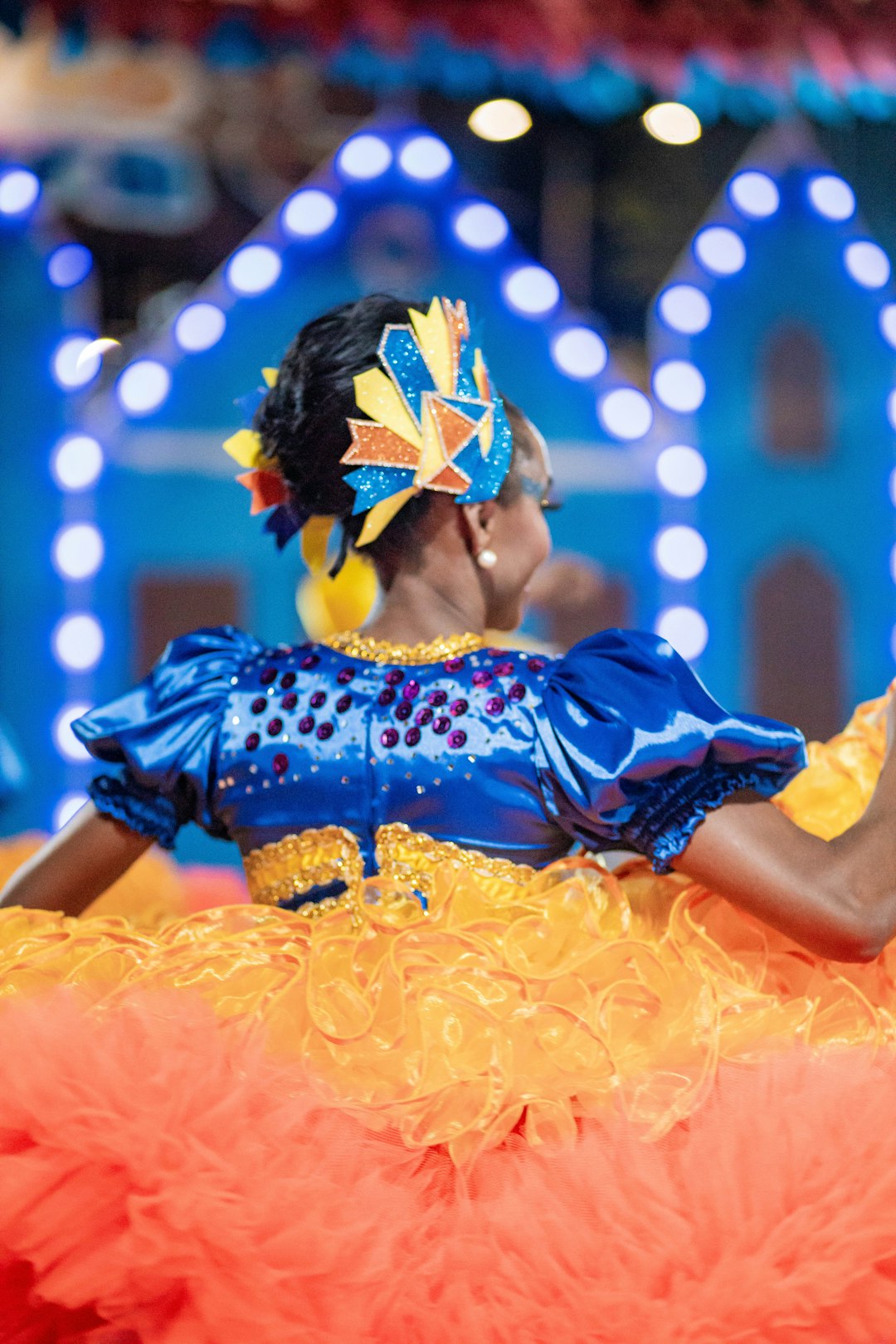
From the intimate, smoky tablaos of Andalusia to the high-definition screens of global streaming services, the fierce compás (rhythm) of Flamenco is finding a powerful new stage. For centuries, this profound art form—a fusion of cante (song), baile (dance), and toque (guitar)—thrived in live performance, its raw emotion and technical brilliance passed down through generations. Today, film and television are introducing Flamenco to audiences on an unprecedented scale. But are these on-screen portrayals mere aesthetic decoration, or are they fueling a genuine resurgence of interest and shaping the art form's future? This exploration delves into recent and upcoming screen projects featuring Flamenco and analyzes their multifaceted impact on its global popularity and cultural perception.
Flamenco's New Stage: From Tablao to Television
The journey of Flamenco from cultural tradition to cinematic subject is a natural one. Its inherent drama, visual spectacle, and emotional depth make it compelling fodder for storytellers. While classic films like Carlos Saura's Flamenco Trilogy laid the groundwork, a new wave of productions is leveraging modern distribution to reach a broader, often younger, international audience. These portrayals range from documentary deep-dives to narrative dramas, each contributing to a richer, if sometimes debated, public understanding of the art.
Recent Portrayals: A Critical Showcase
Moving beyond simple plot summary, let's analyze how contemporary films and series are framing Flamenco for the world.
"Faro" (2023): A Quest for Authentic Duende
This Spanish drama follows a young Flamenco dancer returning to her roots to confront her past. Its acclaim stems from an unwavering commitment to authenticity. The film avoids glamorized spectacle, instead focusing on the concept of duende—the profound, almost spiritual, emotional state at Flamenco's heart. It showcases the gritty reality of practice, the importance of lineage, and the complex relationship many artists have with their Gypsy (Roma) heritage, which is central to Flamenco's origins. By using real tablaos as backdrops and featuring seasoned artists, "Faro" offers a window into the art's soul, not just its stunning visual form.
"Flamenco is Life" (2022): Intimate Portraits Beyond the Performance
This documentary series excels by turning the camera on the artists themselves. It goes behind the explosive zapateado (footwork) and passionate expressions to explore personal struggles, economic hardships, and the sheer dedication required to live for Flamenco. By telling these human stories—perhaps a veteran singer battling to preserve a rare palo (style) or a young dancer balancing tradition with innovation—the series builds deep empathy. It demystifies the art form, showing it as a living, evolving culture sustained by individuals, which in turn fosters a more respectful and informed appreciation among viewers.
"Flamenco Love" (2021): Romance as a Gateway
While a more conventional romantic drama, this film plays a crucial role in accessibility. It uses the love story between a guitarist and a dancer as a vehicle to showcase breathtaking choreography and music. Its "fresh perspective" lies in its focus on the creative and symbiotic partnership between musician and dancer—the silent communication, the shared rhythm, the push-and-pull that fuels improvisation. For viewers completely new to Flamenco, it serves as an engaging entry point, emphasizing the beauty and narrative power of the performance itself before delving into its deeper cultural roots.
The Crossover Effect: Flamenco in Mainstream Media
The impact is further amplified when Flamenco appears in major international productions. A prime example is its iconic use in Netflix's global phenomenon "Money Heist" (La Casa de Papel). The character Tokyo's haunting narration over a solo Flamenco performance by "Bella Ciao" singer Manu Pilas wasn't just a cultural nod; it fused Spanish identity with the show's rebellious heart, exposing tens of millions to the art's evocative power in a single, memorable scene.
The Ripple Effect: How Screen Portrayals Impact Popularity
The inclusion of Flamenco in visual media is not passive; it creates active ripples that affect the art form's ecosystem in several key ways.
Broadening the Global Audience
The most direct impact is demographic expansion. Streaming platforms make these shows universally accessible, sparking curiosity that translates into tangible action. Search trends for "Flamenco classes near me" and online tutorial subscriptions often see spikes following major releases. Tourism boards in Andalusia report increased interest in authentic Flamenco shows from travelers who first encountered the art on screen. This creates a new generation of international enthusiasts and amateur practitioners, ensuring the art form's relevance far beyond its traditional geographic borders.
Fueling Debate: Authenticity vs. Accessibility
This newfound popularity inevitably sparks debate within the Flamenco community. Purists may argue that screen adaptations inevitably simplify, sanitize, or dramatize the art for mass consumption, potentially diluting its traditional essence. Can the raw, communal energy of a live juerga (gathering) ever be captured on film? Conversely, proponents see these portrayals as vital tools for preservation and education. They argue that by making Flamenco accessible, film and television fund documentaries, create jobs for artists as consultants and performers, and generate broader cultural appreciation that supports traditional venues and schools. The tension between commercialization and preservation is a healthy, ongoing conversation that keeps the art form dynamic.
A Boost for Artists and Cultural Capital
For working Flamenco artists, screen exposure can be transformative. It leads to higher-profile gigs, international touring opportunities, and increased demand for their work. As filmmaker and Flamenco aficionado Carlos Saura once noted, "Film can capture a performance forever, giving it a life beyond the stage." This permanence elevates the artist's profile. Furthermore, by consistently highlighting Flamenco's depth and complexity, these productions reinforce its status as serious art, worthy of academic study and institutional funding, not just tourist entertainment.
Conclusion: The Future Rhythm of Flamenco
The relationship between Flamenco and the screen is symbiotic and increasingly significant. While the soul of Flamenco will always reside in the live, improvised, and visceral connection between artist and audience, film and television have become indispensable megaphones. They are not replacing the traditional tablao; they are building pathways to it. By offering everything from gritty authenticity to romanticized accessibility, screen portrayals are demystifying the art, broadening its audience, and injecting new energy into its ecosystem. As upcoming projects continue to explore this rich tradition, one thing is clear: the passionate voice of Flamenco, with all its history and heartache, is being amplified for the world to hear, ensuring its powerful rhythm resonates with generations to come.