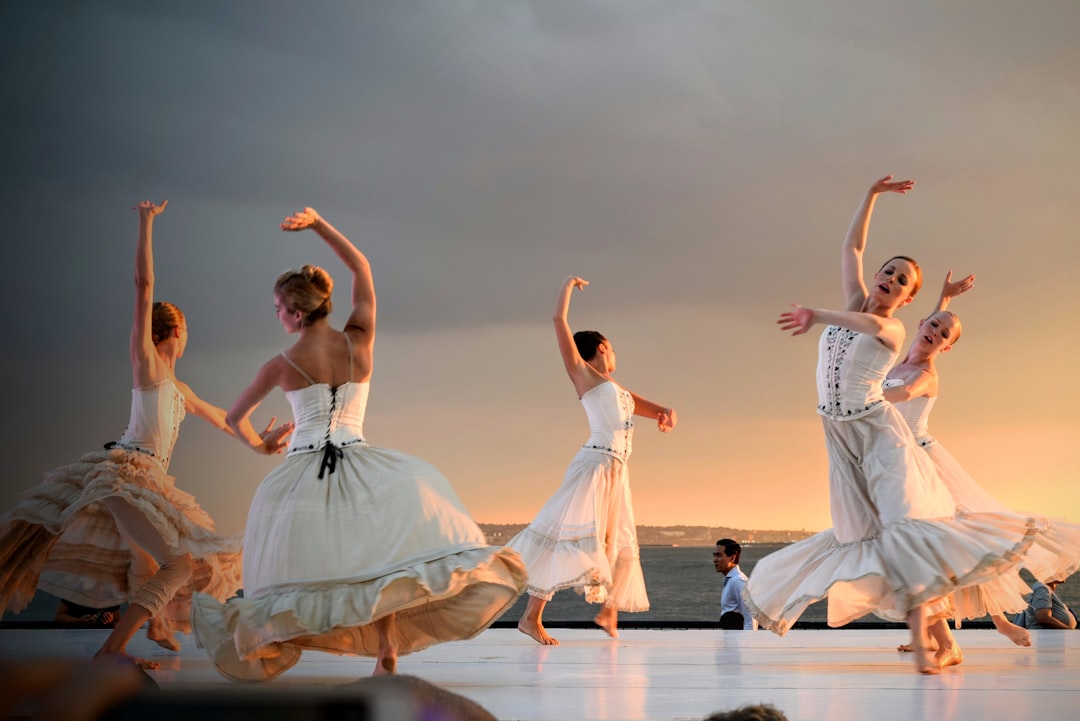
The crack of a guitarist's knuckle on wood, the furious staccato of heels on a bare floor, the raw, aching cry of cante jondo—for centuries, the visceral power of Flamenco lived and died in the moment of performance. Today, that same ancient rhythm is being encoded in binary, streamed across continents, and even reimagined by algorithms. Far from diluting this profound Spanish tradition, technology has become its unexpected ally, offering innovative tools for preservation, global promotion, and controversial new forms of creation. This is the story of how digital archives, online stages, and artificial intelligence are ensuring Flamenco’s soul endures and evolves in the 21st century.
Digital Archives: Building the Eternal Library of Duende
The first and most critical role of technology is preservation. Flamenco, an oral tradition passed down through generations, faces the perpetual risk of fading whispers. Digital archives are combating this, moving beyond simple storage to become intelligent libraries of duende (soul).
Projects like the Instituto Andaluz del Flamenco's vast repository and the European Flamenco-E initiative are at the forefront. Their mission is complex: it’s not merely about digitizing sheet music or converting vintage vinyl. It involves creating searchable databases for over 50 traditional palos (styles), meticulously tagging video performances by lineage (escuela) and artist, and preserving the intangible—the master’s anecdote about a particular falseta (guitar phrase) or the emotional context of a soleá.
The challenge lies in curation and access. How is metadata structured to reflect Flamenco’s intricate taxonomy? How do institutions balance open access for global researchers with protecting the commercial rights of living artists? These digital vaults are more than hard drives; they are the foundational bedrock, ensuring the art form’s history is not lost to time, but organized, accessible, and ready for study.
Online Performances: The Global Tablao and the Intimacy Debate
If archives preserve the past, online platforms broadcast the present. The rise of high-quality streaming and social media has transformed promotion, creating a global tablao (Flamenco venue). During the COVID-19 lockdowns, artists from Seville to Jerez turned to Instagram Live, hosting intimate cuadros (ensembles) from their living rooms, reaching audiences from Tokyo to Buenos Aires. Dedicated services like Flamenco Festival's on-demand platform now offer cinematic recordings of premier stage productions to international subscribers.
This democratization of access is undeniable. Emerging dancers can build a following on YouTube, and aficionados in countries without a Flamenco scene can take virtual guitar lessons. Yet, this expansion sparks a vital debate. Purists argue that the screen filters out the essential electricity of a live performance—the reciprocal energy between singer and audience, the spontaneous jaleo (shouts of encouragement), the shared, almost ritualistic atmosphere of the juerga. Technology disseminates the form but risks flattening its context. The question becomes: can the fire of Flamenco truly translate through fiber-optic cable?
AI-Generated Compositions: Algorithmic Compás and the Soul of the Machine
The most provocative intersection is where Flamenco meets artificial intelligence. Can an algorithm learn compás (rhythmic cycle) or compose with quejío (deep feeling)? Projects like Sony CSL’s "Flamenco with a Computer" and academic research using machine learning to analyze palos are testing these boundaries.
AI’s strength is pattern recognition. It can be trained on hundreds of bulerías to generate new melodies that adhere strictly to the 12-beat cycle. It can create endless variations of rasgueado (strumming) patterns for student practice. Some see it as a collaborative tool—a digital tocaor (guitarist) that offers inspiration to human composers, helping explore novel variations within traditional structures.
However, this leads to the philosophical core of the debate. While AI can replicate the skeleton of Flamenco—the scales, the rhythms, the forms—can it ever understand the cultural anguish, the personal history, the duende that breathes life into the art? Most experts argue it cannot. Instead, its role is not to replace the artist but to serve as a mirror, a laboratory, and a preserver of structural rules, forcing us to ask: what, at its heart, makes Flamenco human?
The Irreplaceable Human Hand: Curatorship in the Code
Amidst these technological wonders, a constant remains: the need for the human hand. The archivist’s knowledge to tag a recording correctly, the artist’s choice to embrace or reject a virtual stage, the composer’s judgment to use an AI-generated phrase—these are acts of curatorship. Technology provides the tools, but the artist provides the intent, the emotion, and the cultural fidelity. The most successful initiatives, from digital libraries to AI projects, are deeply collaborative, guided by scholars and maestros who ensure the soul of the tradition navigates the digital sea.
Conclusion: Museum or Canvas?
As we look forward—to AI that might accompany dancers in real-time, or holographic performances of legends past—the central question crystallizes. Will technology act as Flamenco’s museum, a perfect, frozen record of its glory? Or will it become its evolving canvas, a set of brushes for new generations to paint upon?
The answer likely lies in balance. By using digital archives as our memory, online platforms as our global town square, and AI as our experimental workshop—all under the stewardship of living practitioners—Flamenco can do what it has always done: feel deeply of its roots while reaching fearlessly for new forms of expression. The rhythm, it seems, will continue, both in the clap of hands and the click of a mouse.
Explore the digital patrimony at the Instituto Andaluz del Flamenco or experience a contemporary Flamenco fusion project online.


