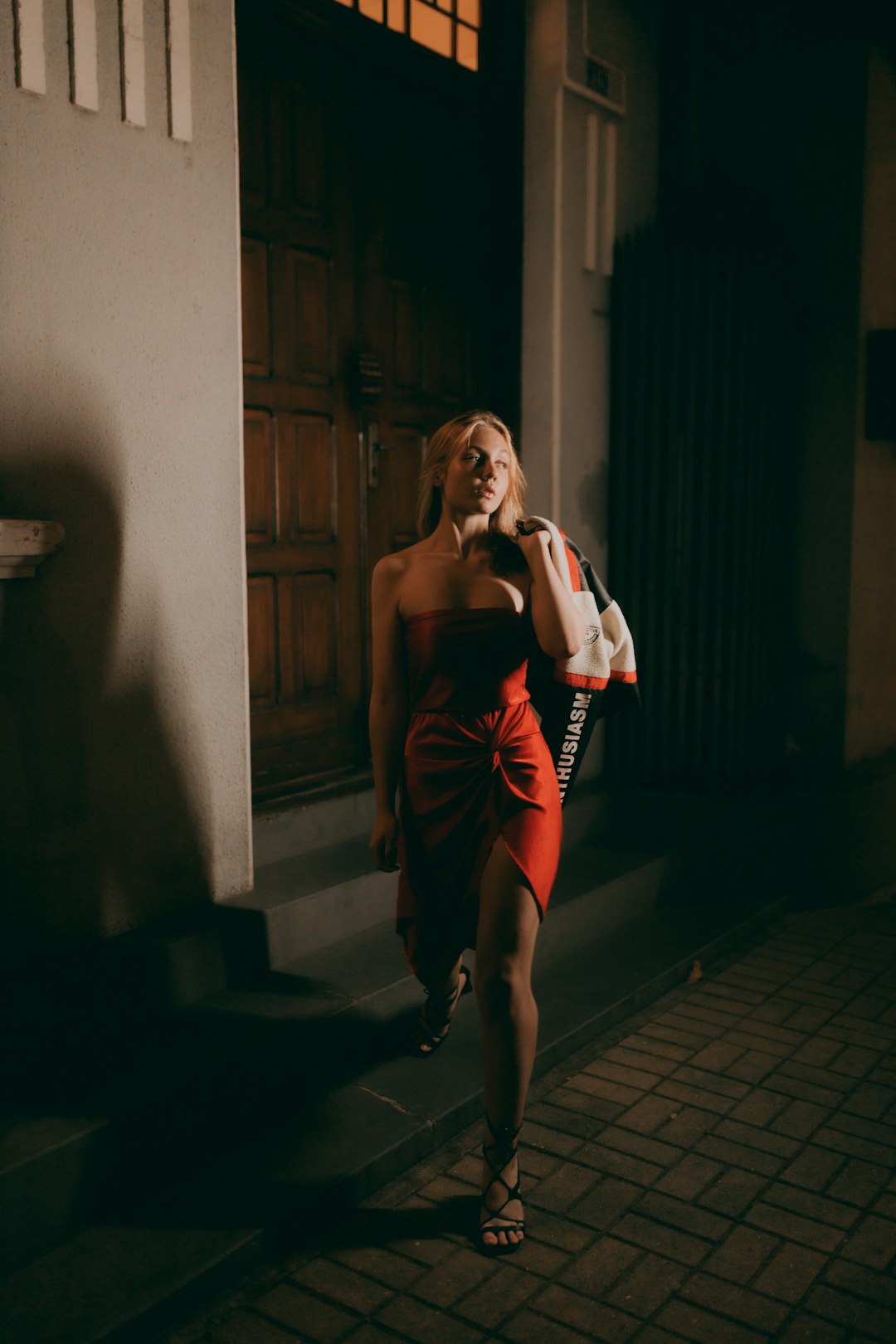
Your dance wardrobe is more than decoration—it is equipment. The right attire supports your technique, honors the tradition you're stepping into, and lets you move with confidence. Whether you're drawn to the percussive power of Flamenco or the improvisational heat of Salsa, what you wear directly affects how you learn, perform, and connect with your partner or audience.
This guide breaks down everything you need to know about dressing for these two iconic styles, from your first beginner class to your first stage performance.
Understanding the Styles: Why Wardrobe Matters
Flamenco and Salsa may both ignite the dance floor, but they demand fundamentally different things from your body—and your clothing.
Flamenco originated in the Andalusia region of Spain, forged from Roma, Moorish, and Spanish cultural threads. It is a dance of stillness and explosion: rooted posture, rapid footwork, and expressive arms. Your wardrobe must amplify every gesture without restricting the precision beneath it.
Salsa, born in the Caribbean and refined in Cuban and Puerto Rican communities before spreading globally, is a dance of continuous motion. Social Salsa thrives on quick turns, close partner connection, and improvisation. Your outfit needs to breathe, stretch, and keep up with unpredictable movement.
These differences shape every wardrobe choice you make.
Building Your Flamenco Wardrobe
The Foundation: Skirts and Dresses
For women, the traje de flamenca is the signature silhouette—a fitted bodice, flounced skirt, and often a train called the bata de cola. In performance, the bata de cola becomes an extension of the dancer's body, whipped and manipulated with deliberate technique. However, beginners should start simpler.
- Practice: A basic flounced skirt with one or two ruffles, paired with a fitted top or leotard. Look for fabrics with enough weight (cotton blends, light synthetics) to flare when you turn, but not so heavy that they exhaust you.
- Performance: The full traje de flamenca, often custom-made or sourced from Spanish specialty retailers like Merche Moy or El Ajolí. Expect to invest $200–$800+ for quality pieces.
- Bata de cola: Add this only after you've trained specifically in train technique. It requires mastery of bordoneo (footwork with fabric management) and can trip the unwary.
For men, the standard moves from fitted practice pants and a plain shirt to a traje de luces (suit of lights) or a ruffled performance shirt with high-waisted trousers. Even in class, men often wear shirts with ruffles at the cuffs and neckline to accentuate arm movements.
Footwear: The Heart of Flamenco Technique
Authentic zapatos de flamenco are non-negotiable. These leather shoes feature small nails embedded in both the toe and heel, producing the sharp, rhythmic golpe that defines the dance.
- Women's shoes: Typically a sturdy heel (1.5–2.5 inches), closed toe, with nails professionally installed or factory-set. Brands like Gallardo, Begoña Cervera, and Menkes are industry standards.
- Men's shoes: Lower heel, broader base, equally nailed. Expect to pay $120–$250 for a quality pair.
- Breaking them in: New flamenco shoes are stiff. Wear them for short sessions, flex the soles, and consider having a cobbler adjust nail placement to your preferred sound. Never perform in brand-new shoes.
Accessories and Hair
- Peinetas (ornamental combs) and mantones de Manila (embroidered silk shawls) complete the performance look. These are culturally significant, not mere decoration—wear them with respect and understanding.
- Hair is typically pulled back tightly so facial expressions and neck lines remain visible.
Selecting Your Salsa Outfit
Social Dancing vs. Performance vs. Competition
Salsa wardrobes splinter dramatically based on context:
| Context | Women's Attire | Men's Attire | Key Priorities |
|---|---|---|---|
| Social dancing | Fitted dress or skirt/top combo in stretchy, breathable fabric; strappy heels with suede soles | Lightweight button-up or polo; dress pants or dark jeans; leather-soled shoes | Comfort, sweat management, easy recovery from spins |
| Performance | Sequined or fringed dresses designed for stage lighting; higher heels | Coordinated suits, vests, or themed costumes | Visual impact, synchronization with team |
| Competition | Regulation-compliant dresses (check federation rules); n |