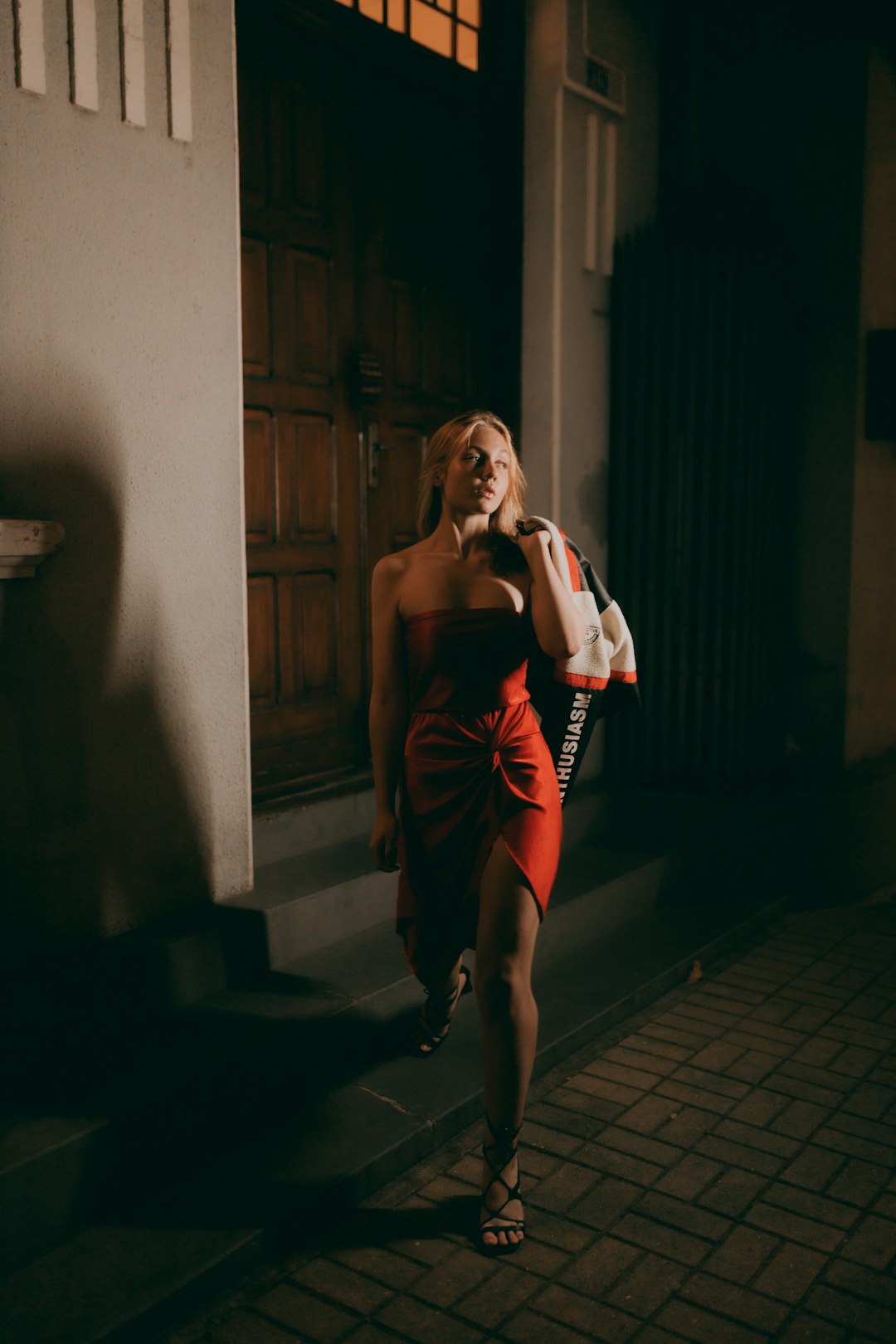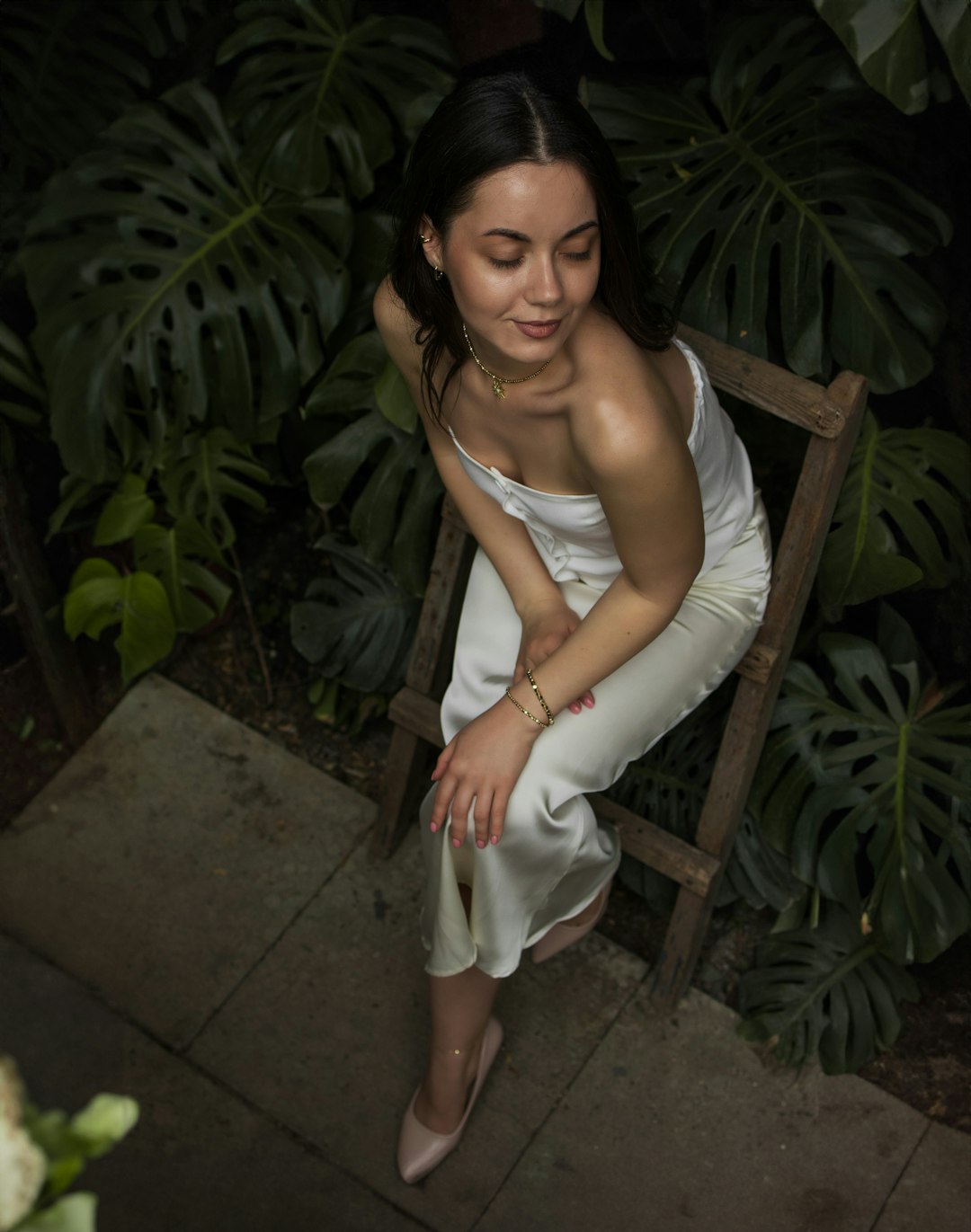
The right Latin dancewear doesn't just look good—it changes how you move. A skirt that catches the air during a turn, shoes that grip without sticking, fabric that breathes through a three-hour social: these details separate dancers who survive the night from those who own the floor.
Whether you're walking into your first salsa class or prepping for a competition, here's how to dress with intention.
1. Match Your Attire to the Occasion
Not all Latin dance events demand the same level of polish. Before you shop, know where you're going.
| Occasion | What to Prioritize | What to Avoid |
|---|---|---|
| Social practice | Functionality, durability, minimal embellishment | Fragile fabrics, sky-high heels, heavy jewelry |
| Social party | Expressive style, all-night comfort, standout details | Anything that restricts movement or requires constant adjustment |
| Competition/performance | Dramatic silhouettes, rule compliance, maximum movement visibility | Costumes that obscure your lines or violate event dress codes |
A competitor buying a $400 ballroom gown and a beginner attending a Friday night social need radically different guidance. Shop for your actual life on the dance floor.
2. Choose Fabric Like a Pro
Generic "stretchy" advice won't cut it. The best Latin dancewear relies on specific material science.
Look for:
- Nylon-spandex blends (80/20 or 90/10) for optimal recovery, moisture management, and shape retention
- Mesh or power mesh panels at high-sweat zones—underarms, back, waist—for targeted ventilation
- Four-way stretch construction that moves with your body diagonally, not just horizontally and vertically
Avoid:
- 100% cotton, which loses shape, shows sweat, and dries slowly
- Cheap polyester without wicking treatment, which traps heat and odor
- Fabrics without recovery—if a garment bags out after one wear, it will fail you mid-routine
Pro tip: Test fabric quality before buying. Stretch the material and release it. Premium dancewear springs back immediately; inferior fabric stays distorted.
3. Nail the Fit
"Not too tight, not too loose" is useless advice. Here's how to evaluate fit with precision.
Tops and leotards:
- Perform the arm raise test: lift both arms overhead. If the hem rides up to your ribs, the fit is wrong.
- For strapless or one-shoulder styles, jump once in the fitting room. If it slips, it will slip on the dance floor.
Bottoms:
- Use the two-finger test at waistbands: you should be able to slide two fingers between the band and your skin. Tighter restricts breathing; looser risks shifting during hip action.
- Latin skirts should hit mid-thigh to just above the knee. Any longer and you'll tangle with your partner's legs.
Competition vs. social fit:
- Social dancewear can have slightly more ease for comfort across hours of dancing.
- Competition wear is typically more fitted to eliminate fabric flutter that obscures your lines.
4. Footwear: Your Most Important Investment
Shoes are not an afterthought. They are equipment.
Heel height by experience level:
- Beginners: 1.5" flared or Cuban heel for stability and ankle strength development
- Intermediate/Advanced: 2.5"–3" slim flared heel for refined leg lines and improved spin technique
Sole material matters:
- Suede soles are the gold standard for Latin dance. They provide controlled glide without the dangerous slip of leather or the sticking hazard of rubber.
- Smooth hard leather is acceptable for some ballroom styles but less common in Latin.
Toe box considerations:
- Open-toe sandals dominate salsa, bachata, and cha-cha for women, allowing toe point and floor articulation.
- Closed-toe shoes work for male dancers and some traditional ballroom contexts; they protect toes during close partner work.
For men: Choose flexible shoes with a slight heel (1"–1.5") and suede sole. The shoe should bend at the ball of the foot to support Cuban motion.
5. Accessorize With Discipline
Accessories add personality—but the wrong choice can injure your partner or derail your performance.
Avoid:
- Dangling earrings: they can strike a partner's face during close turns
- Anklets with charms or loose chains: high tangling risk with skirt hems or partner's feet
- Heavy statement necklaces: they shift, catch light unpredictably, and distract from your movement
Choose instead:
- Lightweight stud or huggie earrings