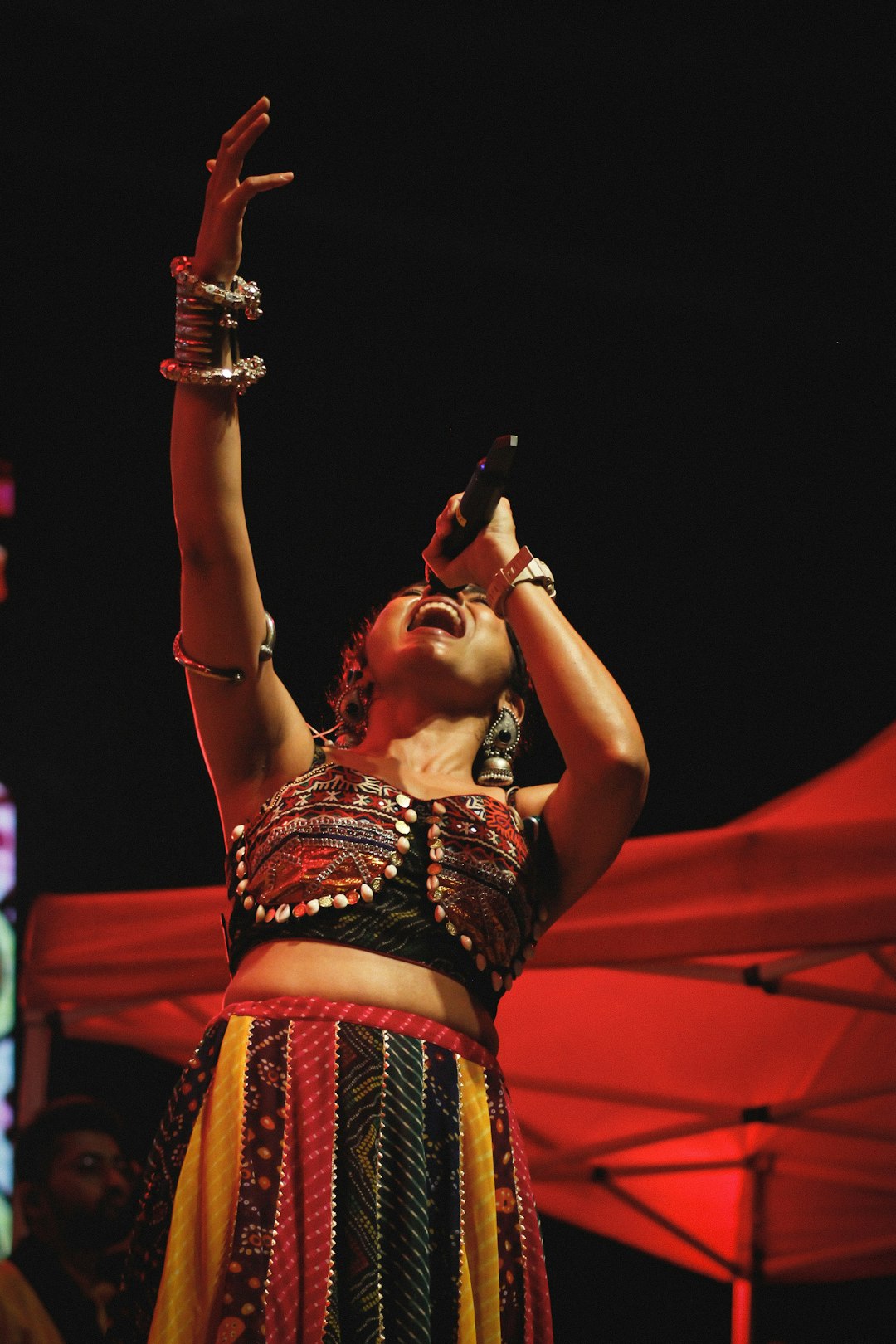
In a dim tablao in Seville, a dancer's heel strikes the floor—not as mere percussion, but as punctuation. Emphasis. Question. Exclamation. The guitarist's fingers blur across strings. A singer's voice cracks with duende, that untranslatable ache where sorrow and transcendence meet. This is flamenco: not merely performed, but surrendered to.
For centuries, this Andalusian art form has defied easy explanation. It is music, yes. Dance, certainly. Song, undoubtedly. Yet flamenco transcends these categories, demanding instead that practitioners and audiences alike submit to something raw, communal, and fiercely alive.
Roots in Resistance: A History Forged in the Margins
To understand flamenco, one must look beyond the 18th-century documentation that marks its recorded birth. The art's true genesis lies in the crucible of 1492, when the Catholic Monarchs issued the Edict of Expulsion, forcing Jewish and Muslim populations from Spain and sending the Gitano people—Romani migrants who had arrived centuries earlier—deeper into the shadows of Andalusian society.
In the caves of Sacromonte and the corralas of Triana, these marginalized communities forged something unprecedented. Moorish mawwal melded with Jewish liturgical chant. Indian rhythmic cycles from the Roma's ancestral homeland intertwined with Andalusian folk traditions. African rhythms, carried across the Mediterranean, pulsed beneath it all. What emerged was not a fusion but a transformation: an art form that spoke of displacement, persecution, and stubborn joy.
The commercial cafés cantantes of the 1860s democratized flamenco, transforming intimate gatherings into public spectacle. The 20th century brought ópera flamenca—a theatrical, sometimes diluted popularization—followed by a purist revival led by artists who understood that flamenco's power lay not in polish but in pellejo: skin, authenticity, the willingness to bleed in public.
The Triad: Cante, Toque, and Baile
Flamenco organizes itself around three inseparable elements. Yet these are not components to be assembled but forces that ignite each other, each incomplete without the others.
Cante: Where the Deepest Waters Flow
Cante is flamenco's voice and its conscience. It divides fundamentally into cante jondo—"deep song"—and cante chico—"light song." This is not merely a matter of tempo but of emotional architecture.
The soleá moves with the weight of centuries, its 12-beat compás carrying lamentations of poverty and exile. The siguiriya, perhaps flamenco's oldest form, abandons regular meter entirely, the singer riding waves of rhythm like a surfer on dangerous seas. These cantes jondos demand duende—Federico García Lorca's term for that dark, authentic spirit that rises "from the wellsprings of blood."
Against these, cante chico offers alegrías (literally "joys"), bulerías with their infectious 12-beat drive, the flirtatious guajira. Even here, joy carries shadow; flamenco knows that celebration and sorrow are never truly separate.
Toque: The Guitar as Voice
The flamenco guitar began as accompaniment, but modern tocaores have elevated it to equal partnership. Unlike classical guitar, the guitarra flamenca prizes percussive attack: rasgueado strumming that explodes like gunfire, alzapúa thumb strokes that ground the music in earth, picado runs that spiral toward transcendence.
Yet the guitar never works alone. The cajón, that Peruvian box drum adopted by flamenco in the 1970s, provides foundational pulse. More crucial still are the palmas—hand claps that construct the invisible architecture of compás. The palmero executes palmas sordas (muffled, bass-heavy claps) and palmas claras (sharp, cutting accents), often maintaining rhythmic integrity when all other instruments falter. Pitos—finger snapping—adds another layer of percussive precision.
Baile: Body as Testament
If cante speaks and toque answers, baile embodies what cannot be spoken. Flamenco dance operates through contradiction: torso held proud and still while feet execute impossible complexity; arms that flow like water against the rigidity of the back; facial expressions that shift from haughty disdain to naked vulnerability in a single phrase.
The zapateado—footwork—des