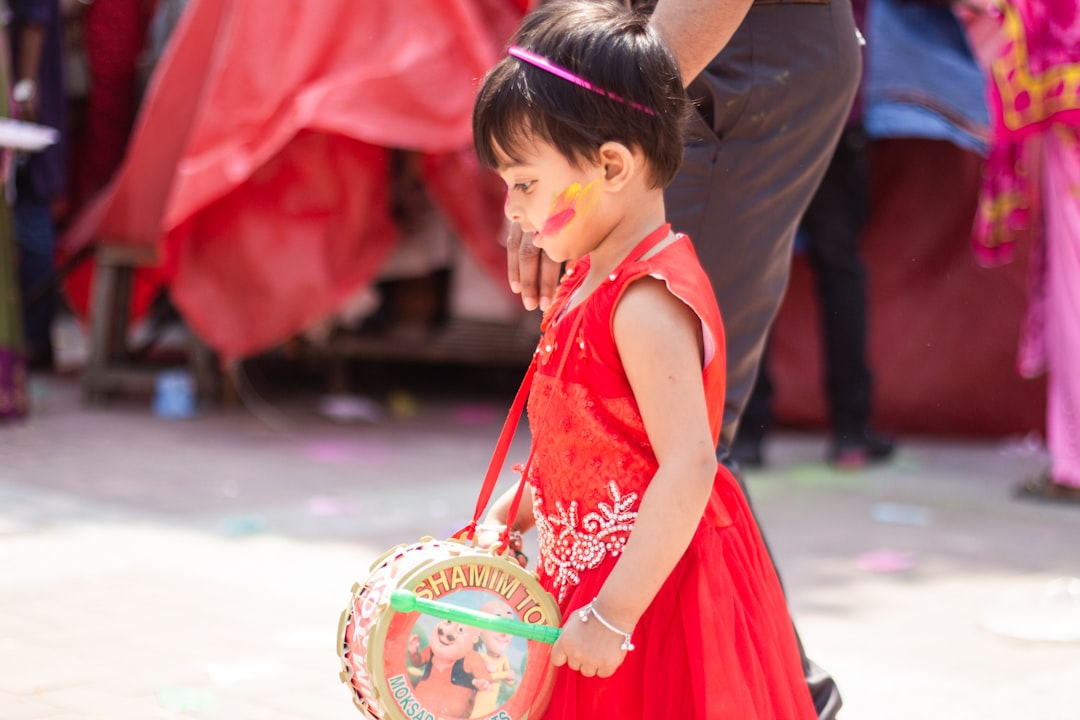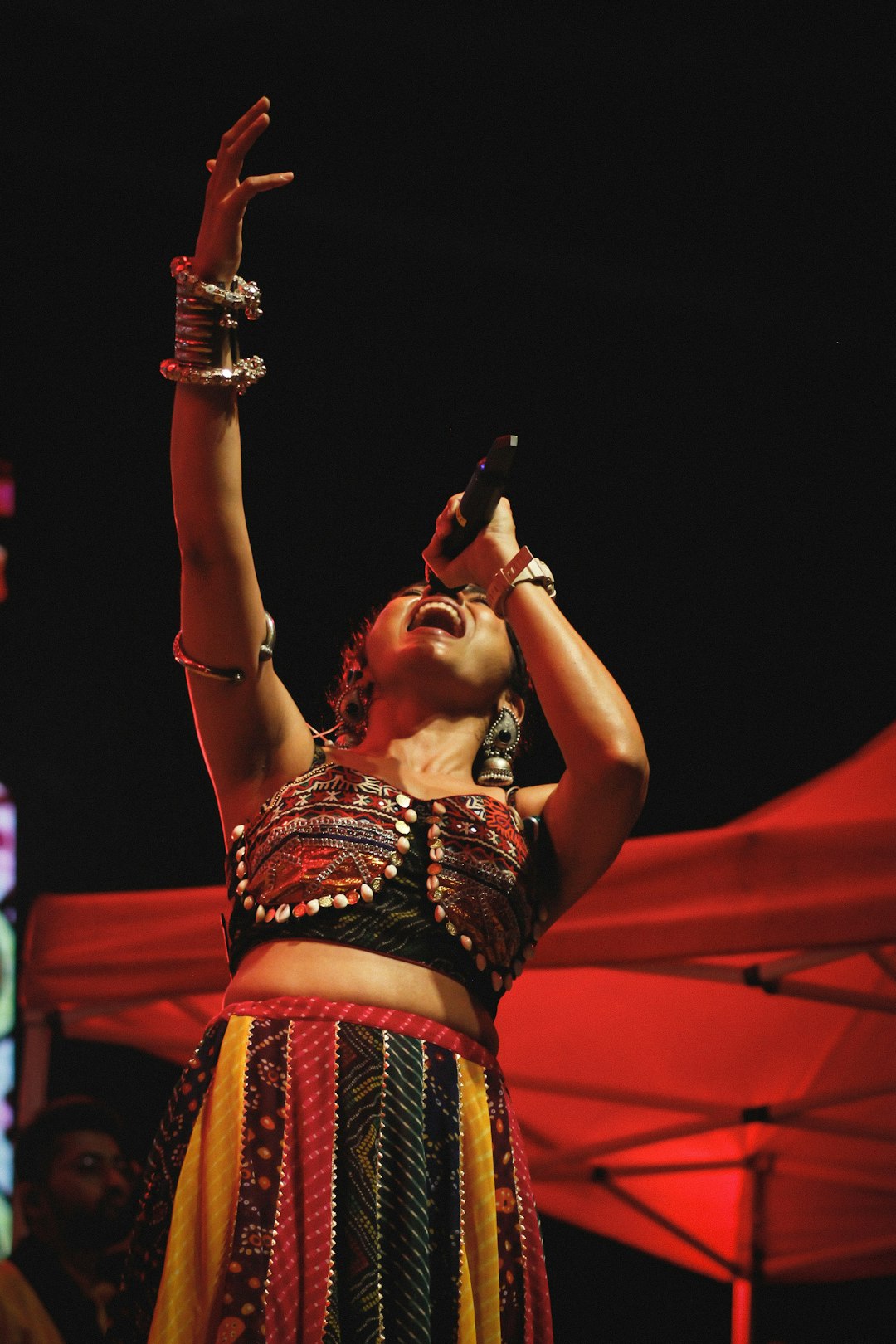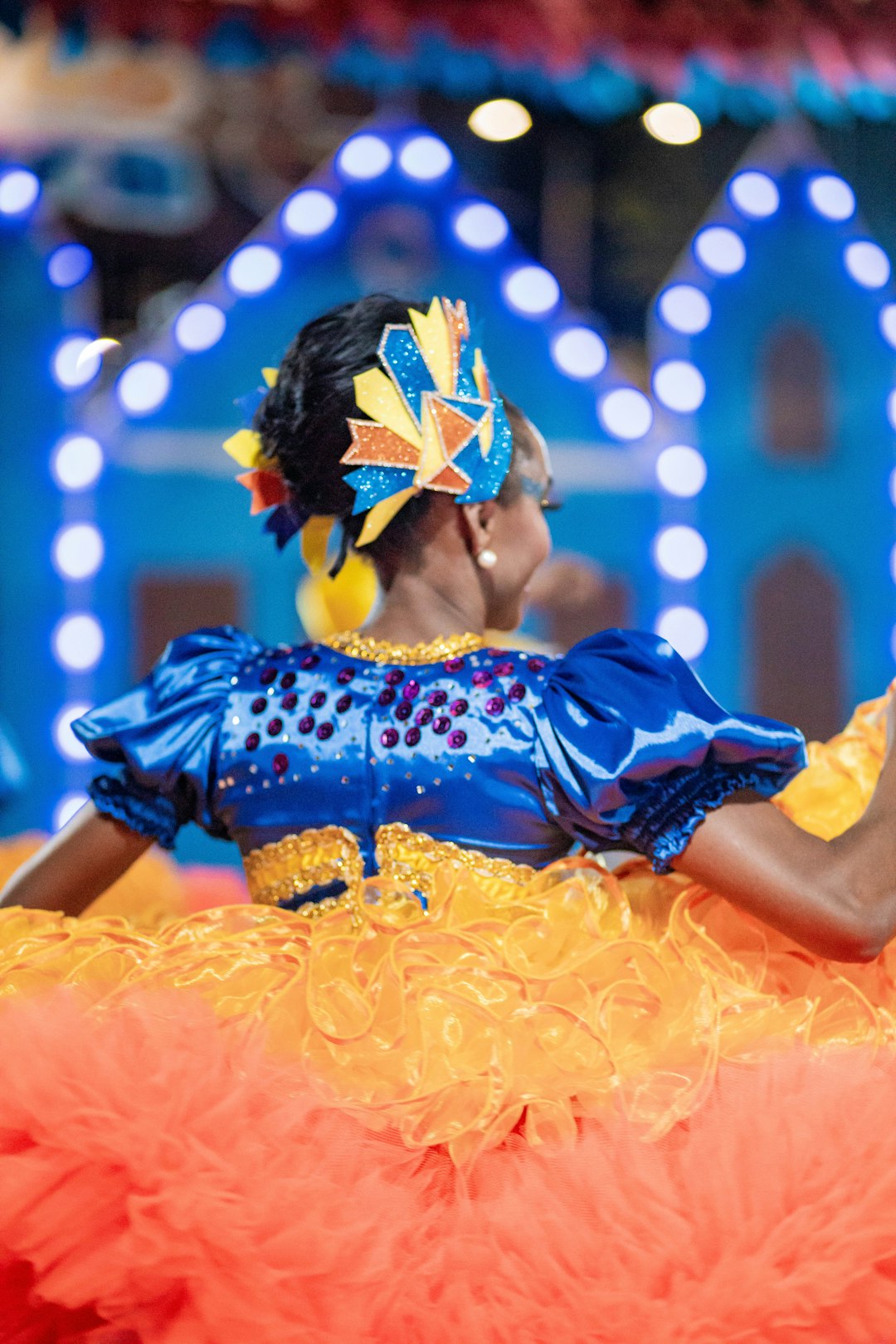
Flamenco, recognized by UNESCO as Intangible Cultural Heritage, encompasses far more than dance alone. This Andalusian art form unites cante (song), toque (guitar), and baile (dance) in a ritual of improvisation and emotional intensity. Nowhere does this convergence feel more immediate than in the tablao—a small, purpose-built venue where performers and audiences share breath, sweat, and spontaneous creation.
From Cave to Commercial Stage: A Compressed History
The tablao's lineage is often misunderstood. While Roma communities in Granada's Sacromonte caves practiced zambra celebrations for generations, the commercial tablao emerged much later. The direct ancestor is the café cantante, pioneered by Silverio Franconetti in Seville in 1882. These early venues brought flamenco from private gatherings into public commercial spaces.
The modern tablao crystallized during the 1950s and 1960s, particularly under Franco's tourism initiatives. As Spain opened to international visitors, entrepreneurs transformed traditional aesthetics into accessible spectacle. Unlike the café cantante—which featured predominantly male performers and emphasized cante—mid-century tablaos increasingly spotlighted female dancers and visual theatricality.
This evolution sparked ongoing debate. Purists argue that commercial pressure dilutes flamenco's duende—that elusive quality of soulful authenticity. Defenders counter that tablaos preserved flamenco through decades when other traditional arts disappeared.
Architecture as Acoustic Instrument
A tablao's physical design directly shapes what happens onstage. The typical configuration includes:
- Wooden floors, often untreated pine or oak, calibrated to amplify zapateado (footwork) without electronic enhancement
- Intimate dimensions, usually seating 50–150 spectators within three meters of performers
- Minimal stage depth, forcing dancers to master spatial economy—particularly when manipulating the bata de cola (long-trained dress)
At Madrid's Corral de la Morería (established 1956), the original floorboards remain, their worn grain recording decades of rhythmic impact. Barcelona's El Cordobés incorporates sherry barrels and rough-hewn beams to evoke Andalusian bodega atmosphere. These aren't mere decorative choices; they construct what performers call ambiente—the charged environment where improvisation thrives.
The Cuadro Flamenco: Anatomy of Performance
A tablao evening typically features a cuadro (ensemble) of three to five artists: guitarist, singer, and one or two dancers. Unlike theater espectáculos with fixed choreography, tablao performance operates through sophisticated real-time communication.
The dancer initiates through llamada (a rhythmic call), signaling the desired palo (song form)—perhaps the solemn siguiriya or the festive alegrías. The guitarist responds with characteristic chords; the singer enters with appropriate letra (verse). Throughout, performers exchange mirada (meaningful glances) and rhythmic cues, adjusting tempo and intensity based on audience response.
This improvisation demands extraordinary technical preparation. Dancers must command dozens of palos, each with distinct rhythmic structures (compás). A bulería requires 12-beat cycles with accent displacement; tangos operates in 4/4 with regional variations. The tablao becomes a laboratory where artists test boundaries within traditional frameworks.
Training Ground and Professional Crucible
Contemporary flamenco education flows through multiple channels: conservatories like Seville's Fundación Cristina Heeren, community peñas flamencas, and family transmission. Yet the tablao remains irreplaceable for professional development.
Emerging artists serve apprenticeships as apagados—literally "extinguished" performers who support established stars through rhythmic handclapping (palmas) and vocal response. This mentorship system, however commercialized, preserves embodied knowledge unavailable in formal instruction. A young dancer learns to read room temperature, to modulate energy when the front row leans forward or withdraws.
Established artists, conversely, use tablaos to experiment. Blanca del Rey pioneered bata de cola technique in Madrid's confined spaces during the 1960s, developing precise spatial calculation impossible in large theaters. Contemporary innovators like Rocío Molina return to tablaos between festival commissions, testing material in unforgiving proximity.
Tensions and Transformations
Today's tablaos navigate complex pressures. Tourism dependency creates economic vulnerability—evident when pandemic closures devastated venues across Spain. Meanwhile, artists negotiate between "authenticity" marketing and creative evolution.
Gender dynamics have shifted dramatically. Where cafés cantantes featured male *