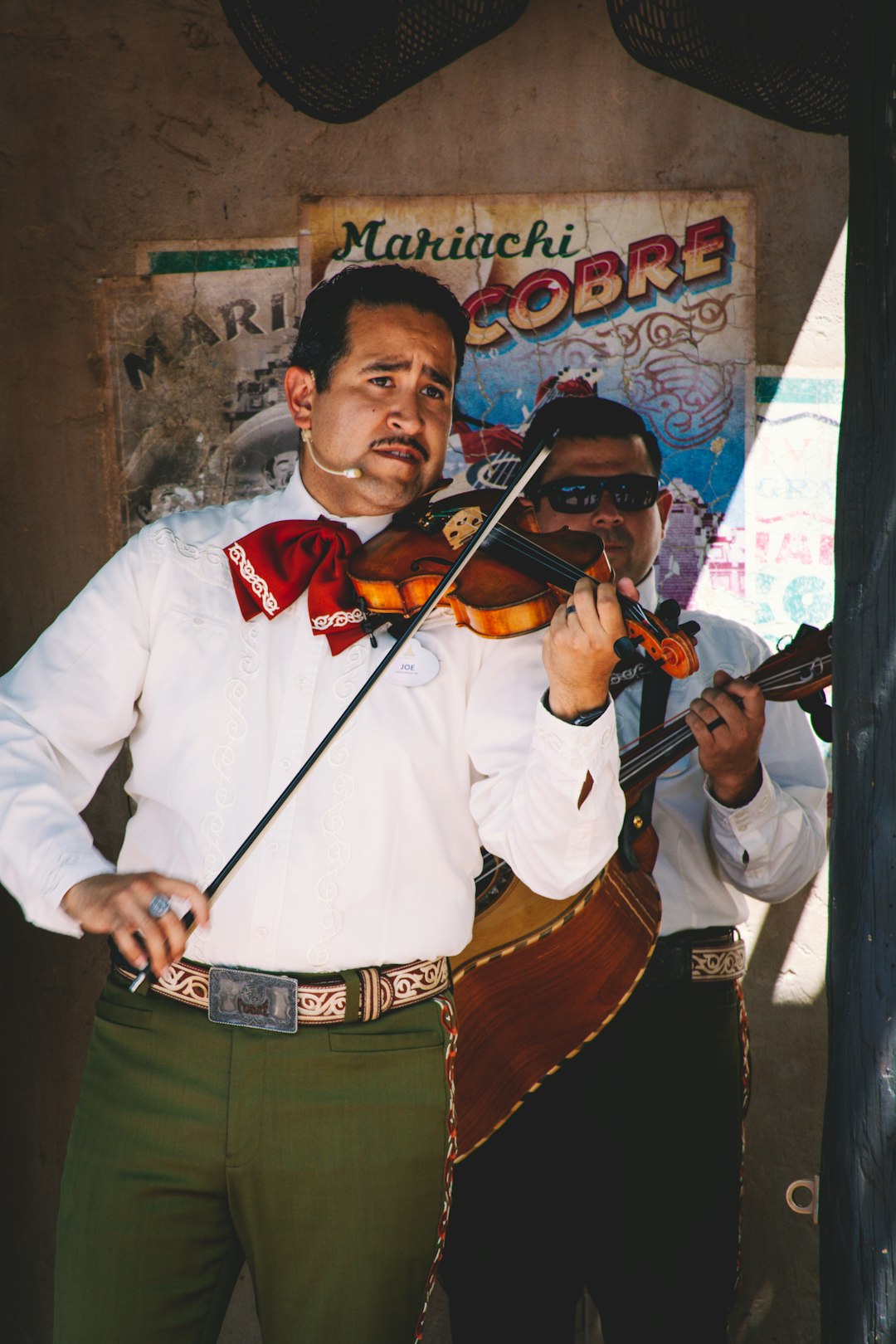
Folk dance is a beautiful and expressive art form passed down through generations, serving as living cultural heritage that develops rhythmic precision, community connection, and kinesthetic cultural knowledge. Whether you're performing at a formal celebration, practicing in a studio, or joining a social dance gathering, your attire affects movement quality, audience connection, and your own embodiment of the dance's character. This guide will help you navigate the spectrum from ceremonial traditional wear to contemporary adaptations.
Traditional Attire: Understanding Cultural Roots
Traditional folk dance attire carries deep cultural significance, with designs developed over generations for specific movement patterns. These garments were never merely decorative—they were engineered for the dances themselves.
Irish step dance features elaborately embroidered dresses for women and kilts with jackets for men, each school's unique colors identifying dancers' affiliations. The stiffened skirts and precise construction enable the characteristic upright posture and rapid footwork.
Mexican folklórico showcases remarkable regional diversity: Jalisco's wide-skirted escaramuza dresses enable dramatic skirt work, while Veracruz's white lace huipil reflects Caribbean influences. The china poblana ensemble with its sequined blouse and flowing skirt differs entirely from the indigenous-influenced attire of Guerrero or Oaxaca.
Research your specific dance's regional origins carefully, as even neighboring areas may have distinct costume traditions. Authentic traditional wear connects you to generations of dancers and signals respect for the culture you're representing.
Modern Attire: Practical Adaptations
Contemporary folk dance practice has generated practical adaptations that honor tradition while accommodating modern performance contexts. These aren't replacements for traditional wear but rather solutions for specific situations.
Competition Irish dancers often wear simplified dresses with synthetic fabrics for durability, or practice wear consisting of black leggings with school-branded tops. The visual connection to school colors maintains identity without the full ceremonial construction.
Social folk dance groups may incorporate traditional color palettes or accessory motifs into streetwear-appropriate outfits—think embroidered blouses with jeans, or scarves bearing regional patterns paired with comfortable skirts.
The key distinction: modern attire maintains visual connection to cultural roots while prioritizing personal comfort, quick changes, or repeated washing—considerations less relevant to ceremonial traditional wear.
The Authenticity Spectrum: Matching Attire to Context
Not every situation calls for full traditional dress. Consider where your performance falls on this spectrum:
| Context | Appropriate Attire Approach |
|---|---|
| Ceremonial/religious events | Full traditional costume, ideally handmade by cultural artisans; consult community elders |
| Staged folk dance performance | Traditional or high-quality reproduction; attention to regional accuracy |
| Competition | Simplified traditional with performance-optimized construction |
| Social dance practice | Modern adaptations with traditional color/motif elements |
| Fusion or exercise classes | Athletic wear with cultural accessories; focus on movement accessibility |
Footwear Fundamentals
Footwear is often dance-specific and crucial for both performance quality and injury prevention:
- Irish dance: Hard shoes with fiberglass tips for percussive rhythms; soft ghillies or reel shoes for graceful slip jigs and reels
- Balkan dance: Opanci (leather moccasins) or low-heeled character shoes; avoid rubber soles that grip too strongly
- Spanish flamenco: Heeled shoes with nails in the sole and heel for amplified footwork
- Hungarian csárdás: Structured boots that support the dance's characteristic spinning
- Contemporary Balkan social dancing: Permits flowing skirts with athletic footwear for extended sessions
Never underestimate footwear's impact—incorrect shoes can damage floors, limit technique, or cause injury.
Key Factors for Any Occasion
Movement Requirements
Different dances demand specific garment engineering. Hungarian csárdás requires substantial skirts that enable dramatic spinning, while Irish dance demands non-restrictive bodices that allow arm positioning. Observe experienced dancers in your tradition and note how fabric weight, skirt circumference, and seam placement serve the choreography.
Comfort and Mobility
Prioritize fabrics and cuts that accommodate your full range of motion. This might mean:
- Stretch panels in practice wear
- Secure waistbands that stay put during spins
- Breathable natural fibers for outdoor summer performances
- Layering options for temperature-controlled venues
Respectful Adaptation
If you lack cultural heritage in the dance you're learning, approach attire thoughtfully:
- Learn from community members rather than making independent interpretations
- Avoid sacred or ceremonial elements reserved for initiated members
- Support originating artisans when purchasing traditional pieces
- Credit your teachers and sources when performing
Budget and Sourcing
| Tier | Options | Best For |
|---|---|---|
| Investment | Handmade traditional costumes from cultural artisans | Serious performers; ceremonial occasions |
| Mid-range |