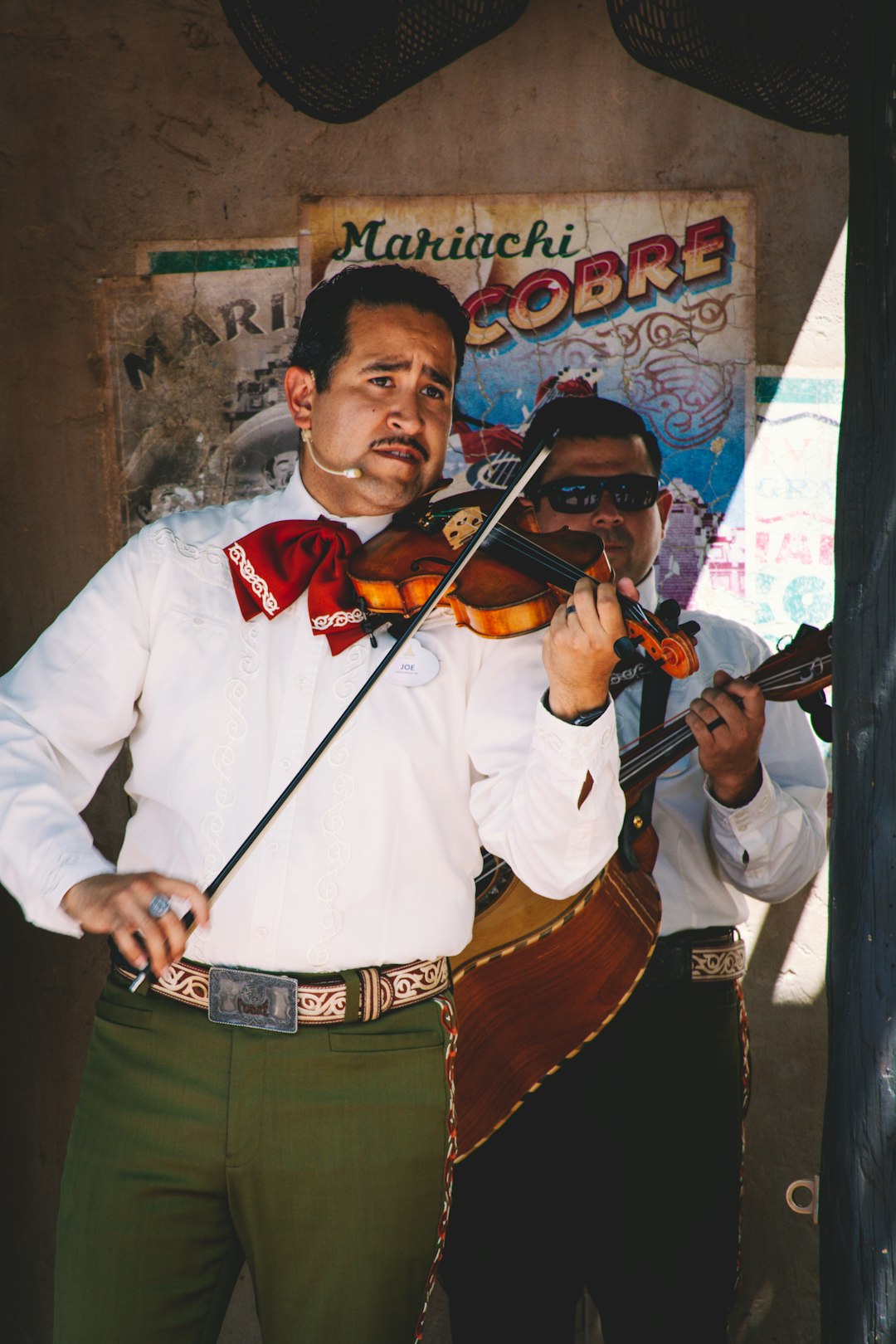
Folk dance demands more from your wardrobe than most performance arts. Your clothing must honor centuries of tradition, withstand vigorous movement, and connect you to a living cultural practice. Whether you're stepping into your first Balkan kolo or preparing for a Scottish ceilidh competition, the right attire transforms your experience from awkward imitation to genuine participation.
This guide moves beyond generic advice to address what folk dancers actually need: specific fabric choices, regional distinctions, ethical sourcing, and the practical details that prevent wardrobe disasters mid-performance.
Start With Research and Respect
Before purchasing anything, understand what you're wearing and why. Folk dance costumes (kostyumi, narodna nosiya, tracht) carry cultural memory. They signal regional identity, social status, historical period, and even marital status.
Actionable steps:
- Ask your instructor or community elders about appropriate attire for specific dances
- Study museum collections and ethnographic photographs from your dance's region of origin
- Distinguish between everyday work clothing, festive dress, and stage costumes—each serves different purposes
Critical consideration: If you're dancing a tradition outside your own heritage, approach with humility. Some communities welcome respectful participation; others restrict certain garments to insiders. Never assume. Ask directly: "Is it appropriate for me to wear the full traditional costume, or should I adapt certain elements?"
Build Your Foundation: Footwear and Base Layers
Footwear determines your safety and sound quality more than any other element. Folk dance often involves precise footwork, percussive stamping, and rapid direction changes on unpredictable surfaces.
Regional Footwear Guide
| Dance Tradition | Traditional Shoe | Modern Alternative | Breaking-In Period |
|---|---|---|---|
| Balkan (Serbian, Bulgarian, Macedonian) | Opanci (leather with curled toe) | Leather jazz shoes or Toms-style slip-ons | 2-3 weeks of regular wear |
| Irish | Ghillies (soft leather lace-ups) | Capezio or Fays ghillies | 1-2 weeks; soften with leather conditioner |
| Scottish | Ghillie brogues (hard leather with laces) | Pumps or ballet slippers for practice | Immediate (practice shoes) |
| Scandinavian | Wooden clogs or leather boots | Jazz sneakers with low profile | Varies by construction |
Universal rule: Never perform in brand-new shoes. Blisters destroy timing and enjoyment. Break in footwear through practice sessions, not dress rehearsals.
Base Layers for Function
Temperature swings between waiting areas and active dancing demand strategic layering:
- Moisture-wicking undergarments: Merino wool or bamboo blends manage sweat without synthetic odor retention
- Modesty shorts or briefs: Essential under full skirts for high kicks, lifts, or outdoor performances
- Compression options: For dances with extended jumping (Ukrainian hopak, Polish oberek), light compression shorts reduce muscle fatigue
Select Traditional Elements by Region
Generic "folk" costumes from costume shops often mash incompatible elements. Authenticity requires specificity.
Eastern European and Balkan Traditions
Women's core pieces:
- Sukman or fusta (fitted bodice with full skirt), typically wool or heavy cotton
- Bena (apron) with regional embroidery patterns—Kalocsa (Hungary) features floral motifs; Macedonian pirpiri uses dense geometric blackwork
- Koshulya (blouse) with distinctive sleeve construction: gathered (sbirana) for Bulgaria, embroidered cuffs for Croatia
Men's core pieces:
- Poturi (full trousers) in white wool or heavy linen, often with black braiding
- Elek (vest) in felted wool with silver buttons or embroidery
- Pojas (wide woven sash) in region-specific patterns
Fabric specifics: Seek abbo wool (Bulgaria), kashmir embroidery thread (Macedonia), or hand-woven licil cloth (Romania). These breathe better and drape more authentically than polyester substitutes.
Celtic Traditions
Irish step dance:
- Siúcra dresses (competition) feature stiffened skirts with Celtic knot embroidery and Swarovski crystals
- Practice wear: simple A-line skirts to knee length, allowing the characteristic straight back and still arms
Scottish Highland:
- Aboyne dress (women) or kilt with sporran (men)
- Ghillie brogues laced to mid-calf
- Kilt hose with sgian dubh (decorative knife, often ceremonial only in modern settings)
South Asian Folk Dance
**Bhangra (Punjab