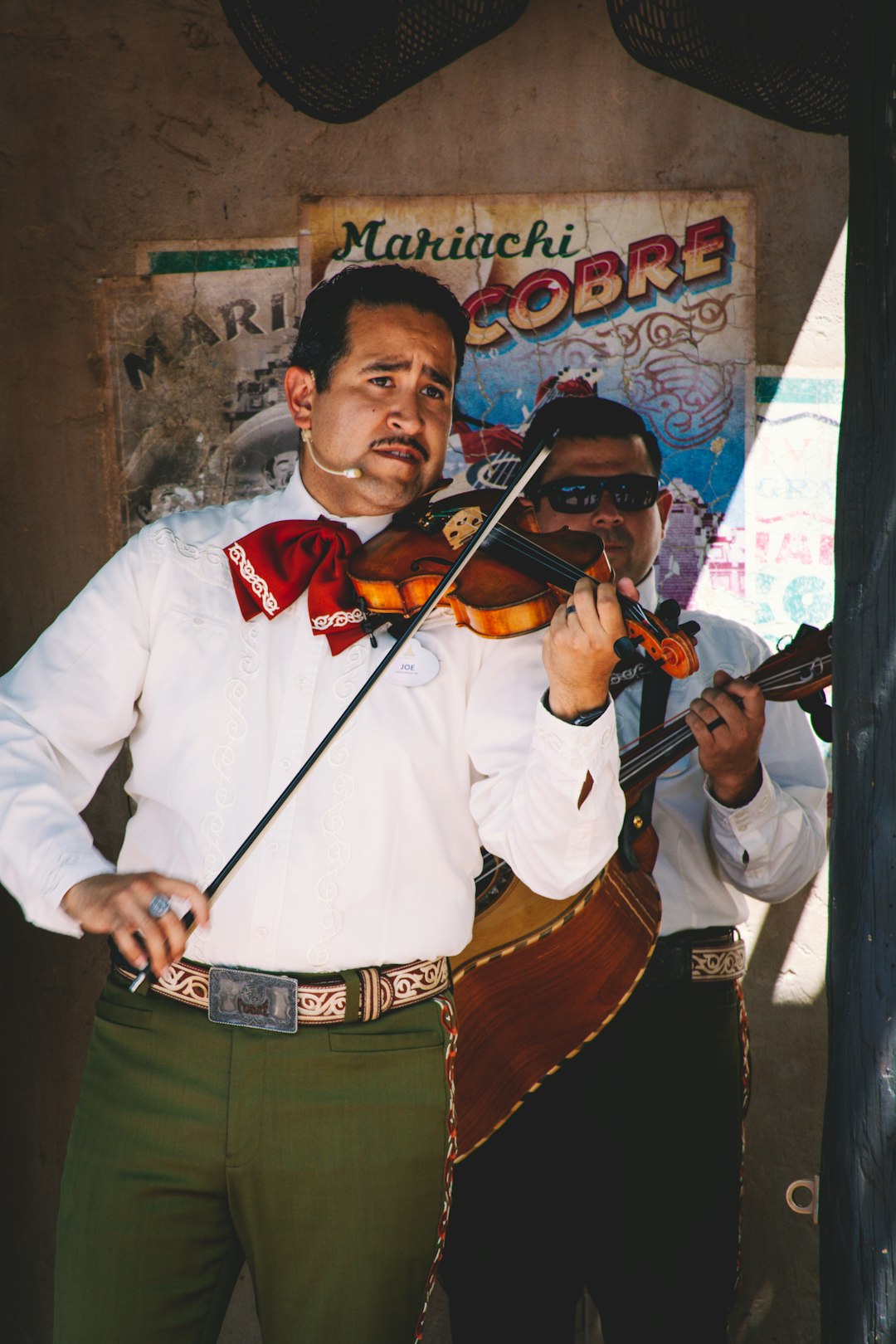
The caller's voice cuts through the chatter. "Circle left!" Twenty strangers join hands and surge into motion, their feet finding the downbeat in a tune played on fiddle and accordion. No one cares that you walked in alone, that you've never heard this melody before, or that you just stepped on your partner's toe. By the end of the evening, you'll know half the room by name.
This is folk dance at its best: social, musical, and rooted in tradition. If you're curious about starting, here's how to move from the sidelines into the circle with confidence and respect.
What Folk Dance Actually Is
Folk dance refers to traditional dances passed down within communities, typically through oral transmission and social participation rather than formal stage training. These dances reflect daily life, seasonal rituals, courtship, and celebration. Unlike competitive or concert dance forms, folk dance prioritizes participation over performance. The expert dancer and the enthusiastic beginner often share the same floor.
Examples span every continent:
- Bulgarian horo: Line dances in asymmetric meters like 7/8 or 9/8, where the group moves as one interconnected chain
- American contra dance: A called New England tradition where couples progress up and down the hall, dancing with every pair in the line
- Garba: A Gujarati circle dance performed during Navratri, characterized by rhythmic clapping and spiraling patterns
- Hambo: A Swedish couple dance with a signature slow turning pattern and precise 3/4 pulse
- Cuban rueda de casino: Salsa danced in a circle with synchronized partner changes called on the fly
Each tradition carries its own movement vocabulary, social etiquette, and cultural context. Choosing one is less about finding the "easiest" style and more about finding the music and community that pull you back week after week.
Why Start Folk Dancing?
The benefits are concrete and immediate:
- Physical: Sustained moderate cardio, improved balance, and spatial awareness without the repetitive isolation of gym workouts
- Social: Structured partner rotation and group formations make introductions automatic; loneliness doesn't survive a good contra dance
- Musical: You'll internalize rhythm, phrasing, and regional instrumentation by moving to live or traditional recorded music
- Cultural: Direct engagement with living traditions, often led by culture-bearers who can explain the dance's origins and significance
Most importantly, the barrier to entry is genuinely low. You don't need prior training, a partner, or special equipment. You do need curiosity and a willingness to be slightly confused for your first twenty minutes.
Getting Started: Your First Six Months
1. Choose a Tradition That Fits Your Life
Start with logistics. Do you prefer live music or recorded? Partner dances or group formations? Local weekly events or structured classes? Search for terms like "contra dance [your city]," "Balkan folk dance group," or "Garba classes near me." YouTube and Spotify are useful research tools—listen to Bulgarian kopanitsa, Cape Breton step dance, or Andean huayno and notice which rhythms make you want to move.
2. Find Authentic Instruction
Quality instruction matters, especially for traditions outside your own heritage. Look for:
- Teachers who are culture-bearers or have trained directly with them
- Community organizations (ethnic cultural centers, folk arts councils, dance societies) rather than generic fitness studios
- Live events with teaching components, such as pre-dance beginner lessons at contra or Balkan dance evenings
Red flags: Instructors who treat sacred dances as entertainment, who wear costumes from traditions they don't belong to, or who cannot explain a dance's cultural context.
3. Know What to Bring
- Footwear: Low-heeled, comfortable shoes with minimal tread. Many dancers prefer leather-soled shoes for smooth turning on wooden floors. Avoid rubber-soled sneakers that grip too aggressively.
- Clothing: Breathable layers. Folk dance venues range from overheated church basements to drafty community halls.
- Water bottle and small towel: Especially for high-energy traditions like Bhangra or Cape Breton square sets.
- An open attitude: You will mess up. Everyone does. The expectation is that you recover and keep moving.
4. Understand the Learning Curve
Folk dance instruction falls into two broad categories:
| Called dances | Choreographed/set dances |
|---|---|
| A caller teaches figures verbally during the dance itself | Dancers learn a specific sequence beforehand |
| Examples: contra, English country dance, some square dance traditions | Examples: Bulgarian horo, Scottish country dance, Irish set dance |
| Beginner-friendly; you can participate fully on night one | Steeper initial learning curve; rewards memorization and repetition |
In called traditions